PRESET
Amateur Radio Information
MORE INFORMATION IS COMING SOON!
These permanent web addresses will be documented and sent to the Radio Amateurs of Canada (RAC), the Innovation Science and Economic Development Canada (ISED), the International Amateur Radio Union (IARU), and the International Telecommunication Union (ITU).
AMATEUR RADIO LICENSING
MIST and the PRESET mission share a key goal: the training of skilled amateur radio operators. MIST operates using Radio Amateur Canada's VA3MCM and VE3NEU club call signs, generously sponsored by team members. Through hands-on training, students master radio operations within national and international regulations, including spacecraft control from Earth stations. Becoming an operator entails passing an exam administered by an accredited examiner, leading to an amateur radio certificate with Basic, Basic with Honours, or Advanced credentials. As of April 2024, PRESET has 9 members with their Amateur Radio Certification.
TELEMETRY
MIST's telemetry efforts for the NEUDOSE and PRESET missions are powered by SatNOGS, a vital resource in the amateur radio community. SatNOGS features a global network of satellite ground stations, a machine-readable crowdsourced satellite information database, and comprehensive documentation for ground station setup and integration. PRESET uses SatNOGS' flexible and scalable platform for satellite communication. With a strong emphasis on Low Earth Orbit (LEO) satellites and support for VHF and UHF bands, SatNOGS enables us to collect telemetry data and other crucial information from our satellite. The modular design and networked architecture of SatNOGS allow for remote access and adaptable station configurations, allowing for ideal integration into our telemetry operations. This aligns with MIST's commitment to open-source practices and collaborative initiatives within the amateur radio community.
Check out:
NEUDOSE SatNOGS, located here.
One of our first correctly detected packets from the NEUDOSE mission, located here.
SatNOGS Dashboard, located here.
More links will follow as PRESET progresses!
PACKET STRUCTURE
The packet structure for PRESET telemetry includes fields such as dest_callsign, src_callsign, ctl, pid, unix_timestamp, and various status indicators for components like EPS, CDH, comms, and antennas. These fields are similar to those found in the decoder field on the SatNOGS database for NEUDOSE, located here. The decoder field lists information about the packet structure used by PRESET for telemetry transmission and reception. Additionally, there are more details on the SatNOGS webpage about NEUDOSE, including its transmit/receive bands.
RADIO PARAMETERS
Uplink (Earth to PRESET):
Function: Telecommand
Band: 2 m Very-High Frequency (VHF) Amateur Radio Band (144 — 146 MHz)
Carrier Frequency: TBD MHz, Bandwidth: 20 kHz
Emission Designator: 20K0F1DCN
Demodulation Method: Non-Coherent FSK
Forward Error Correction Coding: Conv. R = 3/4, K = 7 & R.S.
Receiver Noise Temperature (Estimate): 998.9 Kelvin
Uplink Backup (Earth to PRESET):
Function: Telecommand
Band: 70 cm Ultra-High Frequency (VHF) Amateur Radio Band (435 — 438 MHz)
Carrier Frequency: TBD MHz, Bandwidth: 25 kHz
Emission Designator: 25K0F1DCN
Demodulation Method: Non-Coherent FSK
Forward Error Correction Coding: Conv. R = 3/4, K = 7 & R.S.
Receiver Noise Temperature (Estimate): 297.5 Kelvin
Downlink - Telemetry (PRESET to Earth):
Function: Beacon, Telemetry, and Scientific Data Transmission
Band: 70 cm Ultra-High Frequency (UHF) Amateur Radio Band (435 — 438 MHz)
Baud Rate: 9600 BPS
Beacon Frequency: Once per minute
Beacon Structure: AX.25 Packet
Carrier Frequency: TBD MHz, Bandwidth: 25 kHz
Emission Designator: 25K0F1DCN
Demodulation Method: Non-Coherent FSK
Forward Error Correction Coding: Conv. R = 3/4, K = 7 & R.S.
EIRP: 31.4 dBm
Downlink - Morse Beacon (PRESET to Earth):
Function: Beacon
Band: 70 cm Ultra-High Frequency (UHF) Amateur Radio Band (435 — 438 MHz)
Baud Rate: 15 WPM
Beacon Frequency: Once per 3 minutes
Beacon Structure: Morse Code
Carrier Frequency: TBD MHz, Bandwidth: 400 Hz
Emission Designator: 400HA1A
EIRP: 31.4 dBm
Link Budgets:
VHF (145 MHz): Click Here*
UHF (435 MHZ): Click Here*
Morse Code: Click Here*
Decoder Fields: To be added to the PRESET SATNogs Database when prepared.
*The link budgets were developed from Jan King’s template, AMSAT-IARU_Link_Model_Rev2.5.5.xls, located on the AMSAT UK webpage
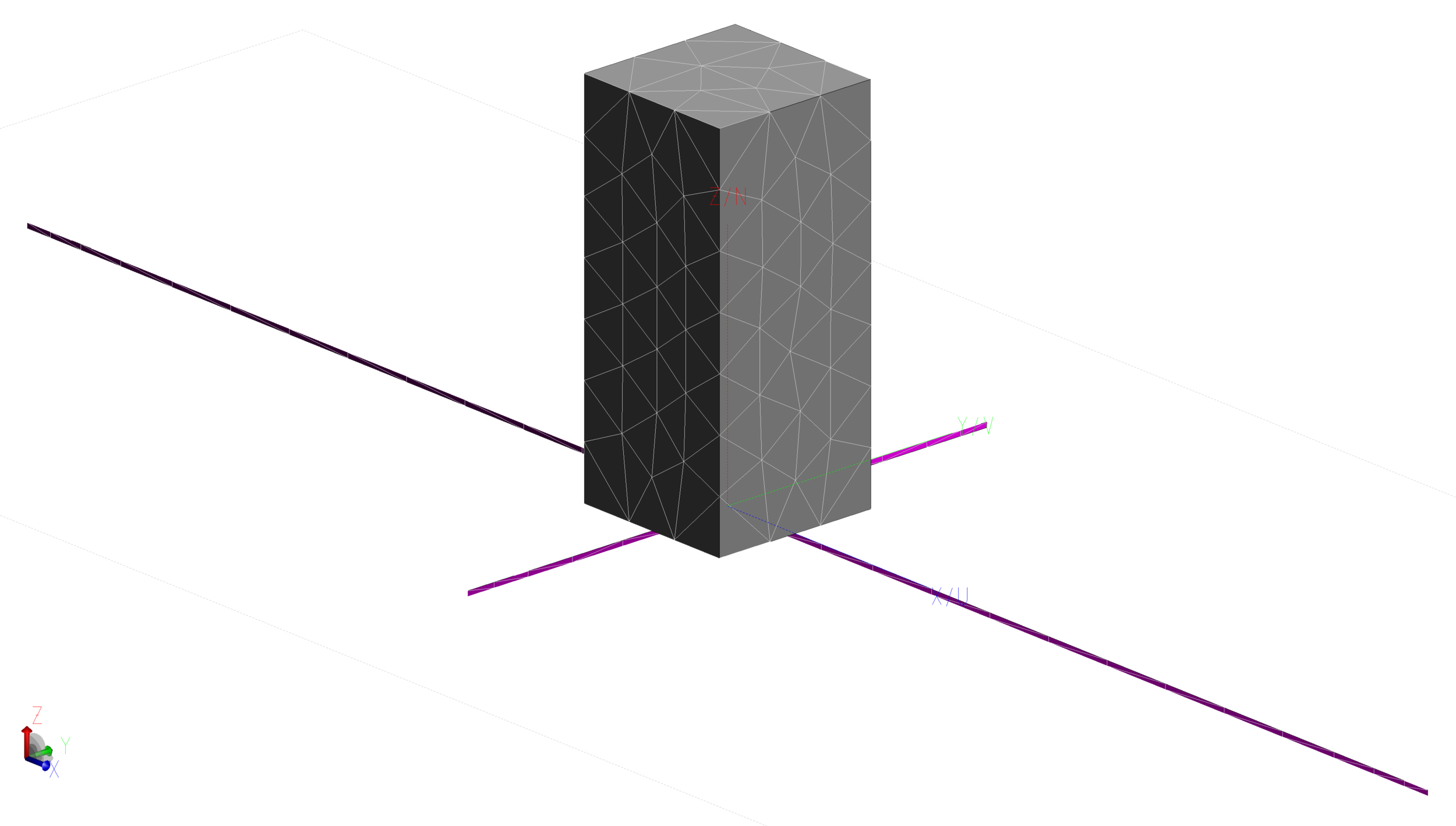
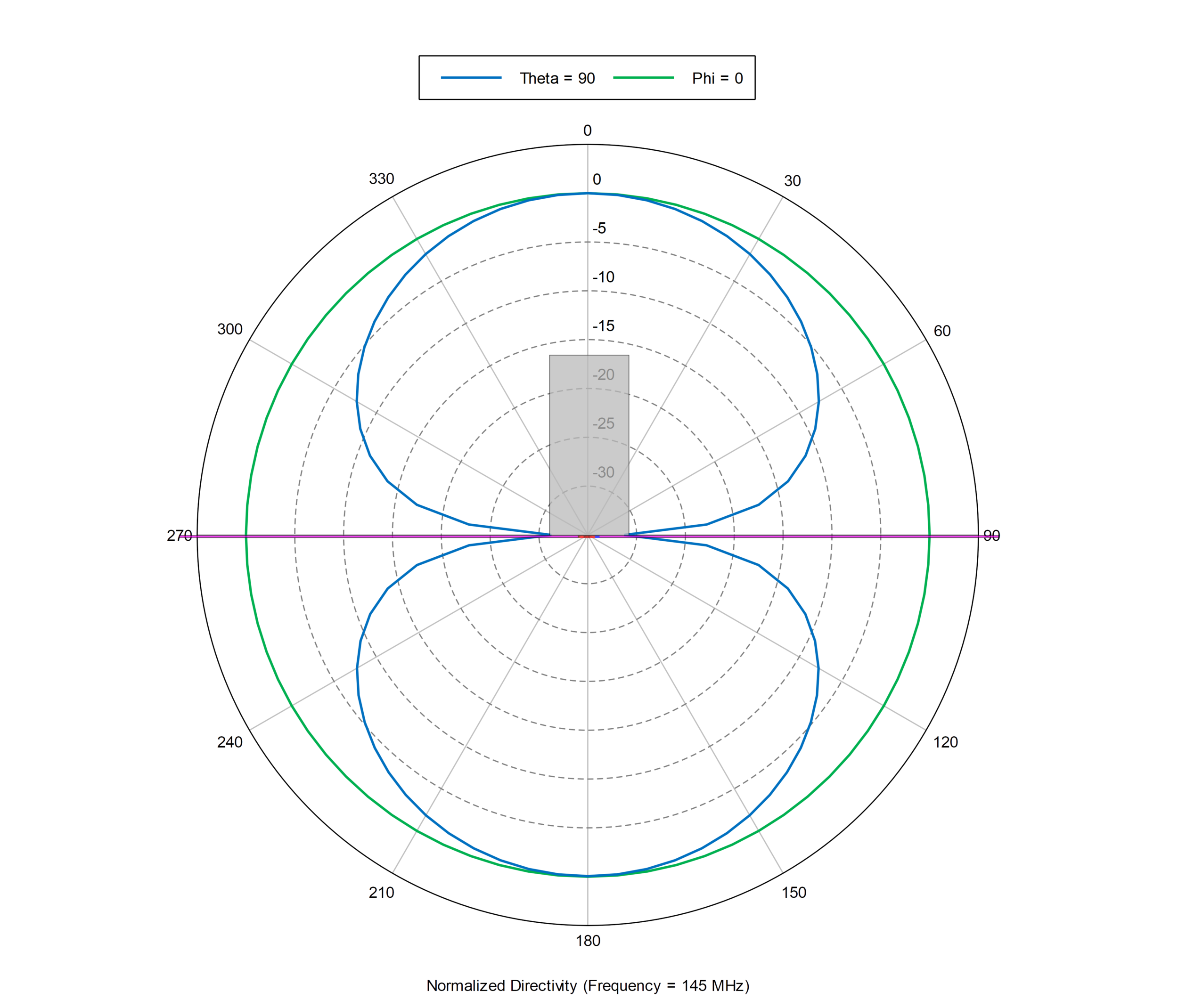
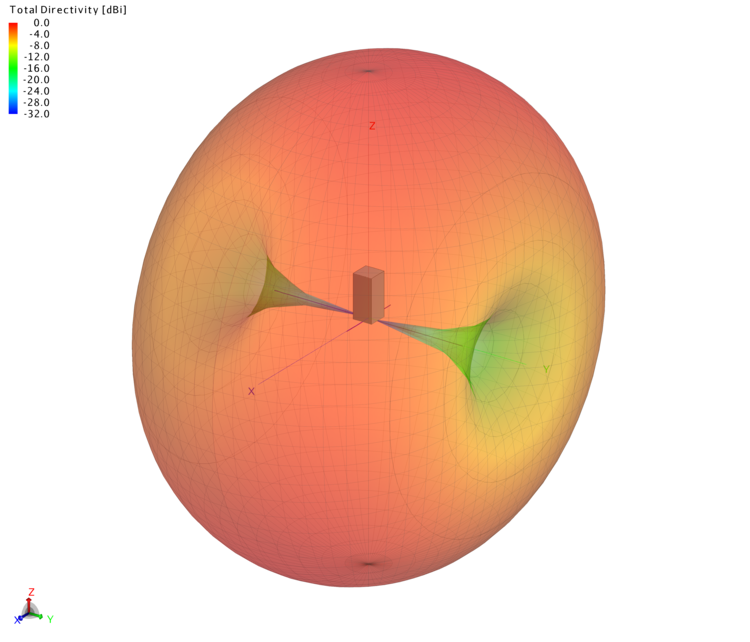
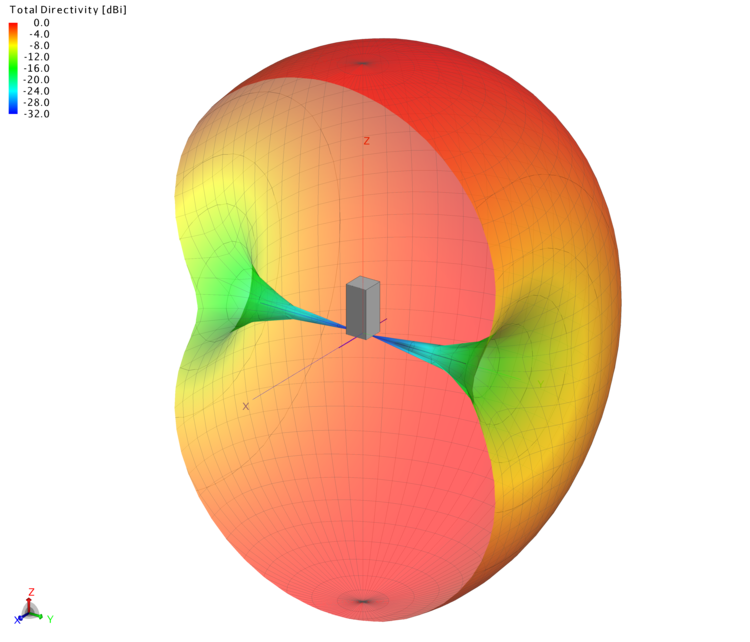
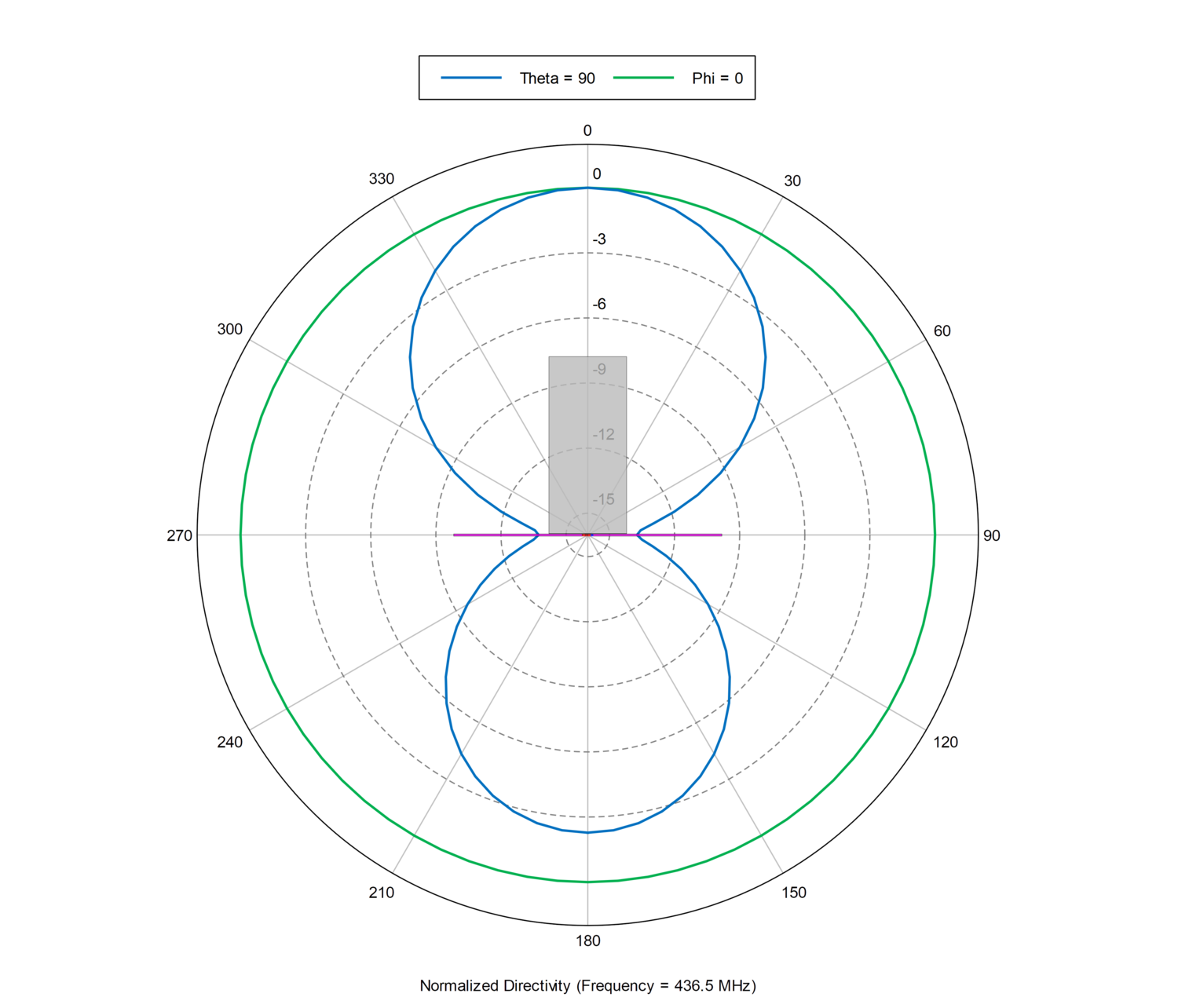
3D NEUDOSE CubeSat model for radiation pattern simulations
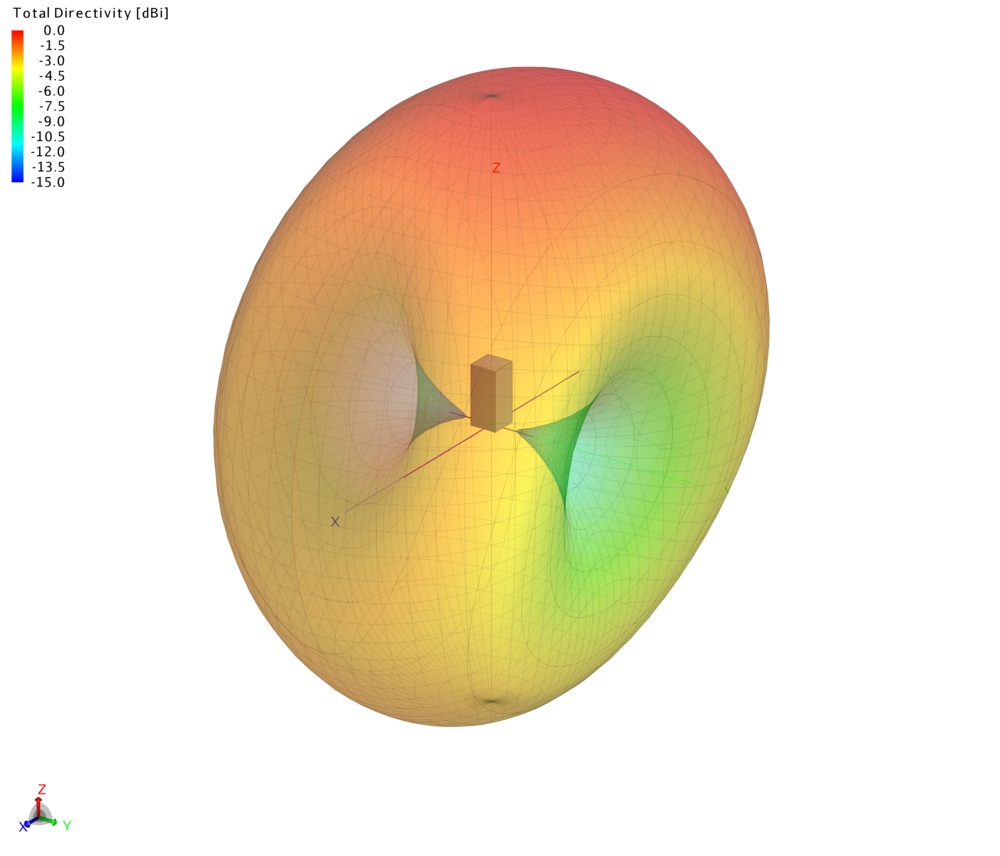
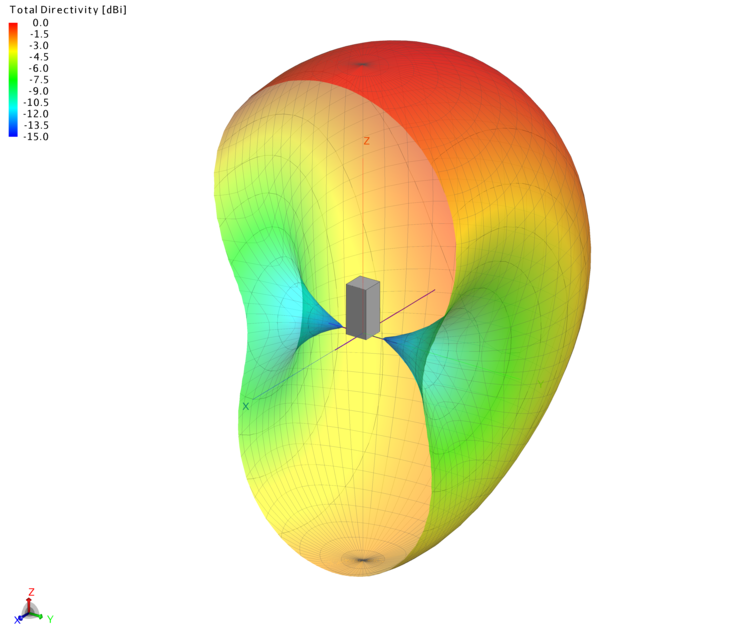
Radiation Patterns:
Uplink: Very High Frequency (VHF) - Top Row
Downlink/Emergency Uplink: Ultra High Frequency (UHF) - Bottom Row