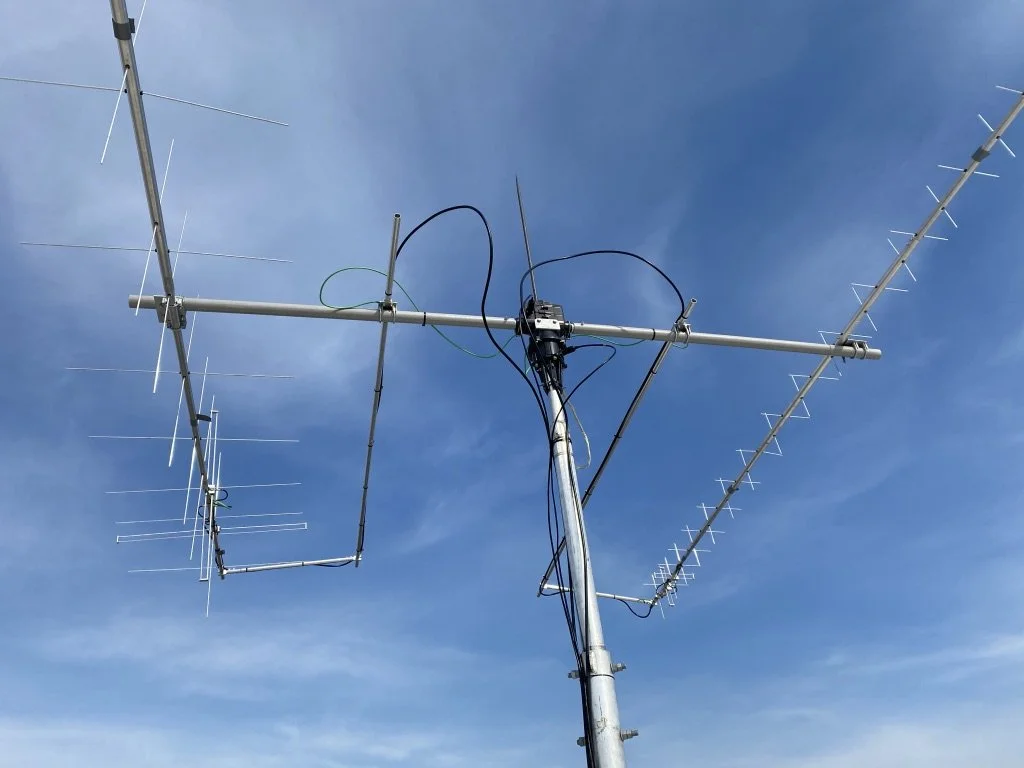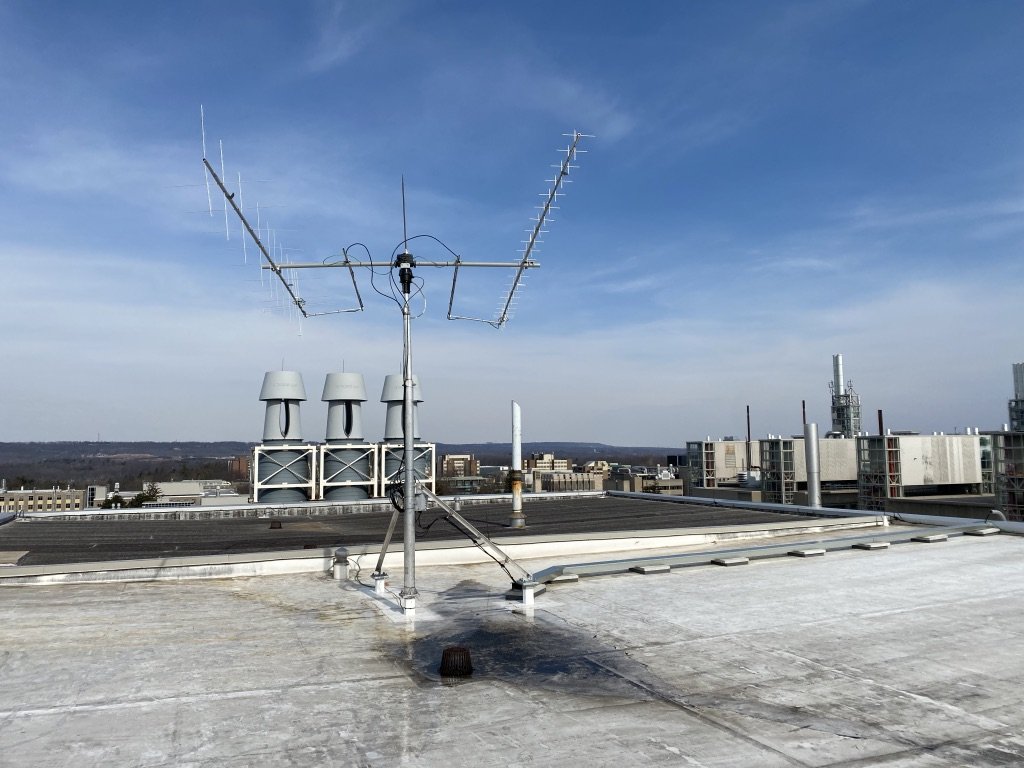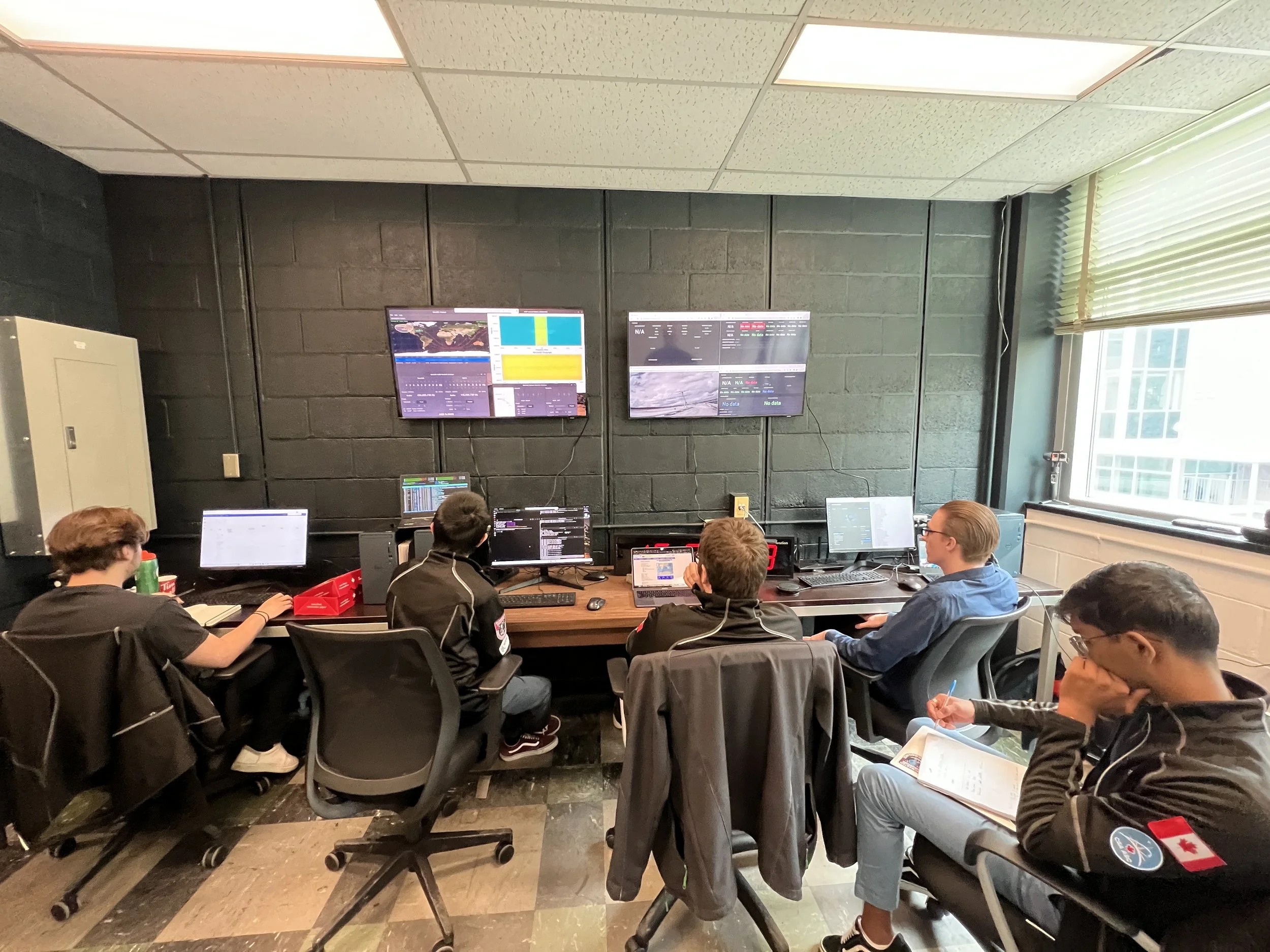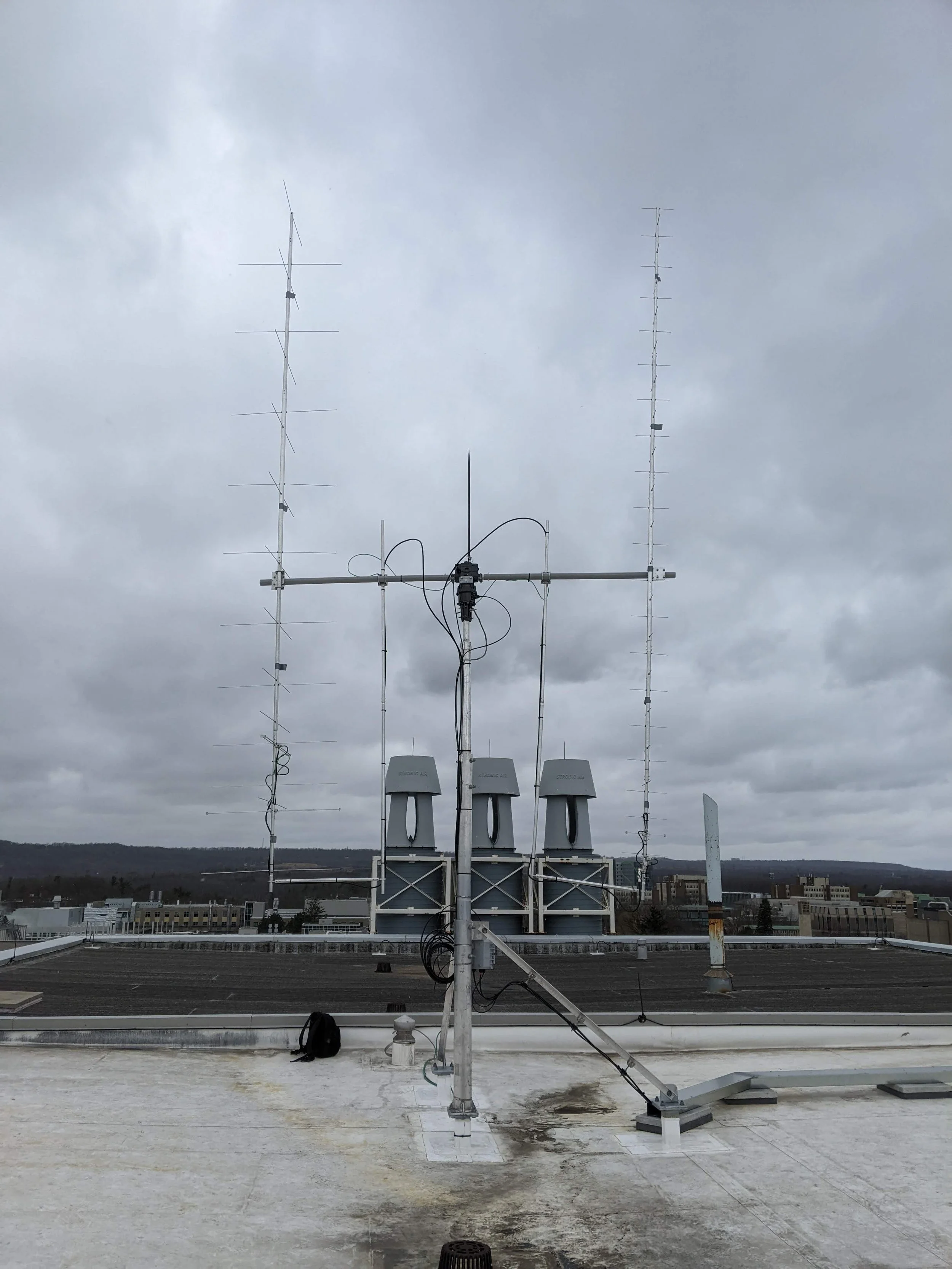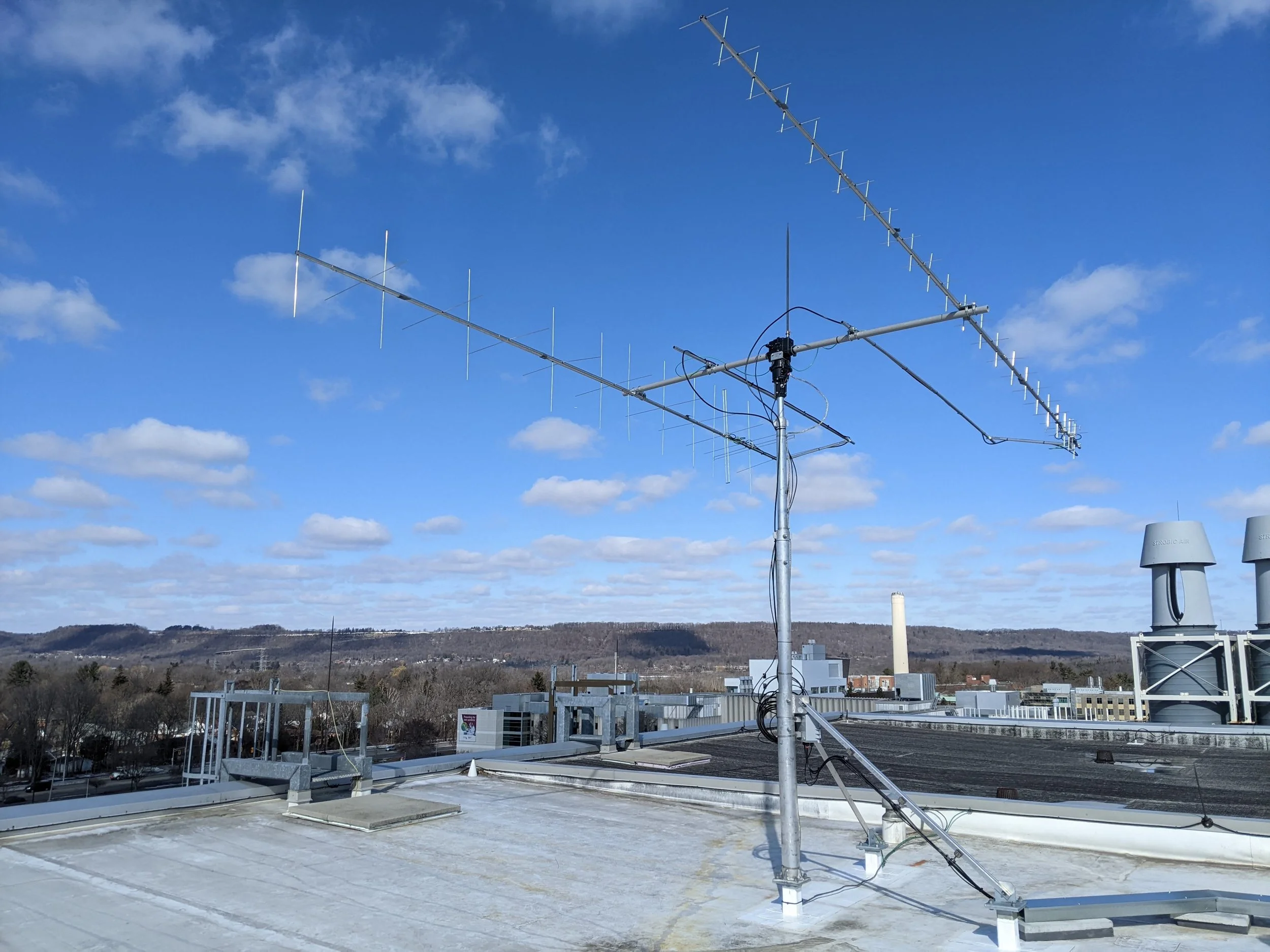
Our satellites use the amateur frequency bands to establish a radio communication link
Our Ground Station (GS) and Mission Operations Centre (MOC) are located at McMaster University
Our GS operates under the Radio Amateurs of Canada (RAC) Club Call Sign: VA3MCM
Amateur Radio at MSTRI
Amateur Radio at MSTRI was founded in 2020 when the team adopted the VA3MCM Amateur Radio Club Call Sign. Since then, the team has supported over 30 radio frequency communication team members in developing their radio frequency (RF) and microwave engineering skills. All MSTRI members are provided with the opportunity to volunteer as radio operators, and those interested go through amateur radio training and examination to receive their amateur radio certifications. Members enrich their academic experience through hands-on learning. Through this training, members master radio operations within national and international regulations, including spacecraft control from Earth stations.
General System Overview
Two-way radio communication links are vital to any space mission. Operating under our sponsored ground station club call sign (VA3MCM) and our spacecraft club call sign (VE3NEU) provides us access to amateur radio bands in order to establish a communication link with our spacecraft. Our general approach uses the 2-m VHF band (146 - 148 MHz) and 70-cm UHF (435 - 438 MHz) bands for uplink and downlink, respectively, to our spacecraft while it is in orbit.
Our spacecraft and ground station radios are custom-designed by MSTRI members. Our amateur radio operators operate all our spacecraft, and uplink commands are always encrypted and authenticated by our spacecraft. External amateur radio operators do not have the ability to upload commands to the spacecraft or prompt it to transmit telemetry on demand. Instead, at regular intervals, our spacecraft beacons publicly available telemetry so that anyone listening can decode our beacon packets. Our beacons are integrated into the SatNOGS Open Source Global Amateur Radio Network. This integration with the amateur radio community was critical to the success of NEUDOSE, and allowed MSTRI members to learn deeply about other satellites operating in the amateur radio service. It gave us ideas on further contributing to exciting learning experiences between our research group and the amateur radio community.
Additionally, at least once per day, while a spacecraft is in orbit, an operator of the McMaster ground station will downlink telemetry when the spacecraft is overhead. For information, on how to listen, please get in touch with our team (neudose@gmail.com).
Amateur Radio in Our Satellite Missions
The use of amateur radio bands varies from mission to mission. To catch up on the latest mission amateur radio initiatives, please click on the following mission patches to take you to our mission-specific amateur radio page.
Other Amateur Radio Activities
Public Outreach and Education
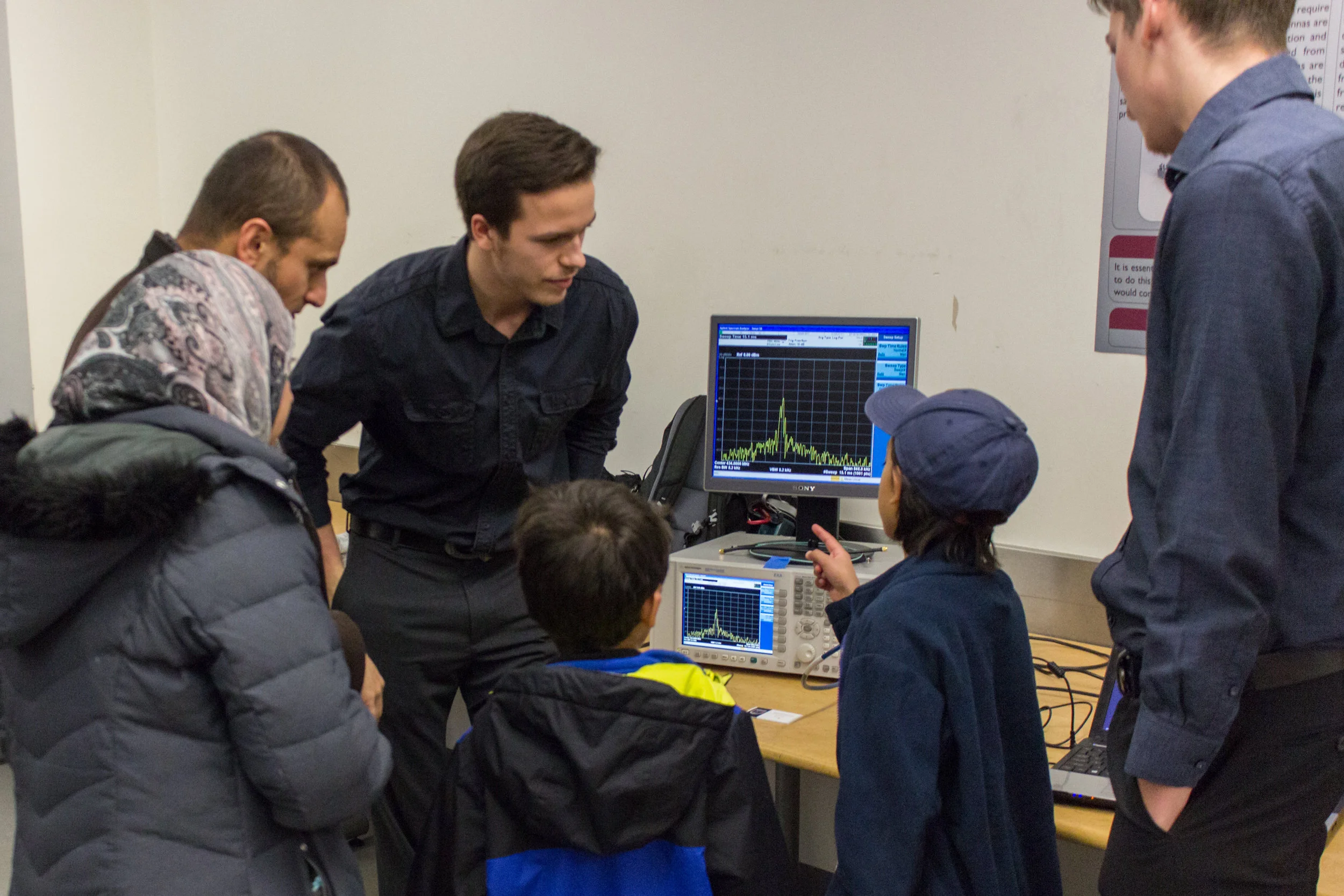
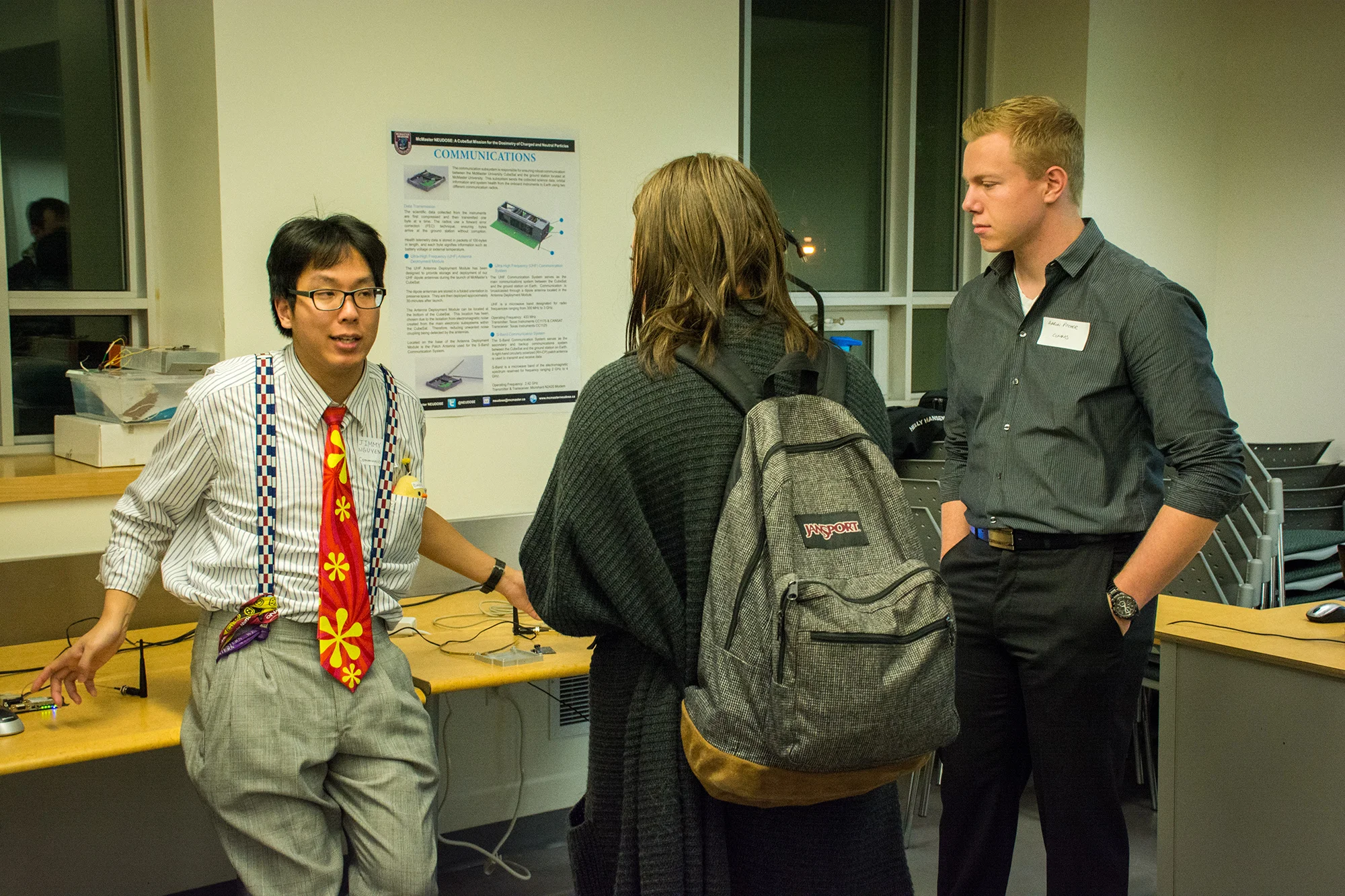
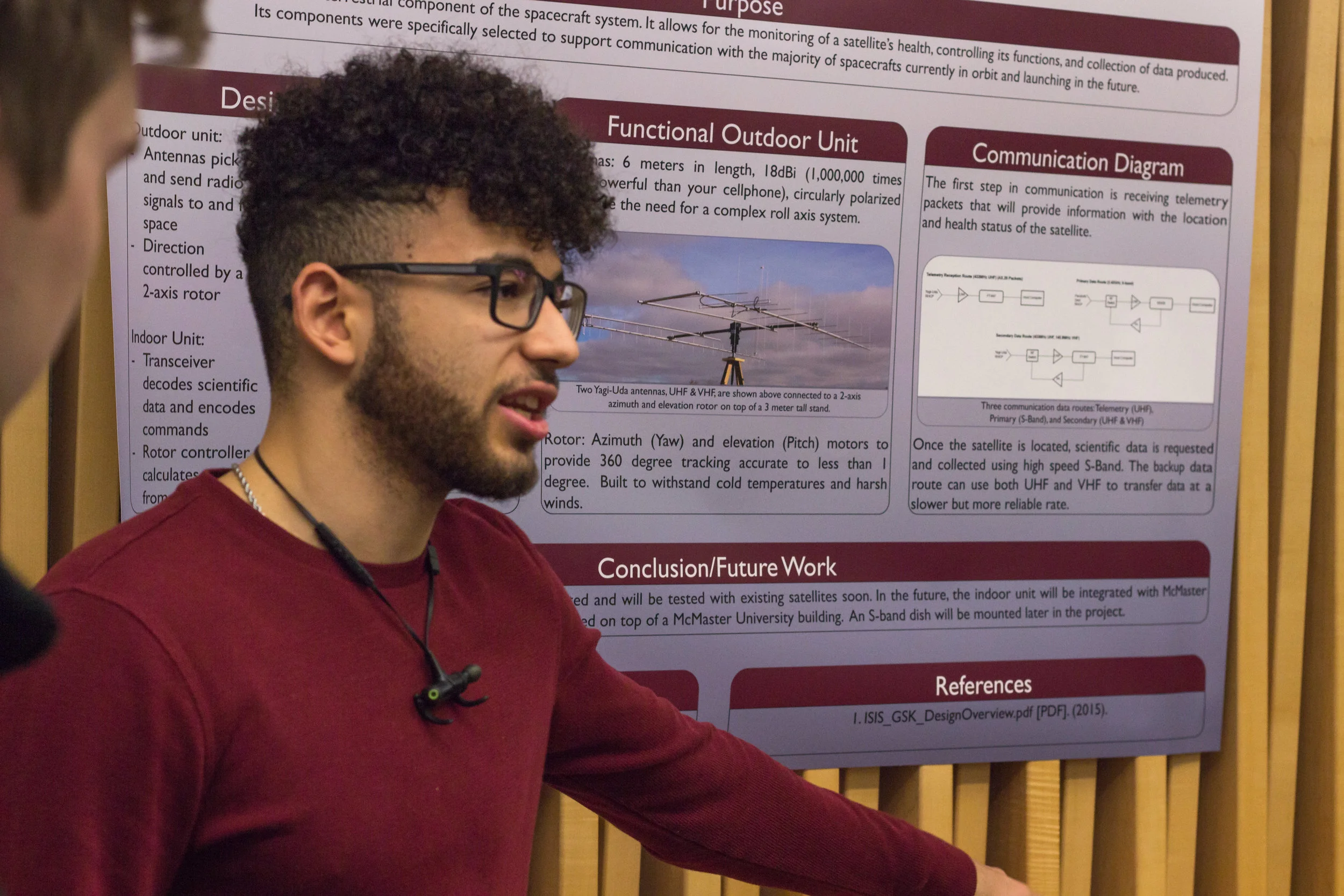
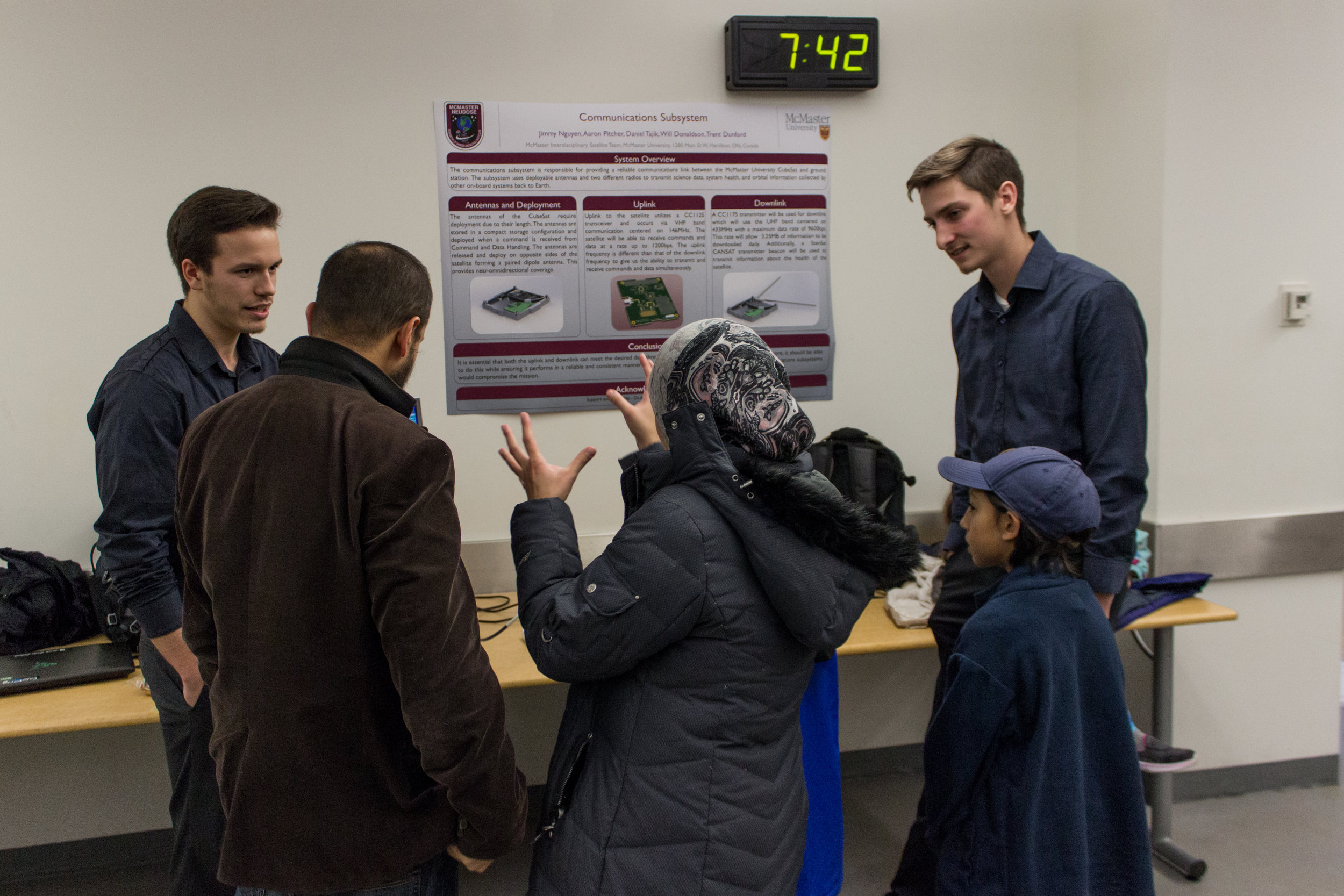
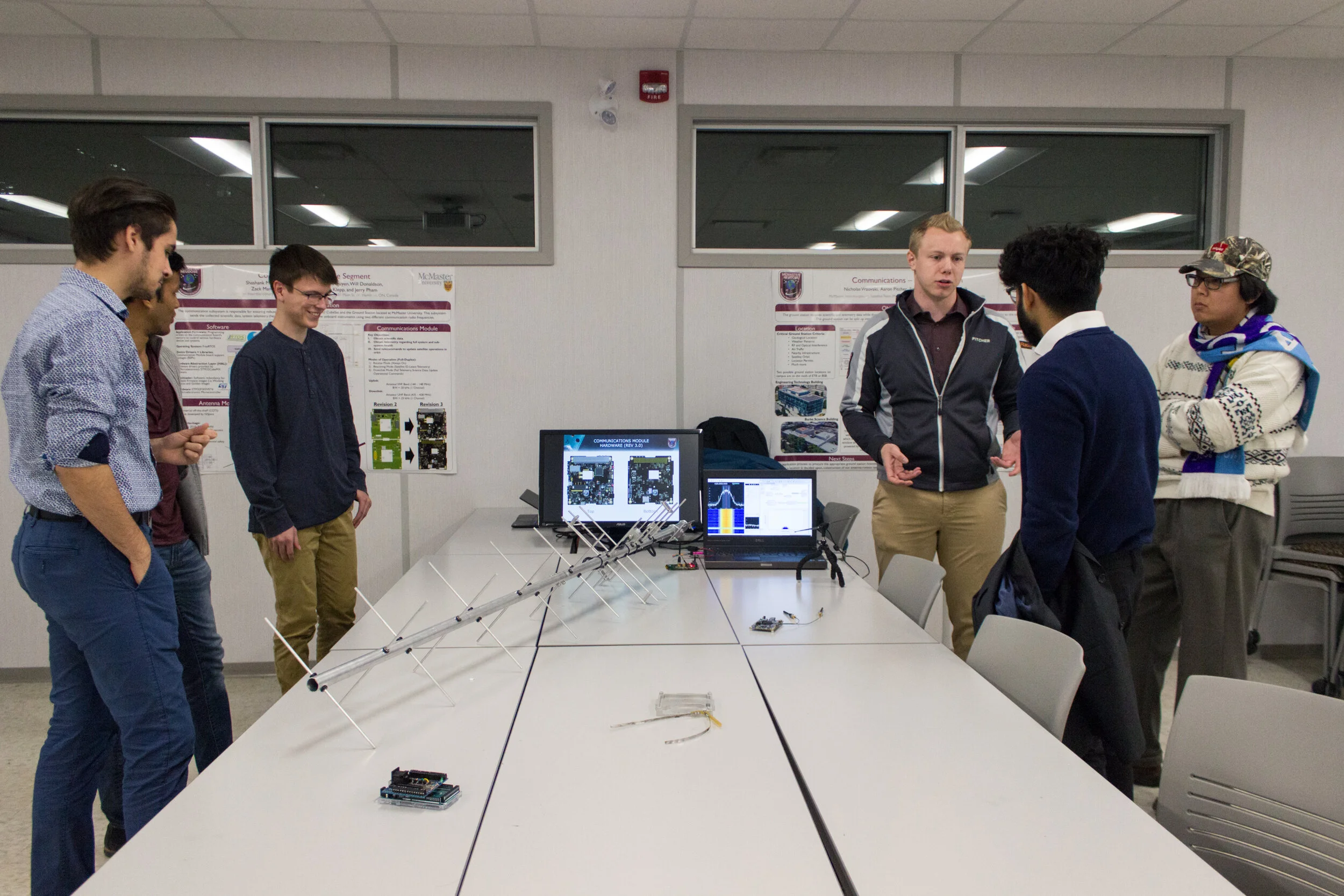
Historically, MSTRI prides itself on public outreach and education. Whether it is our Live Lecture series open to the general public or our yearly Satellite Team Aerospace Review Show (STARS) event hosted by our MIST team, we love to show off our hardware and educate the public on what we are doing. Here, we showcase the latest progress in our amateur radio development at MSTRI with hands-on demos and presentations. The general public gets to interact with our members and have their questions answered about the technology we are using.
Field Days
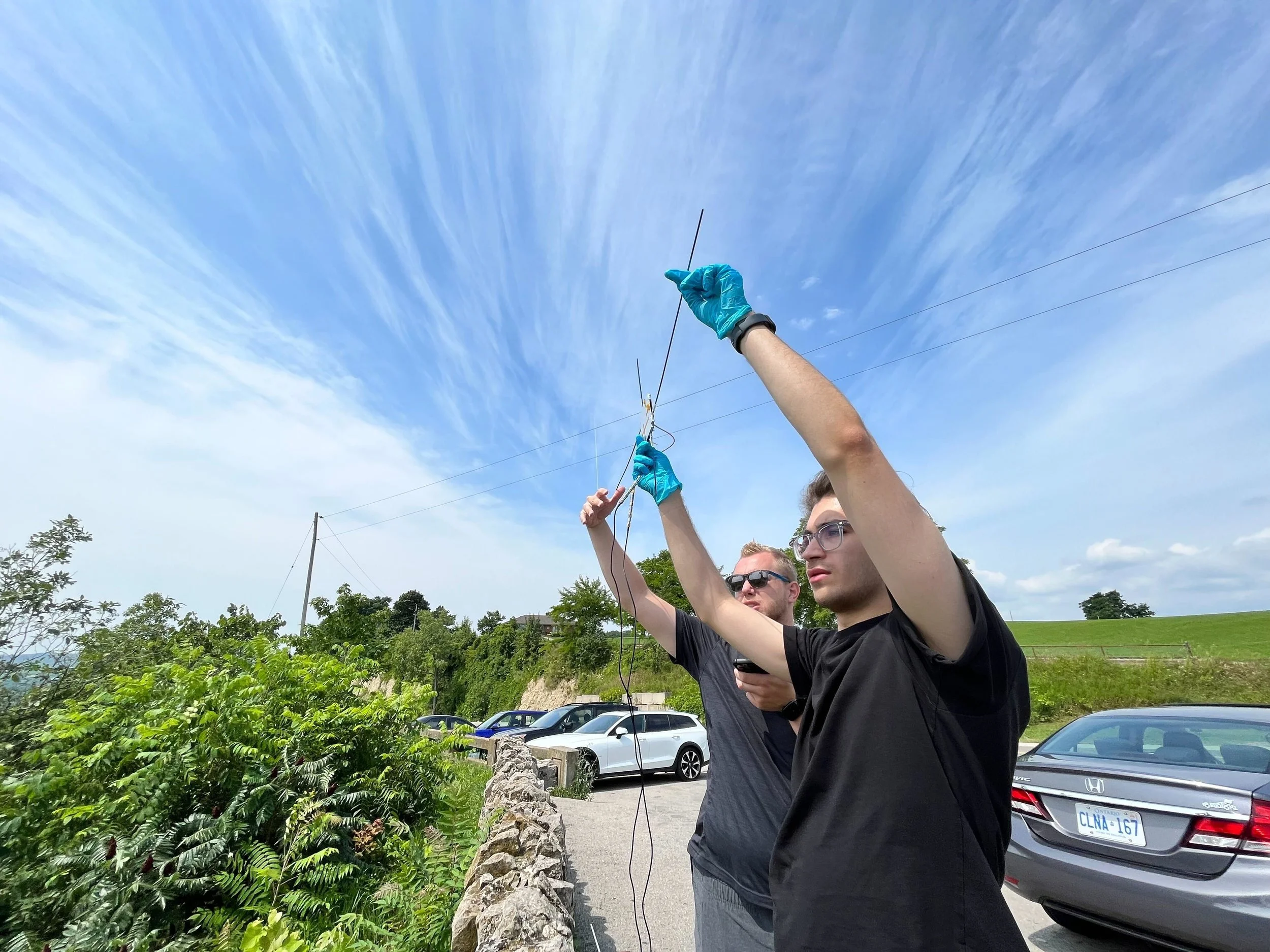
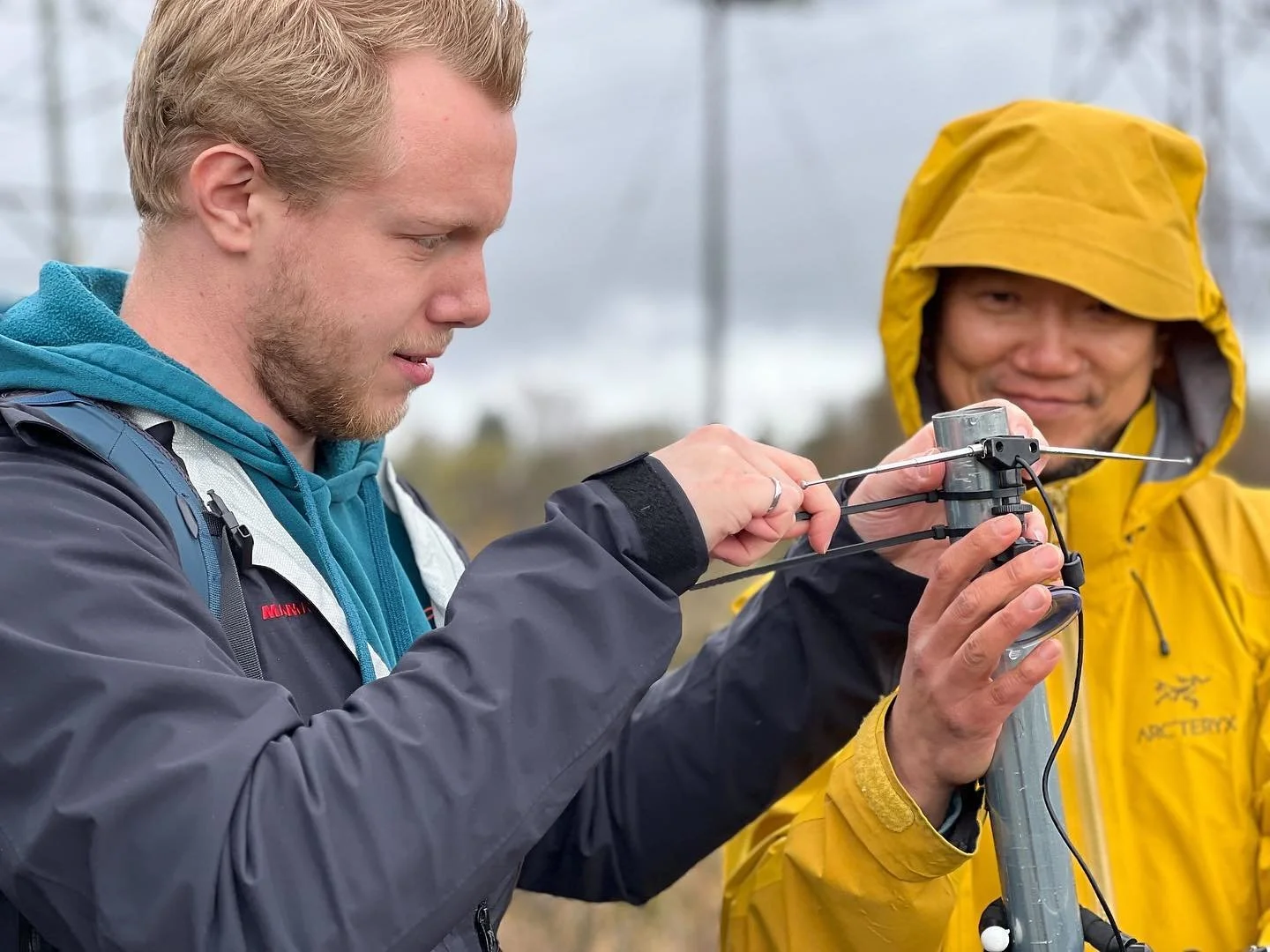
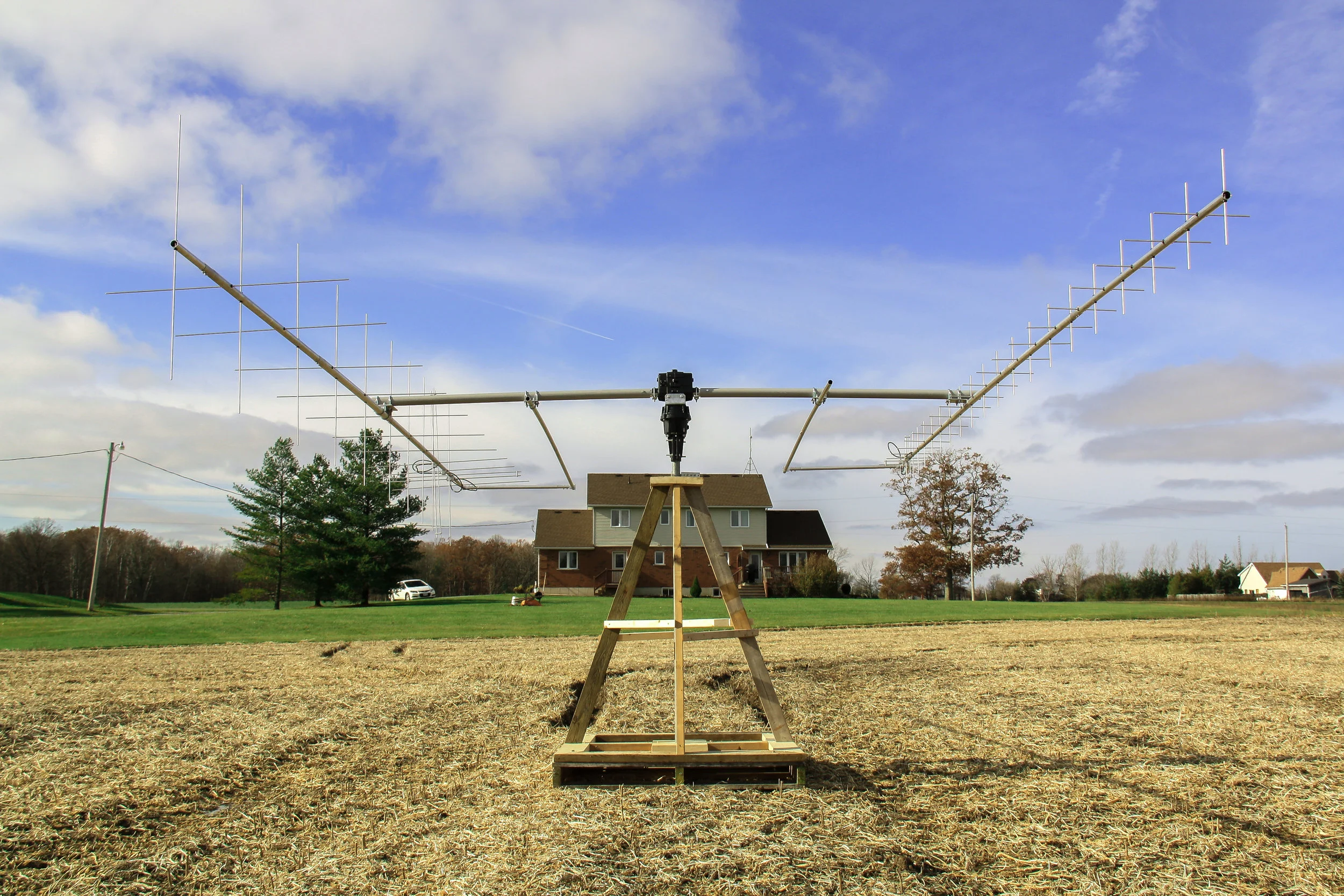
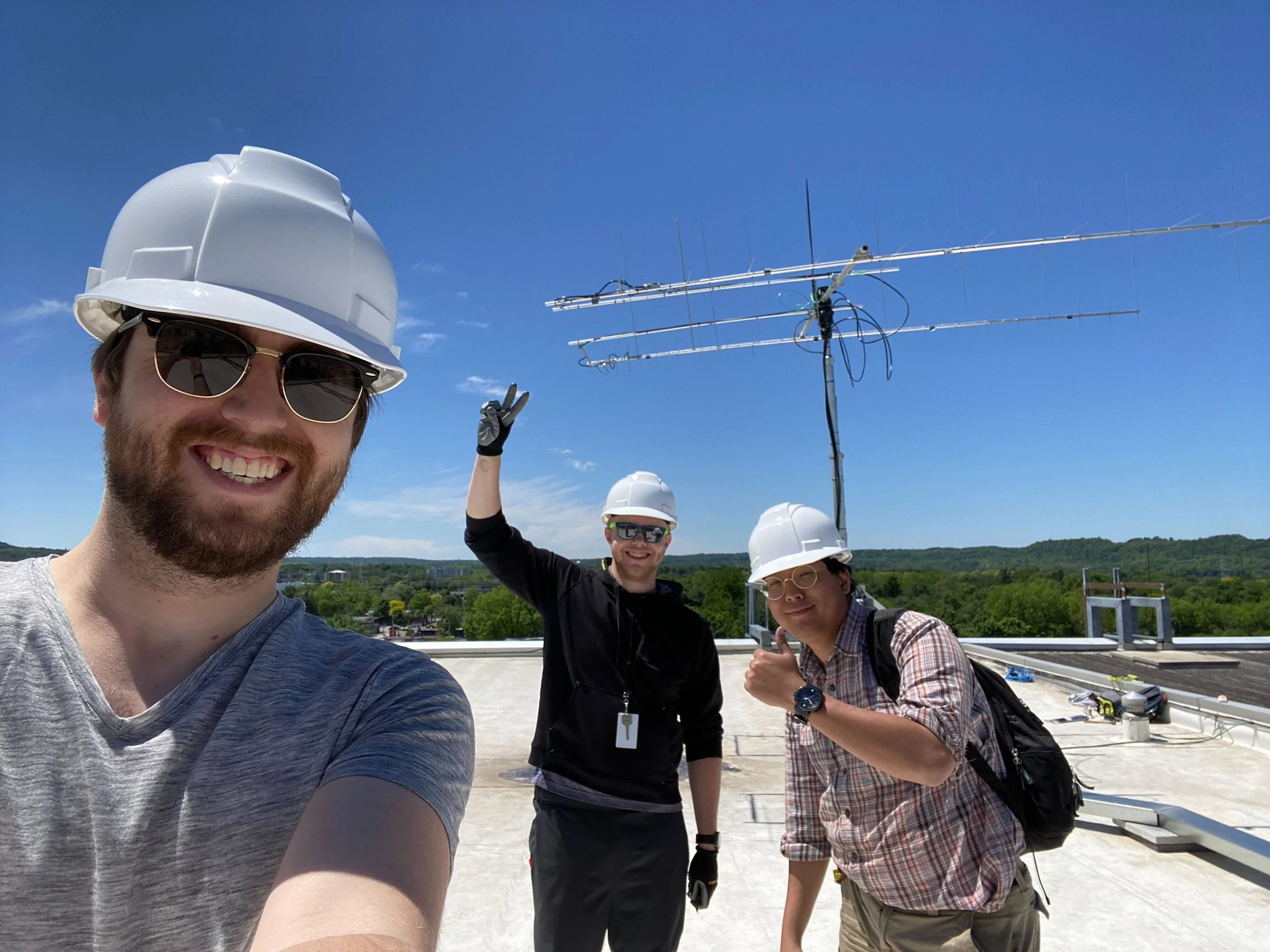
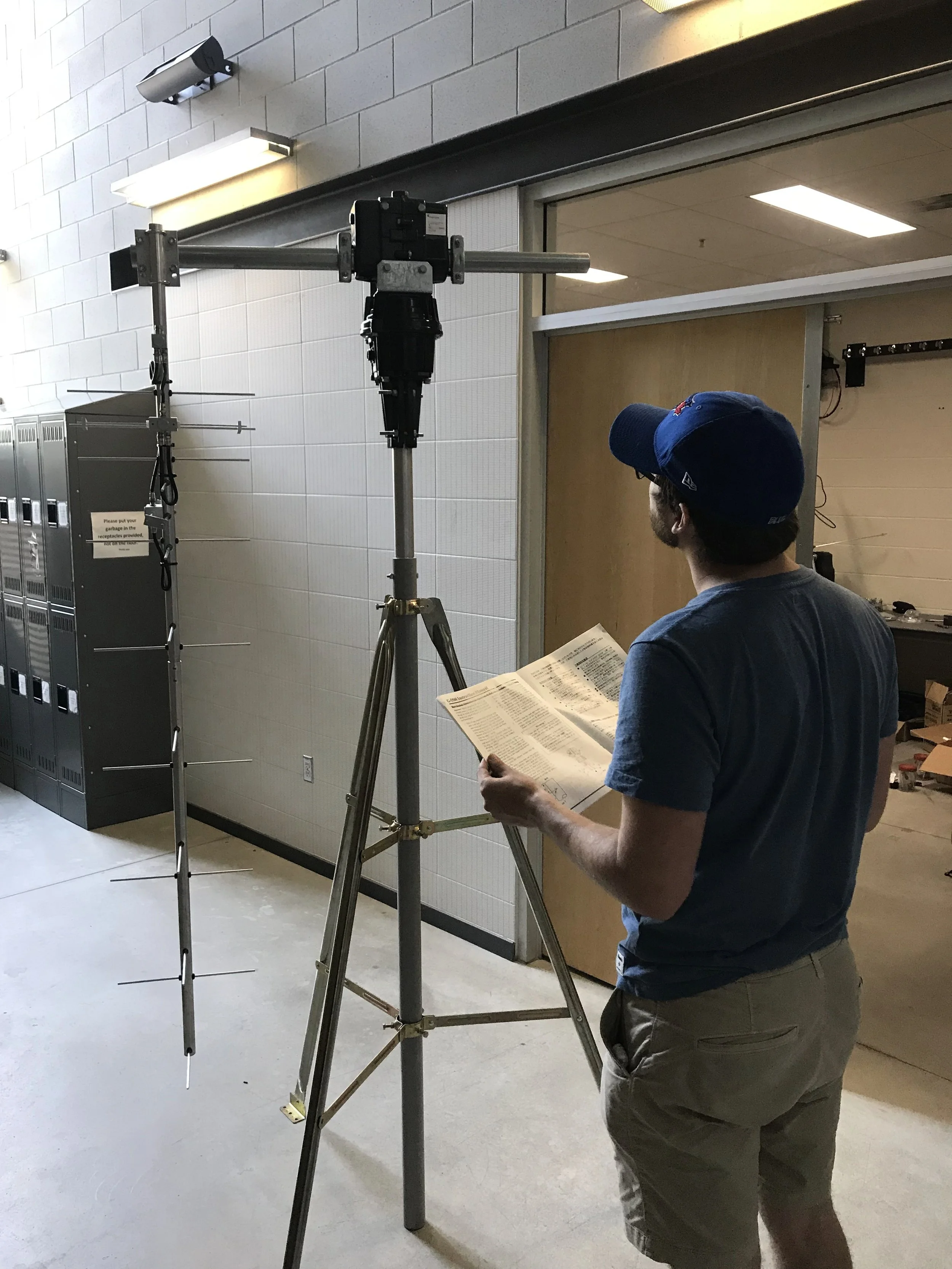
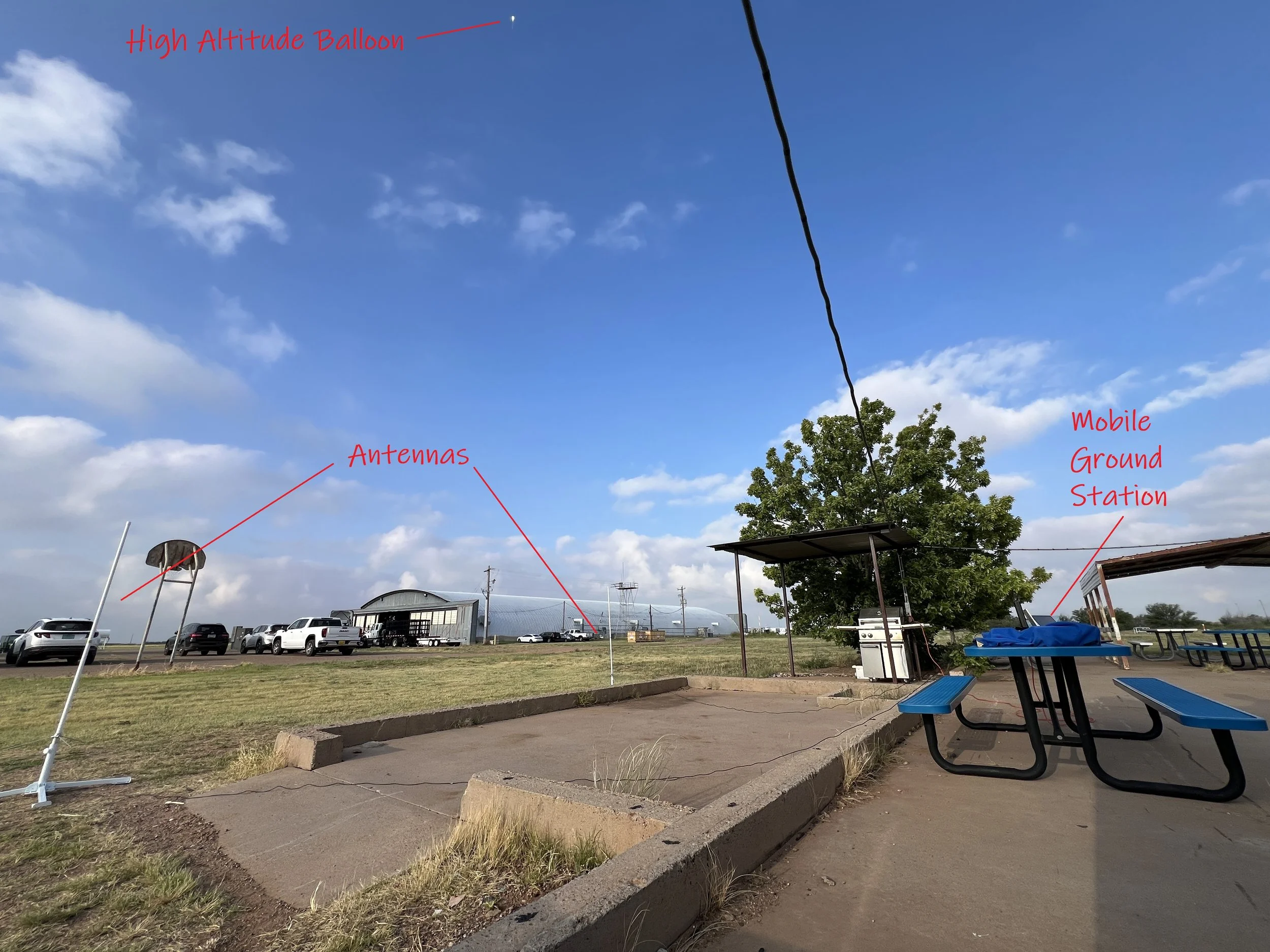
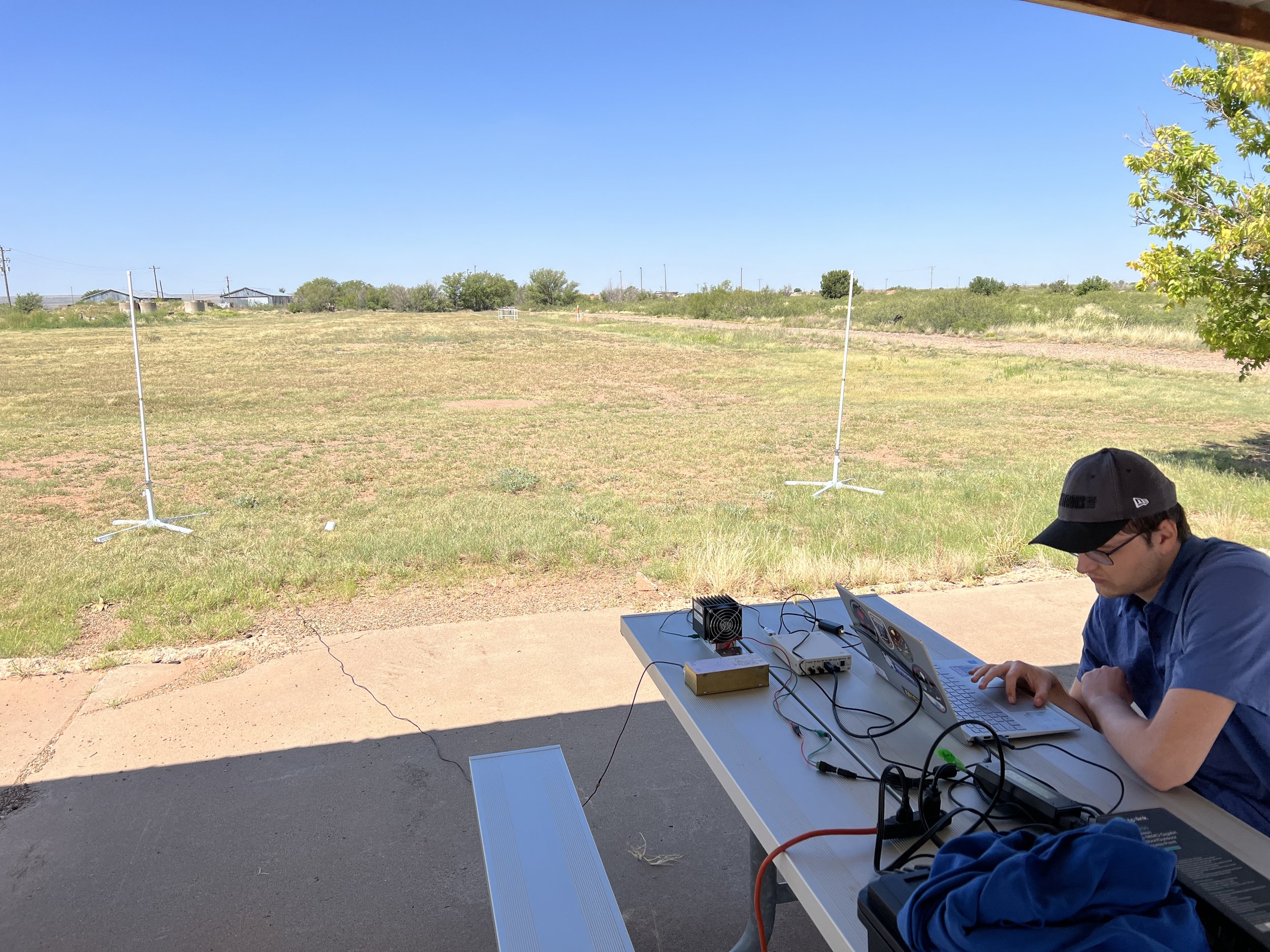
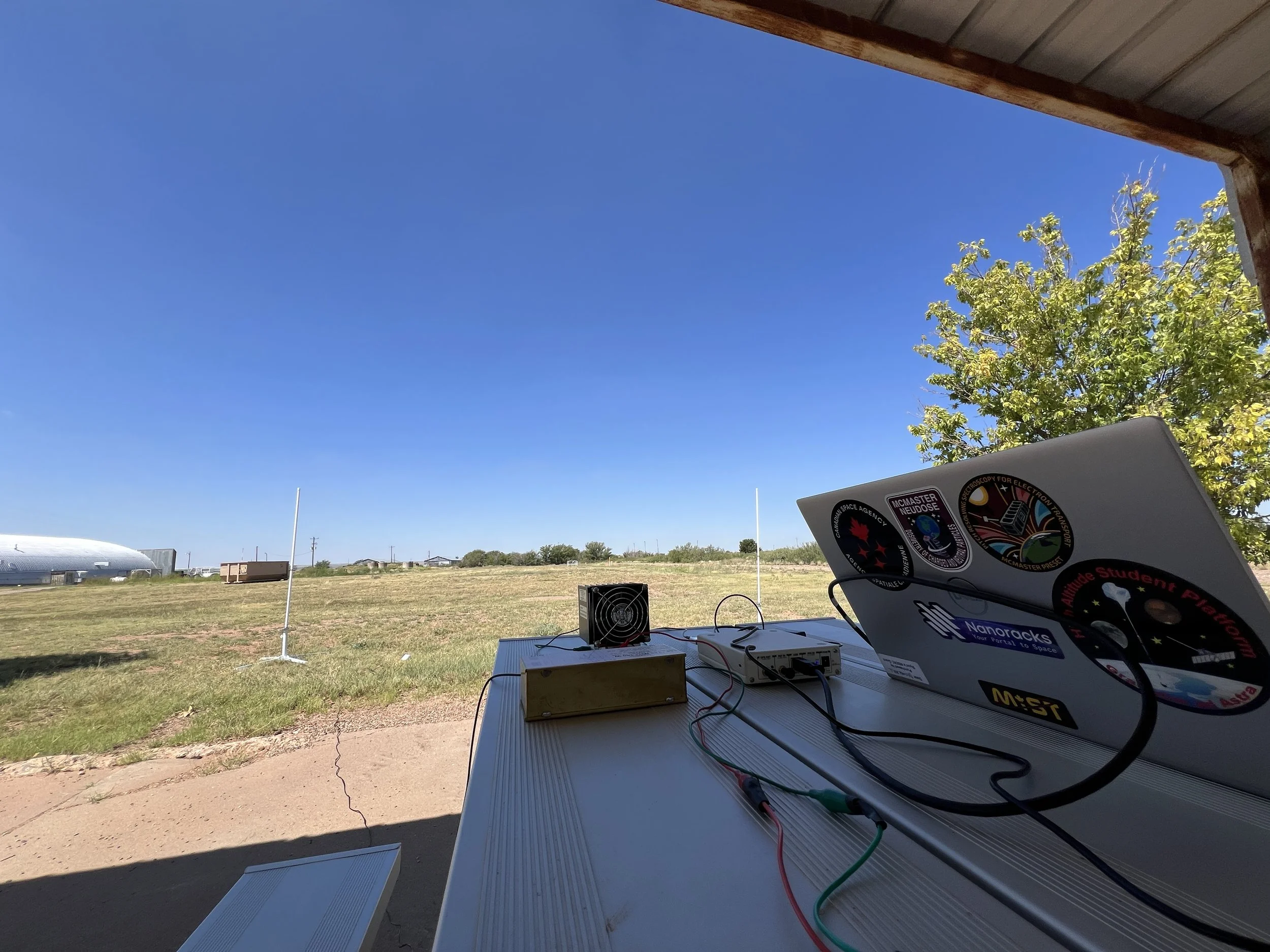
Taking the benchtop experience out into the field on our team’s field days is always an experience. Our members utilize the ground station located at McMaster University or a mobile ground station variant to perform field tests with our radios. These tests are vital as they validate the full capabilities of our communication link at relatively large distances, a couple of kilometres and beyond in some instances. Our current team’s record is a 215 km uplink held by VA3ZMQ and VE3KGZ, and a 353 km downlink held by VA3DFT and VA3ZMQ.
NASA’s High Altitude Student Platform (HASP) Campaigns
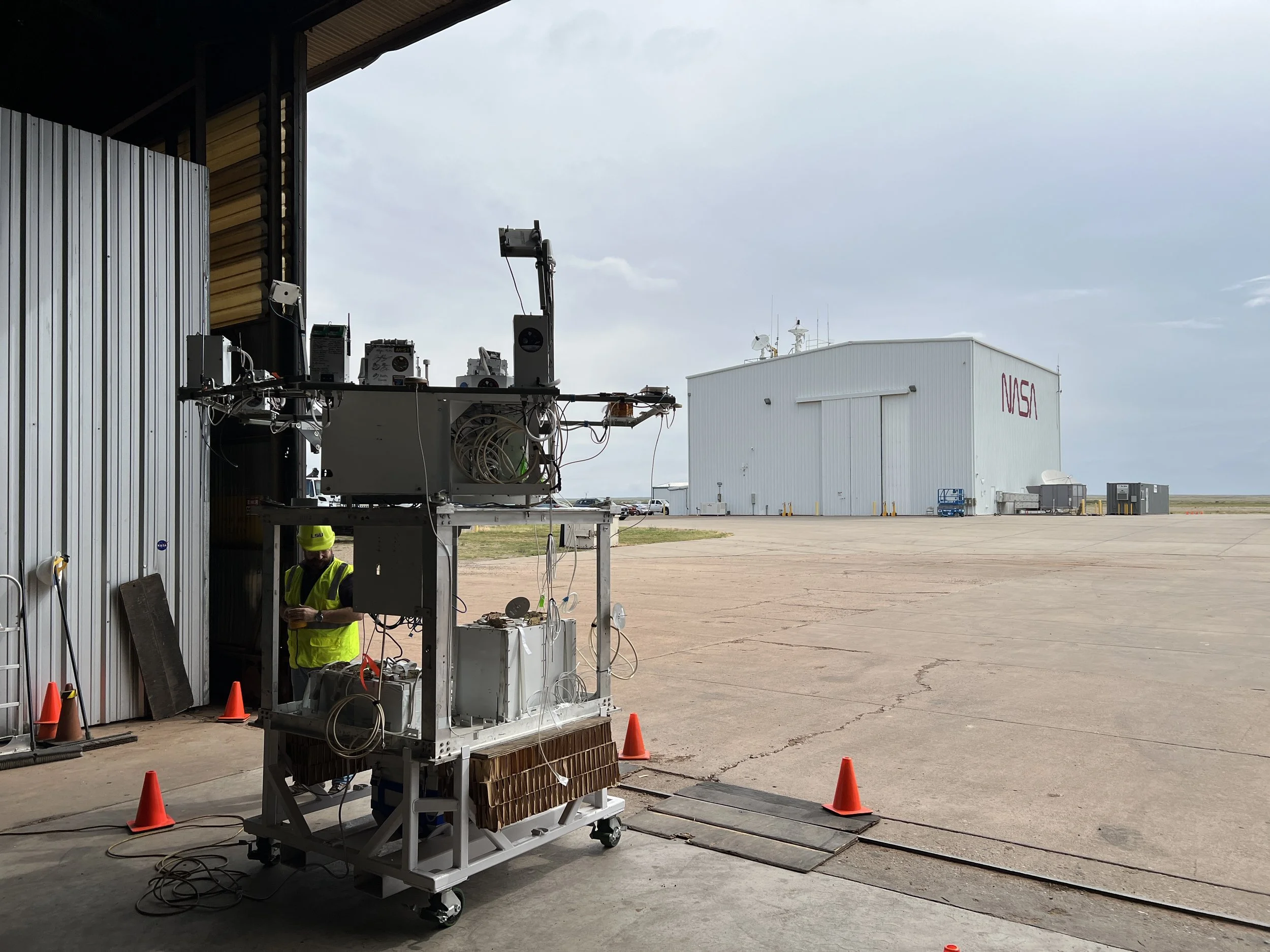
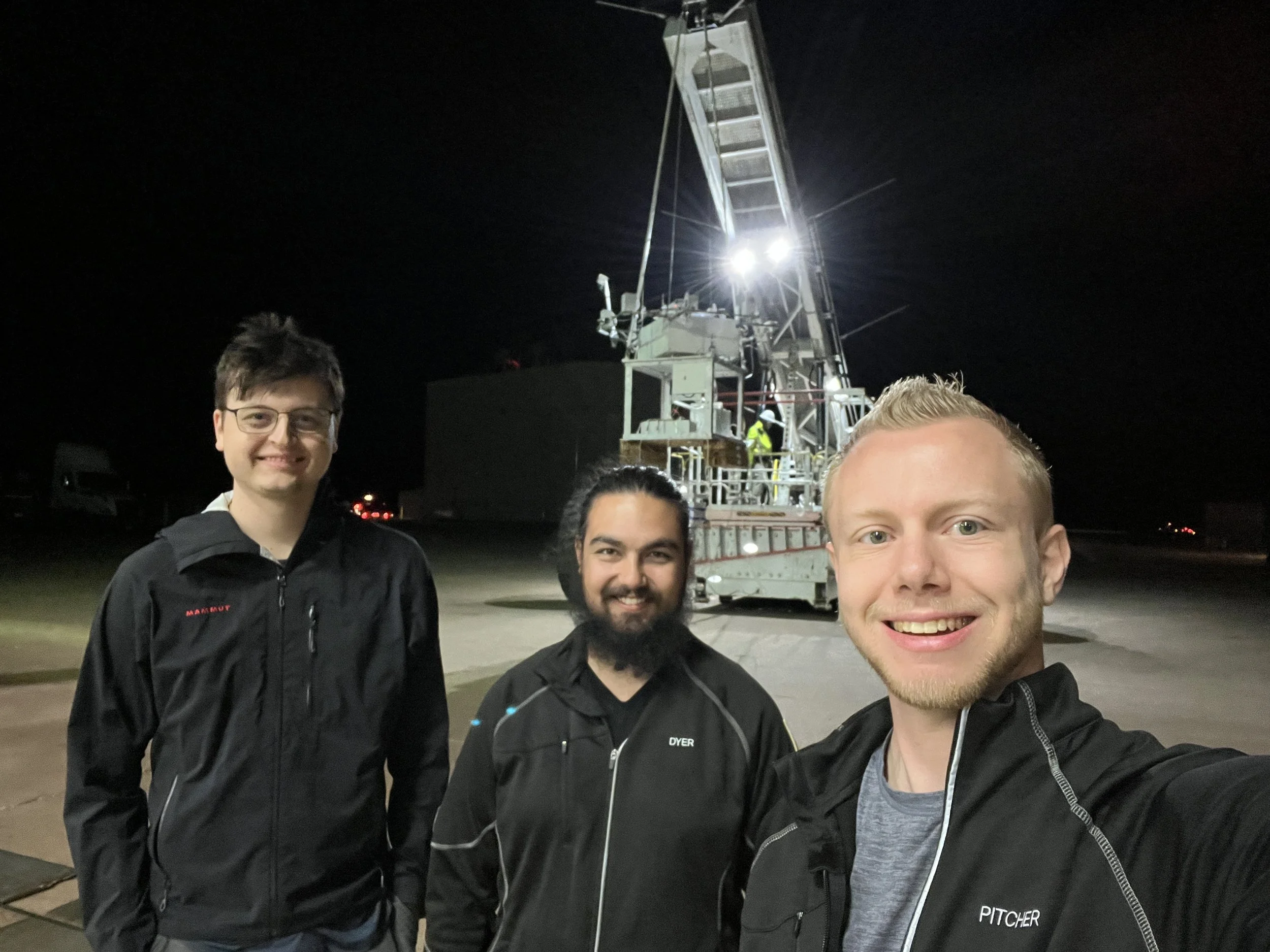
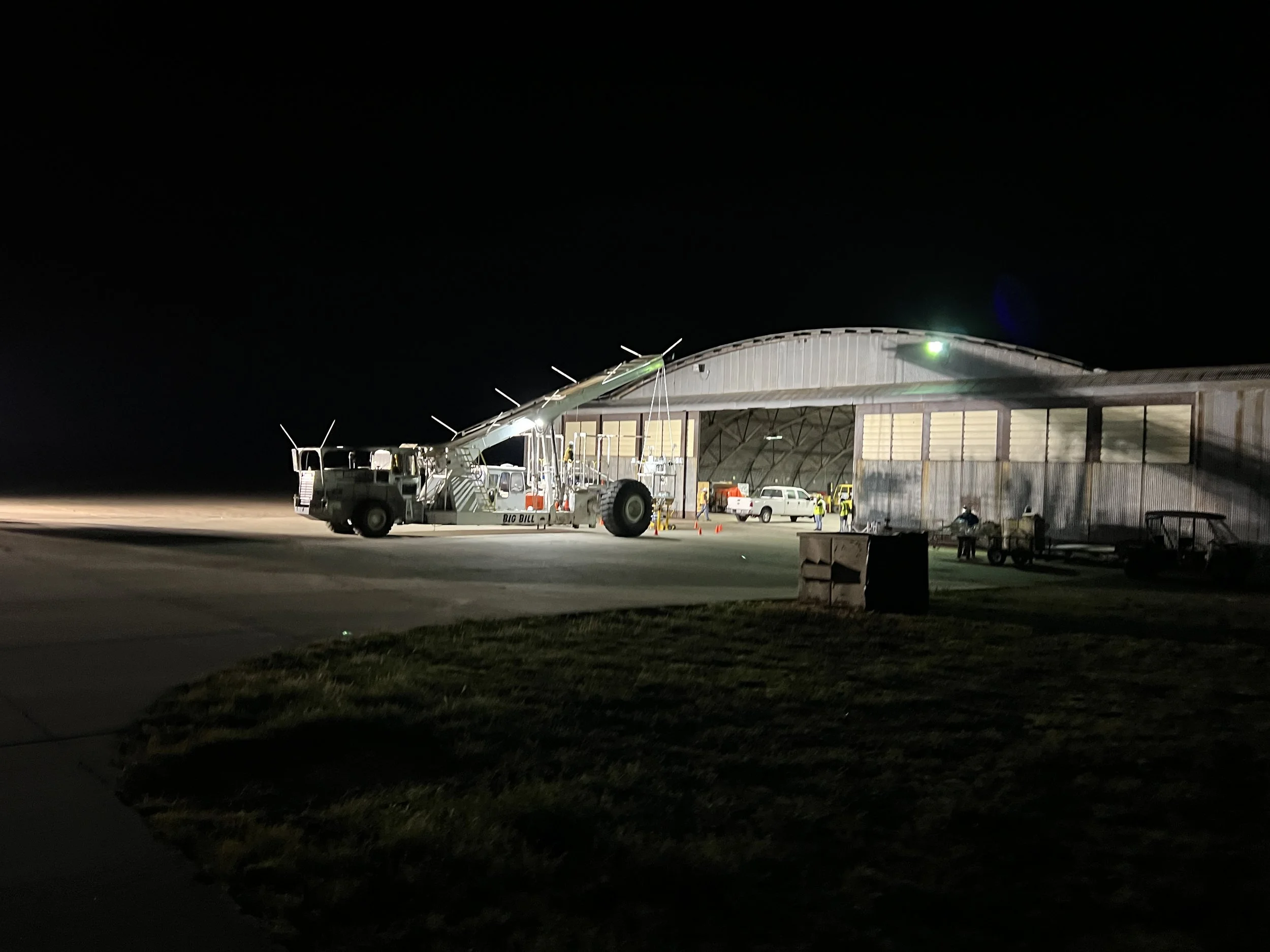
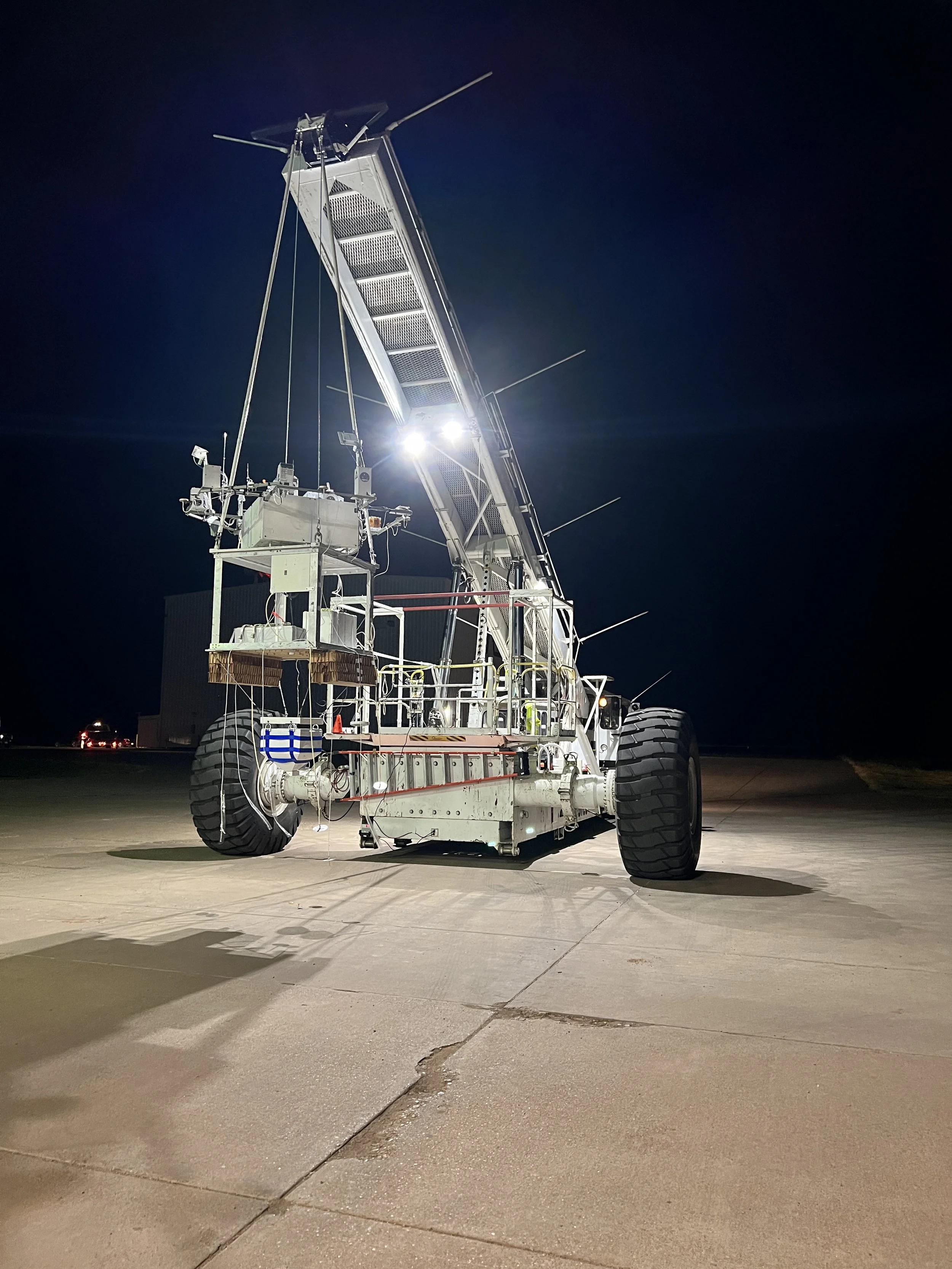
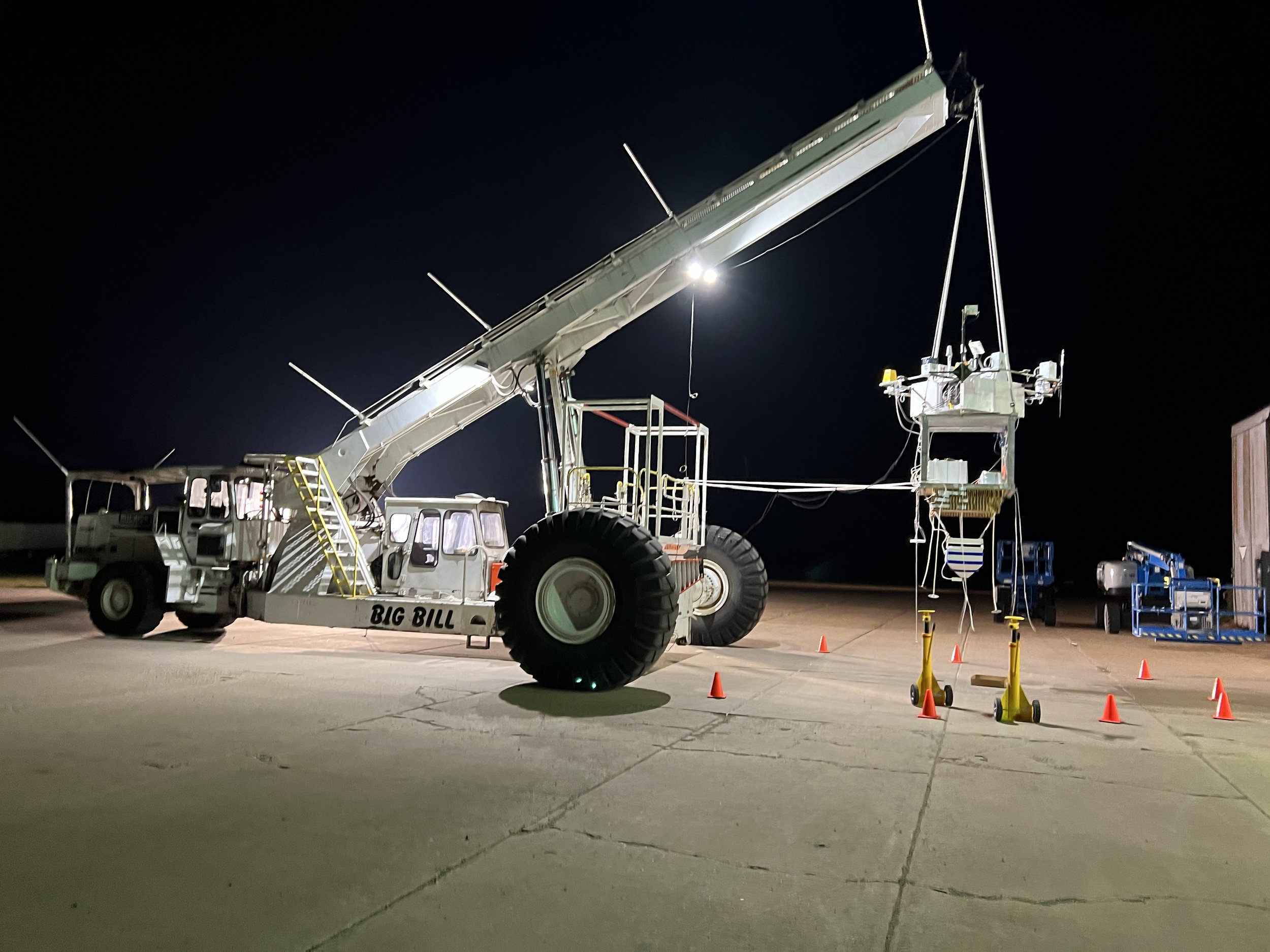
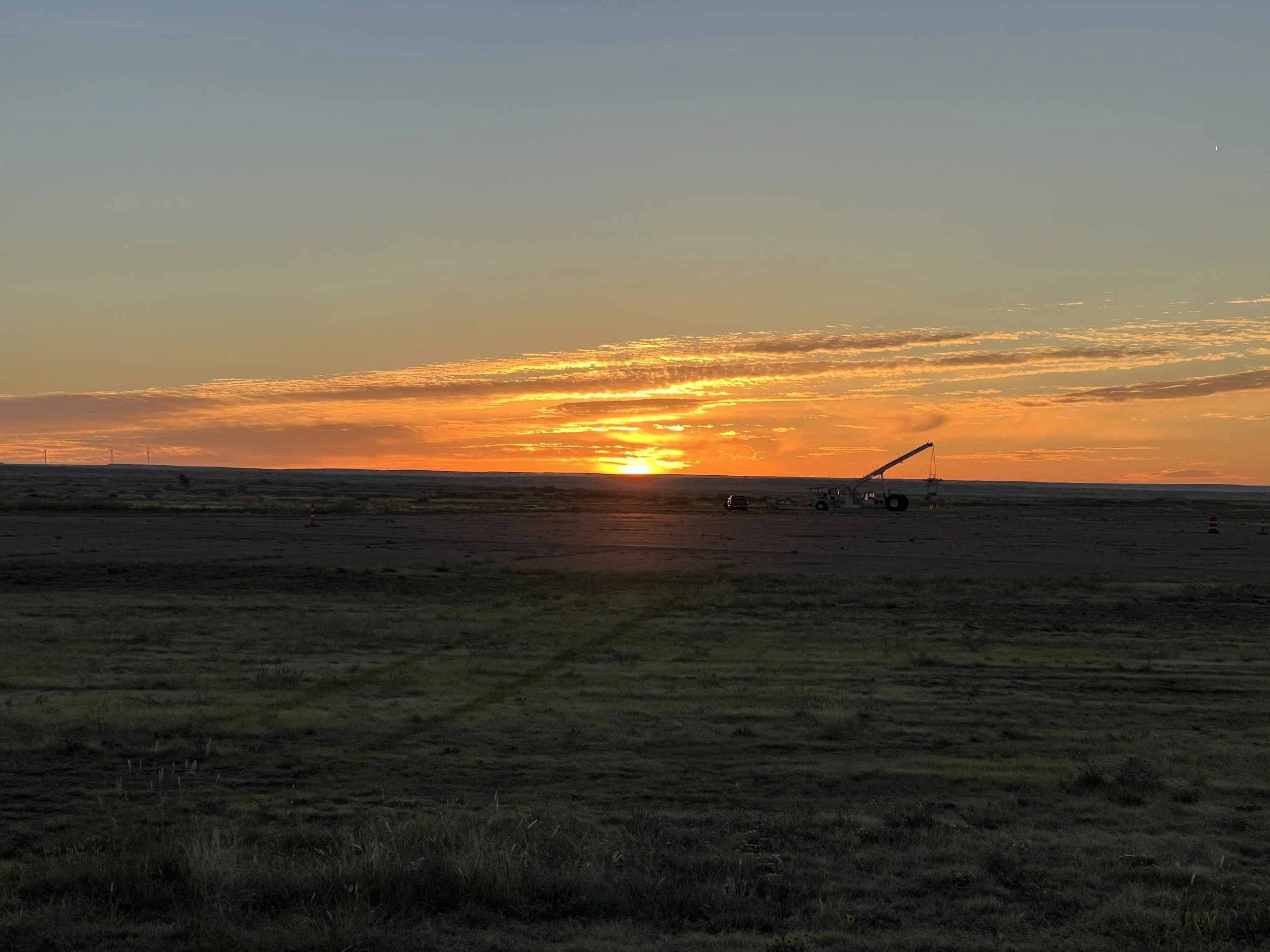
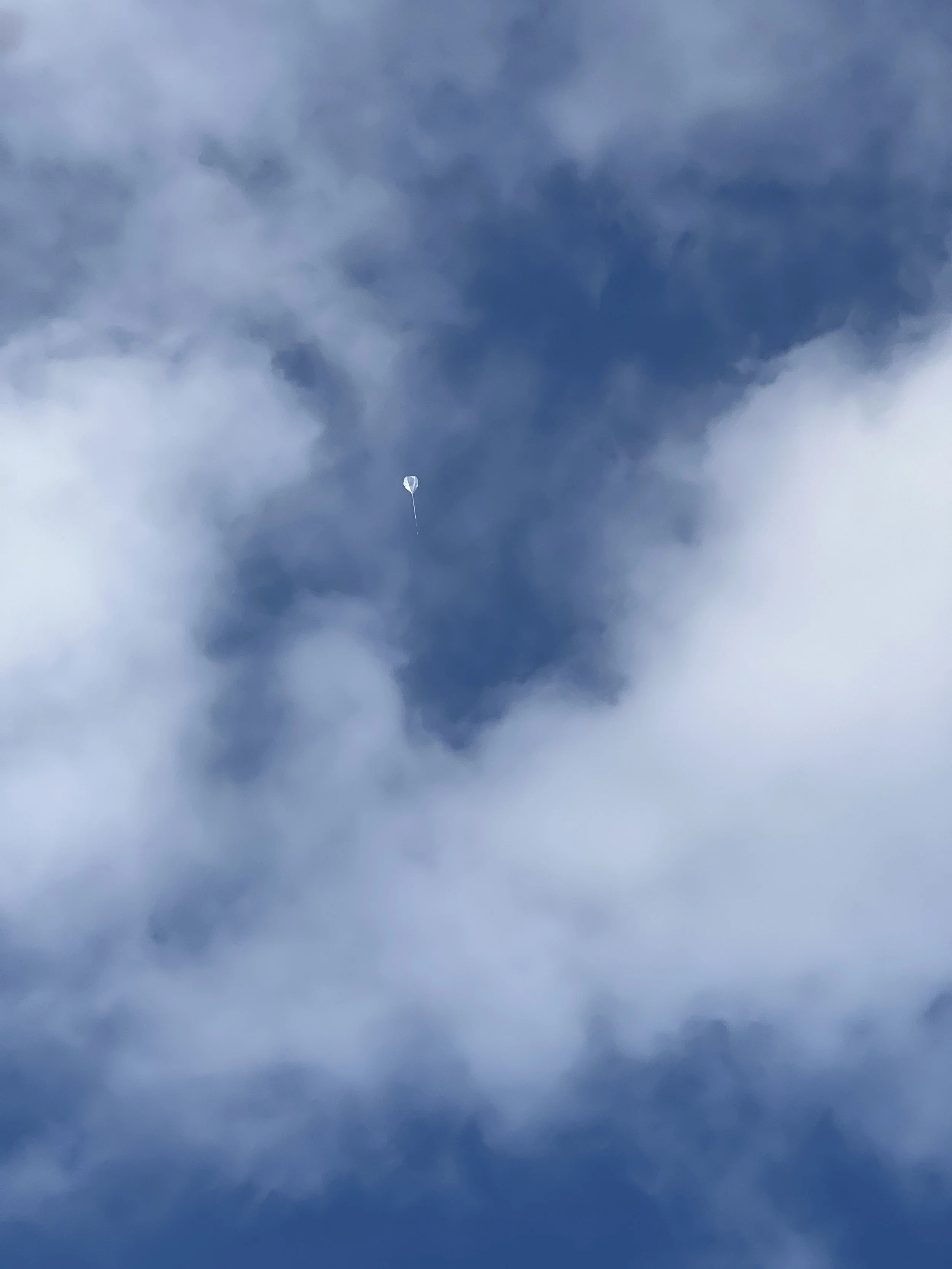
NASA’s High Altitude Student Balloon (HASP) flight program, supported by the NASA Balloon Program Office and the Louisiana Space Consortium (LaSpace), flies once a year in September from the Columbia Scientific Baool Facility (CSBF) base in Fort Sumner, New Mexico.
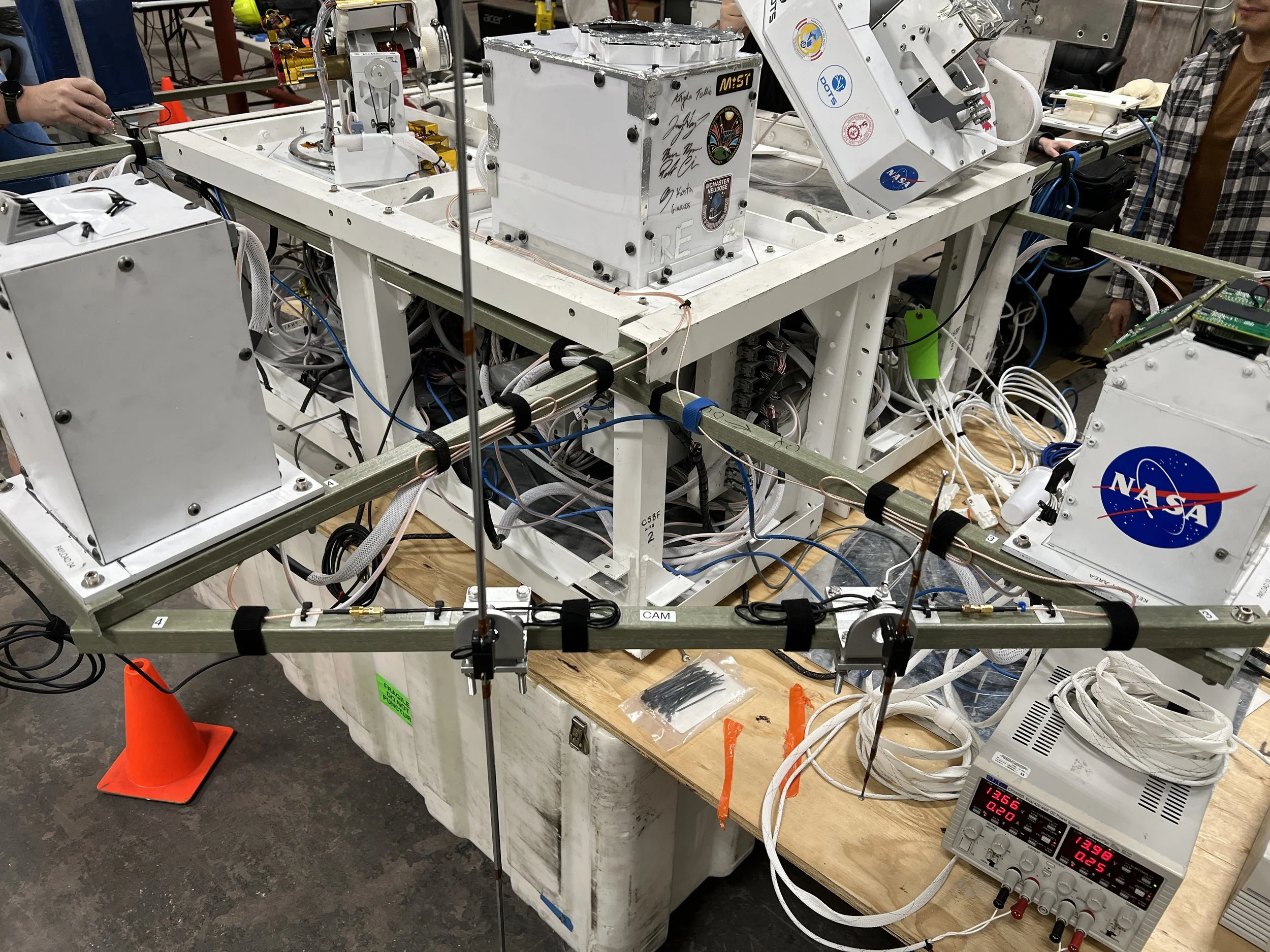
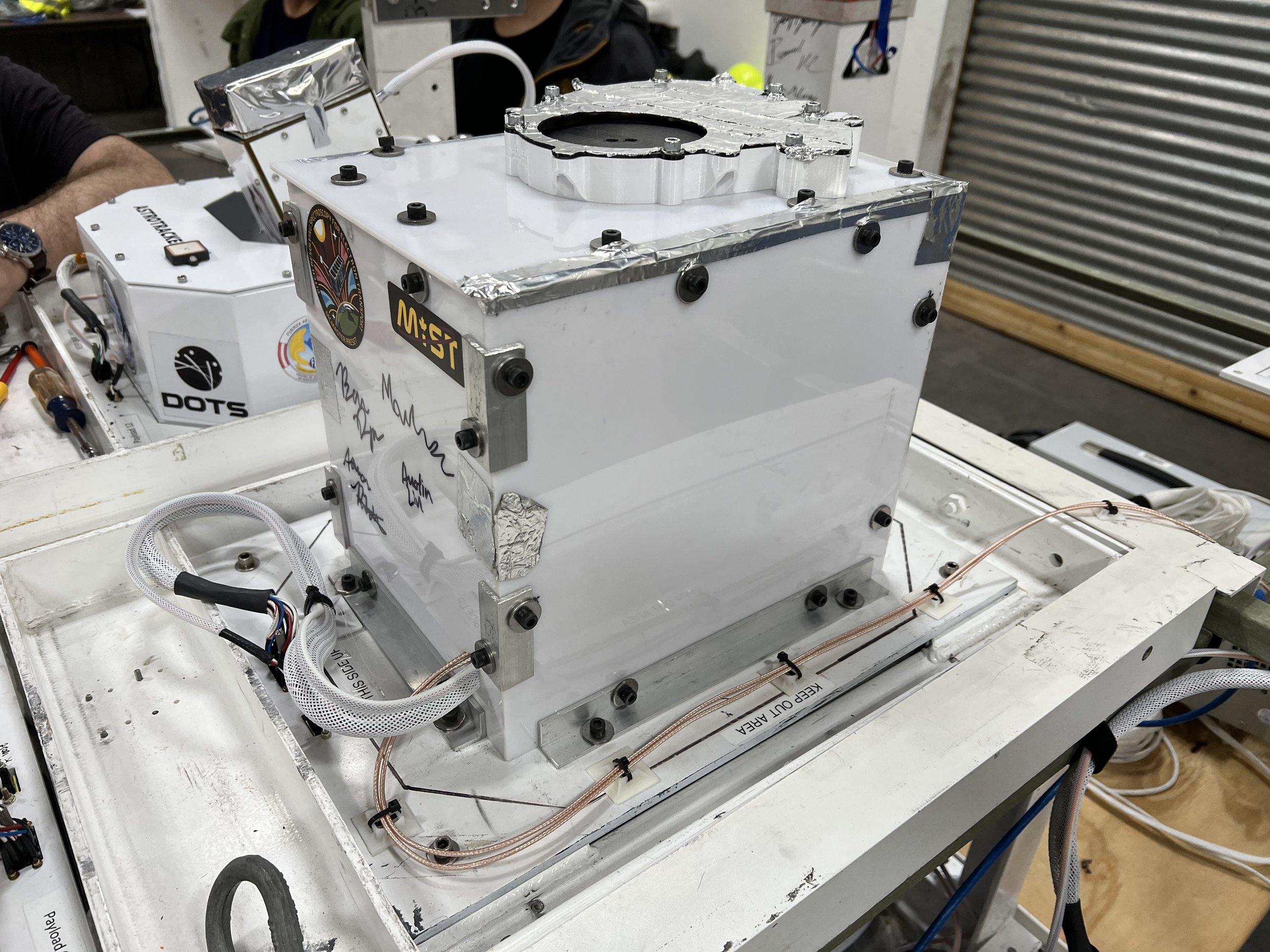
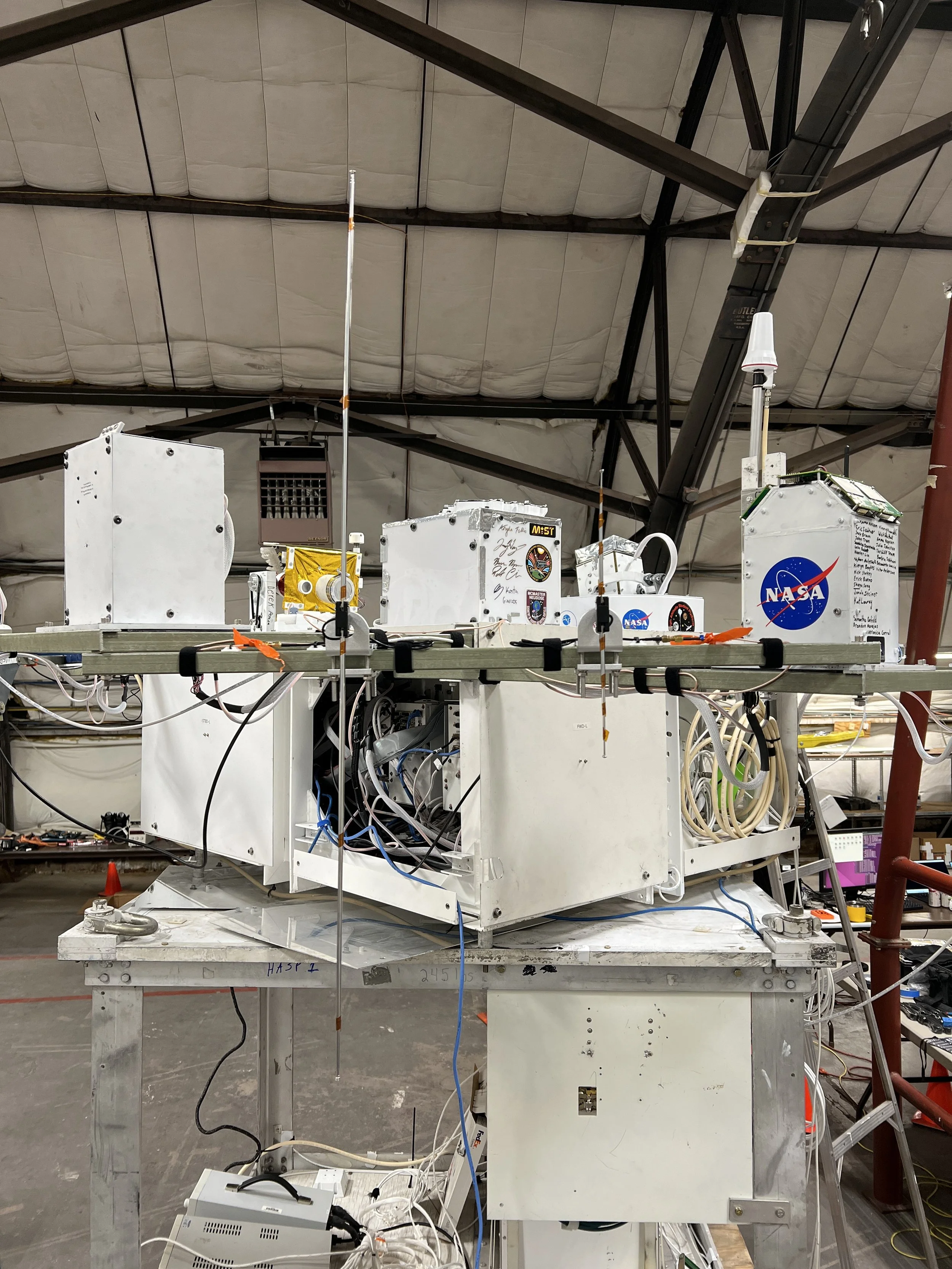
Since 2016, our payloads have been one of twelve student payloads strapped to a high-altitude balloon that reaches a height of ~36 km (118,000 ft). The HASP program provides a unique test bench opportunity for space-like environments and long-range communication tests.
The test campaign starts with two thermal vacuum (TVAC) tests, which simulate the edge of space temperature and vacuum profiles. Our team diligently works with the program coordinators to ensure that our payloads, which contain our custom communications module, operate nominally and survive the environmental test campaign. Then, the payloads are shipped from the TVAC test facility to the CSBF base in New Mexico, where they are integrated into the balloon platform.
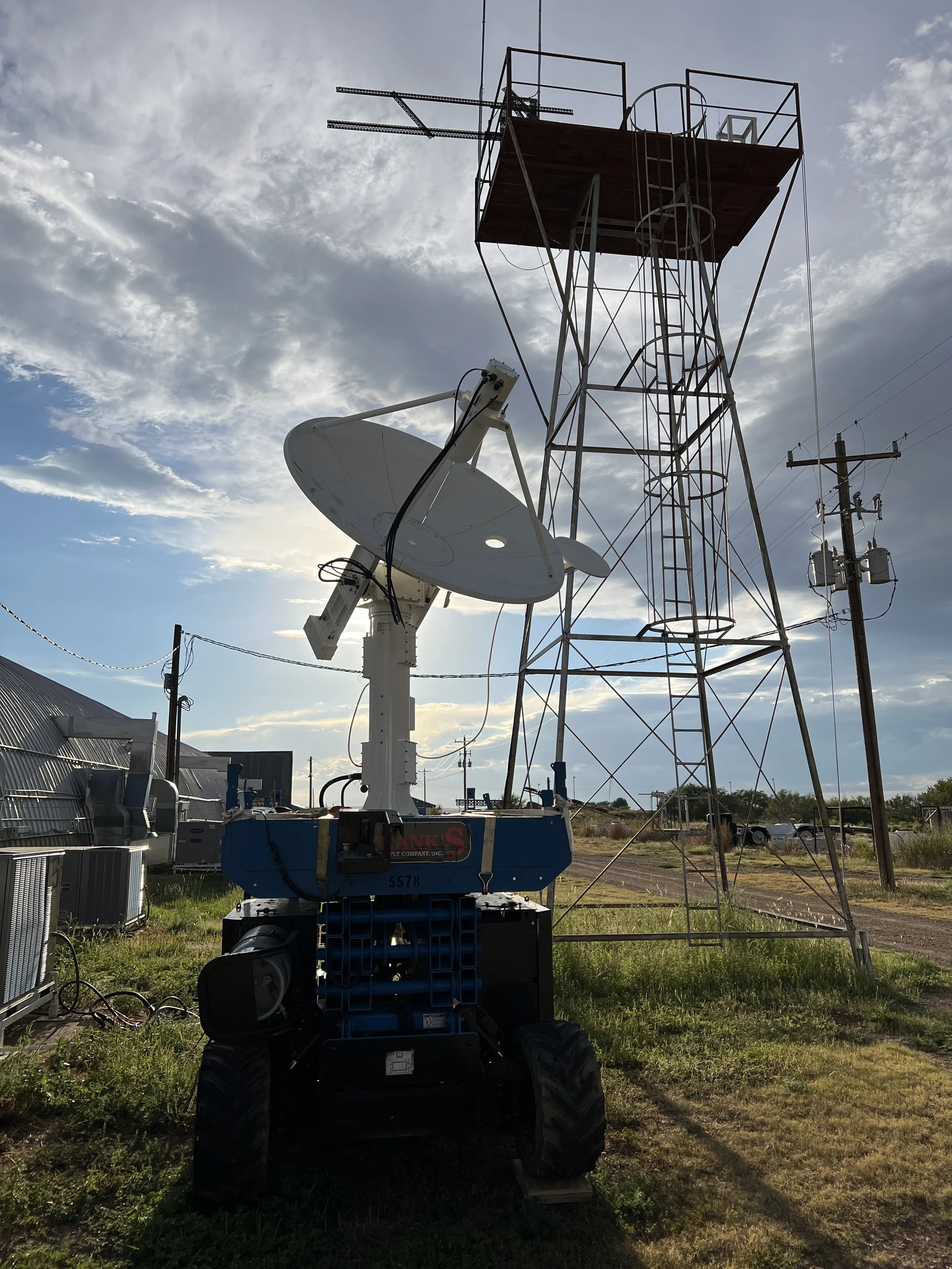
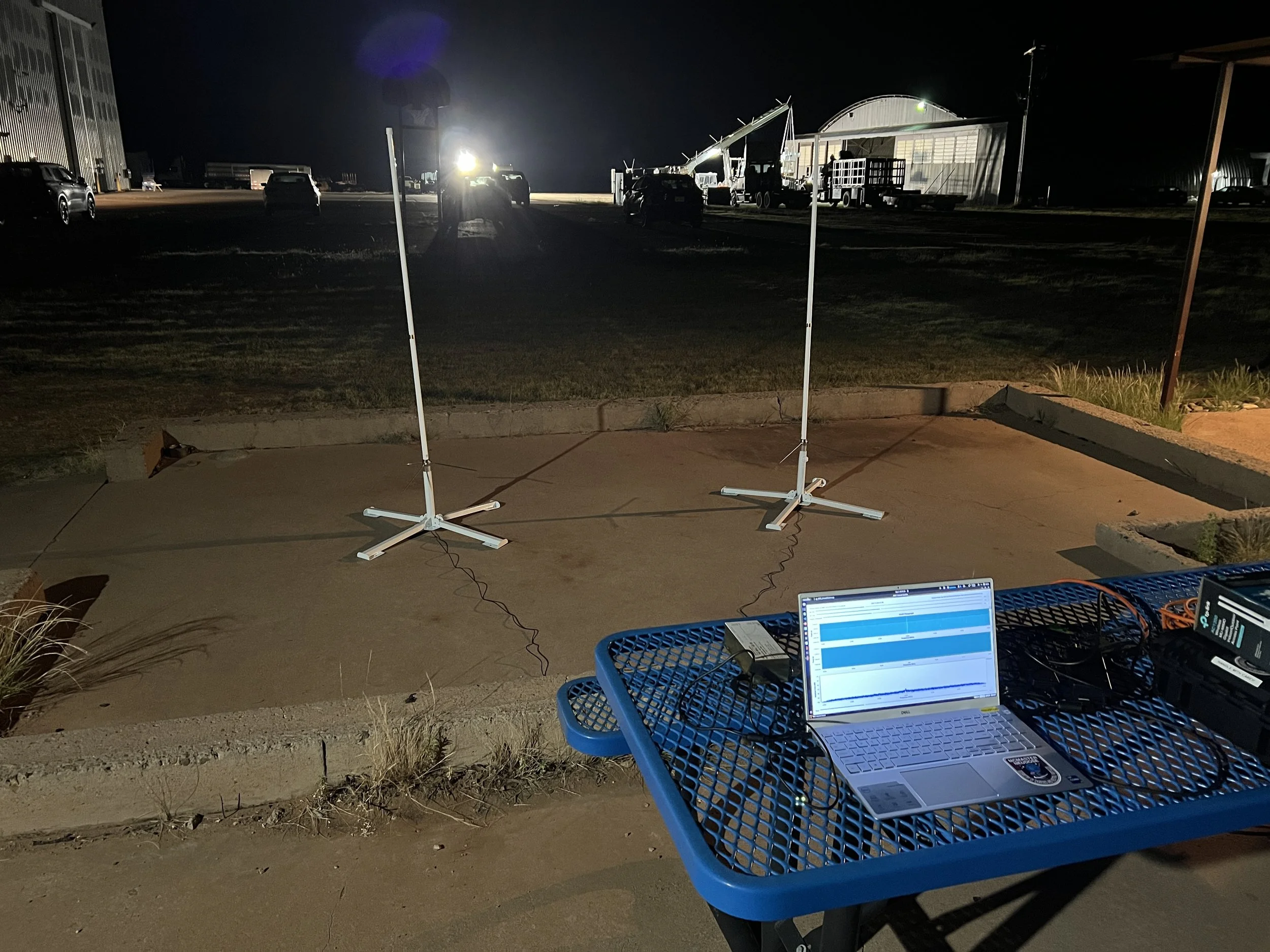
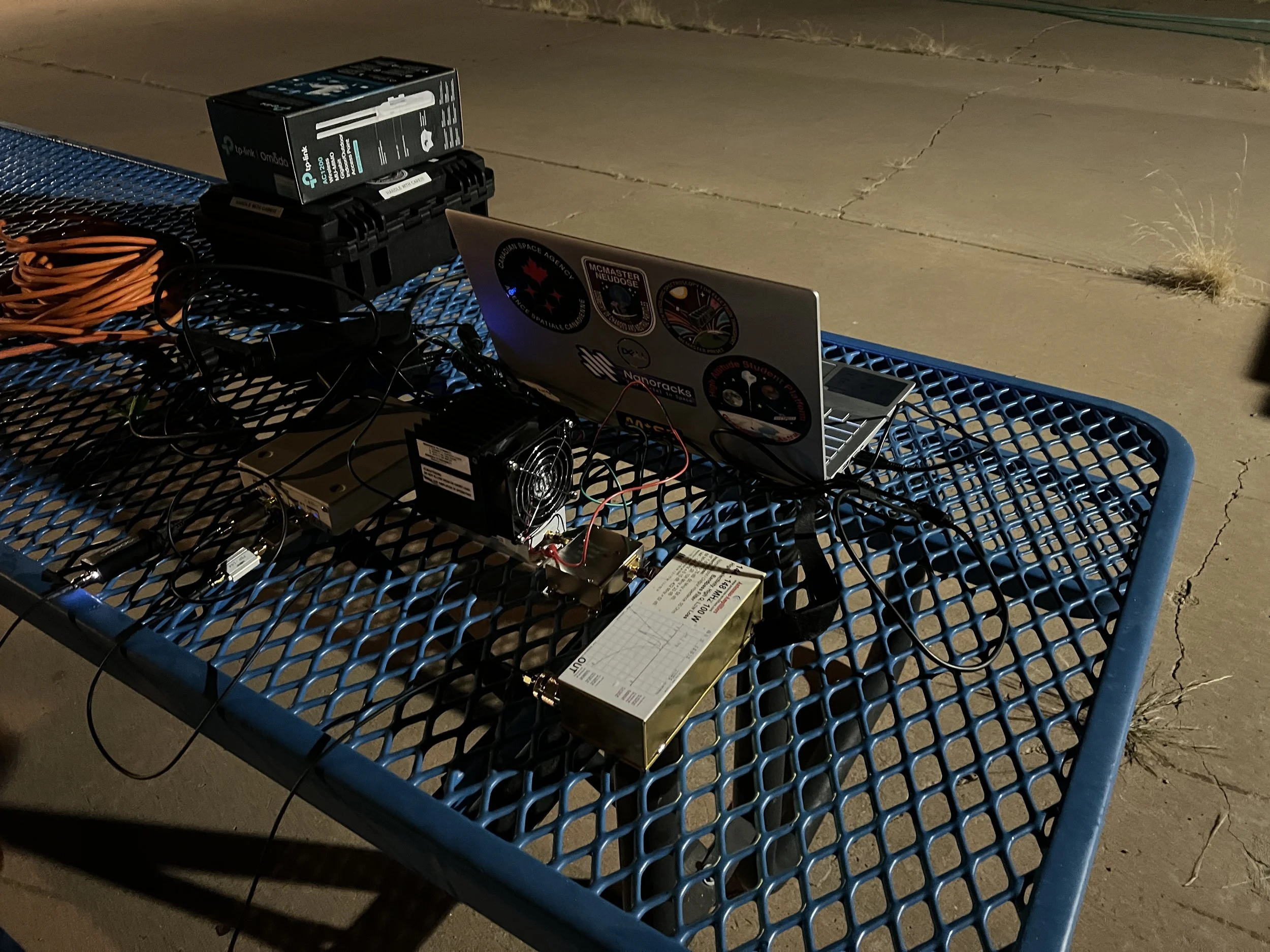
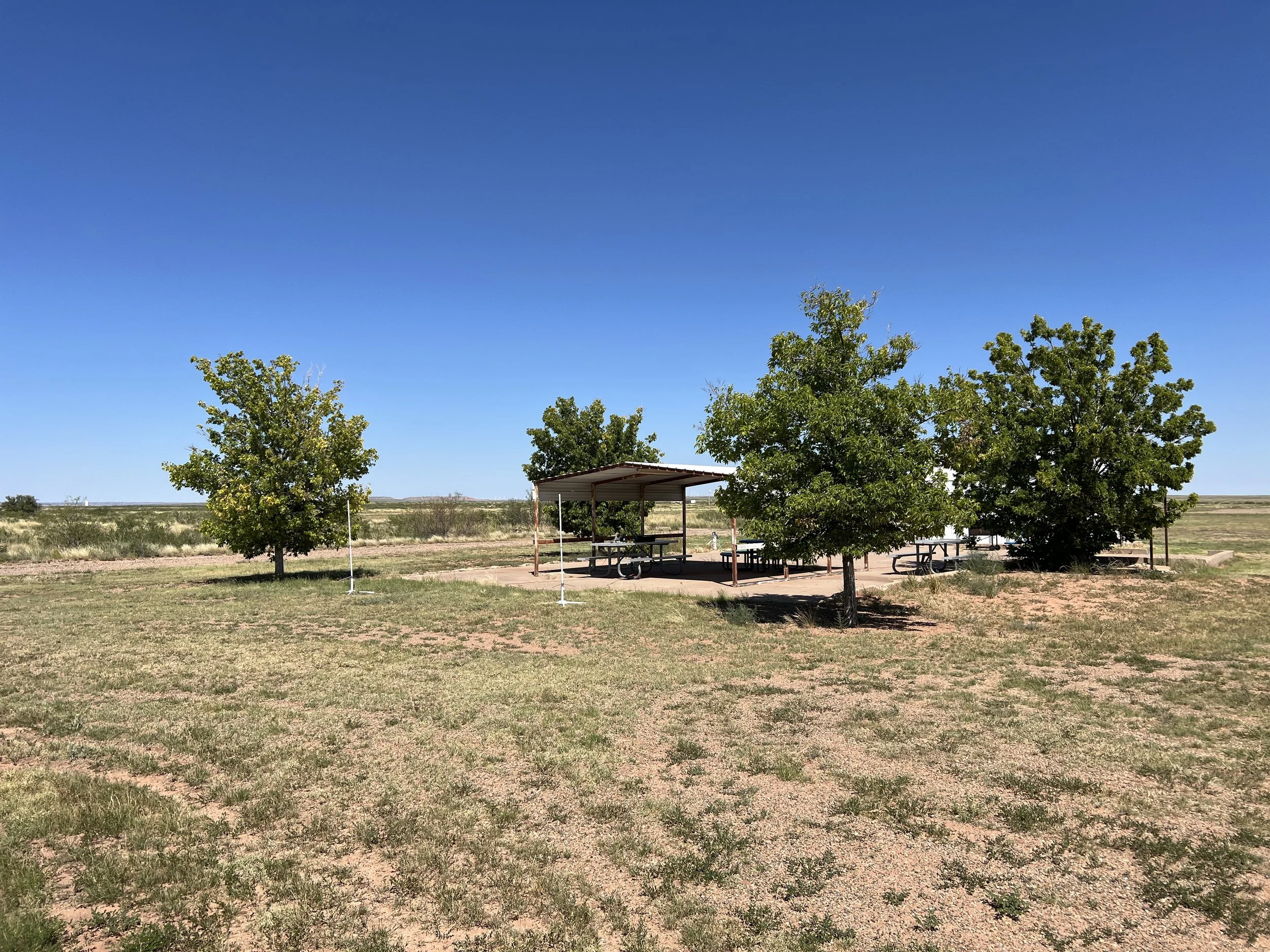
The flat geography of New Mexico makes it possible to set up a mobile ground station at the CSBF base and have a clear line of sight with the high-altitude balloon for hundreds of kilometres. Once the balloon payloads are powered on, we obtain approximately 10-20 hours of float time, during which we can attempt to establish communication with our payload. At the same time, payload telemetry is provided through CSBF, which allows for verification of our transmission and reception to our radios onboard.
Amateur Radio Licensing
A key objective of our MSTRI student-based team, MIST, is nurturing the next generation of skilled amateur radio operators. Through hands-on learning and training, students master radio operations within national and international regulations, including spacecraft control from Earth station. Students learn under the supervision of fellow amateur radio operators and experts in the RF field through the design and testing of novel communication radio systems to become amateur radio operators. Becoming an operator entails passing an amateur radio exam administered by an accredited Innovation, Science and Economic Development (ISED) examiner, leading to an amateur radio certificate with Basic, Basic with Honours, or Advanced credentials.
Operators then utilize our amateur radio club call signs to take benchtop laboratory-grade testing to field tests, where they gain valuable hands-on experience.
This licensing process would not be possible if it wasn’t for our friends in the Hamilton Amateur Radio Club.