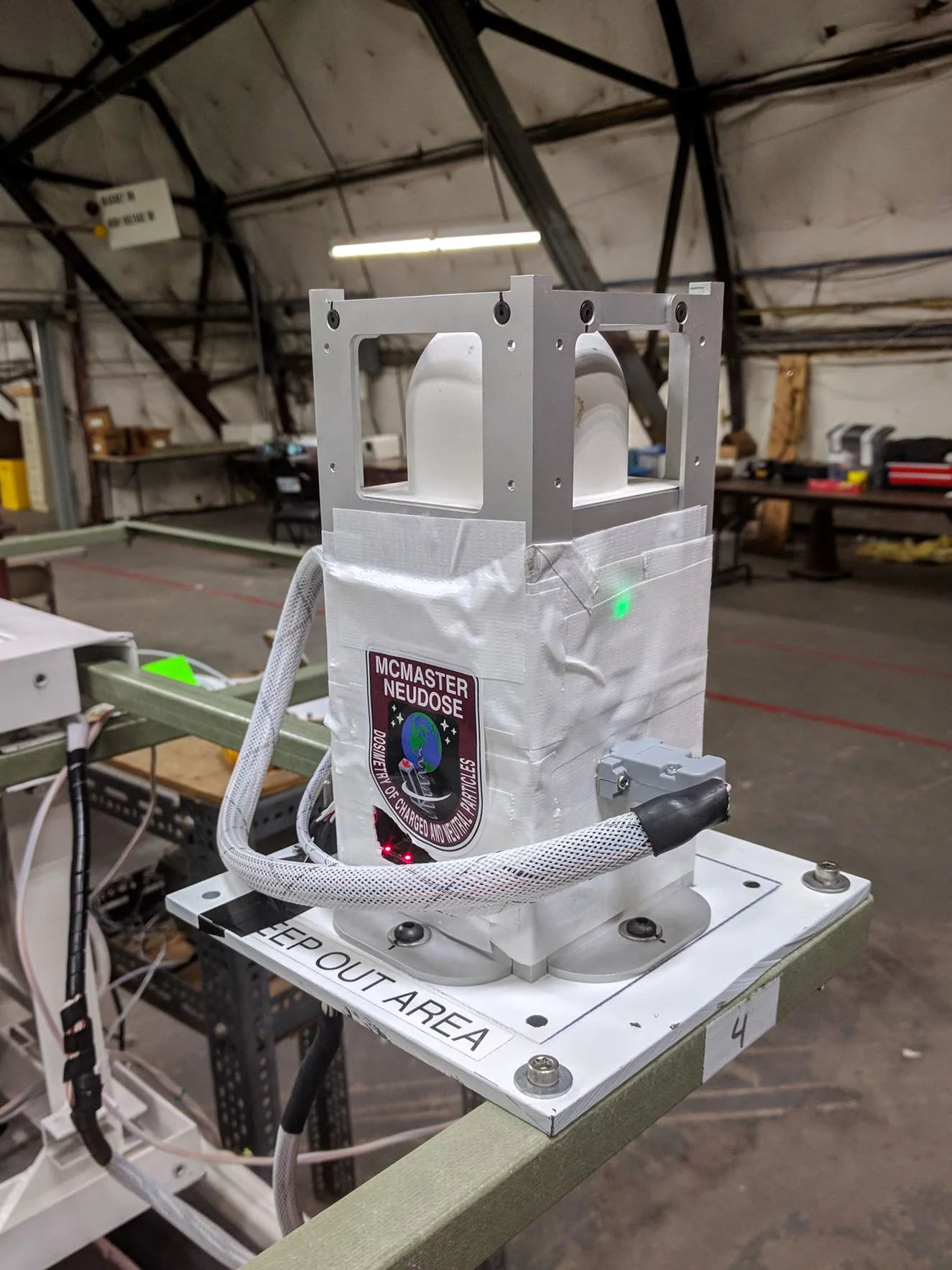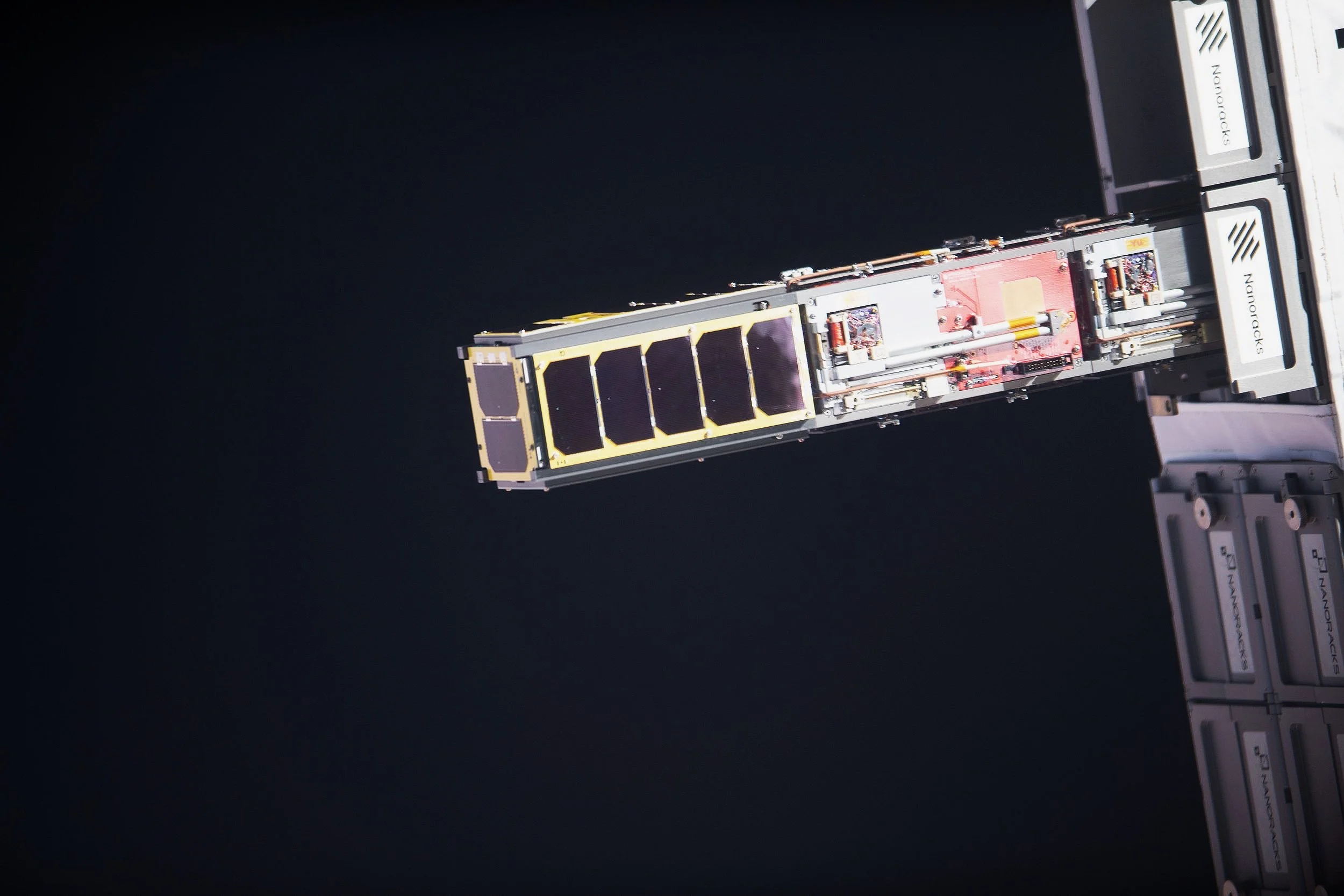
NEUDOSE
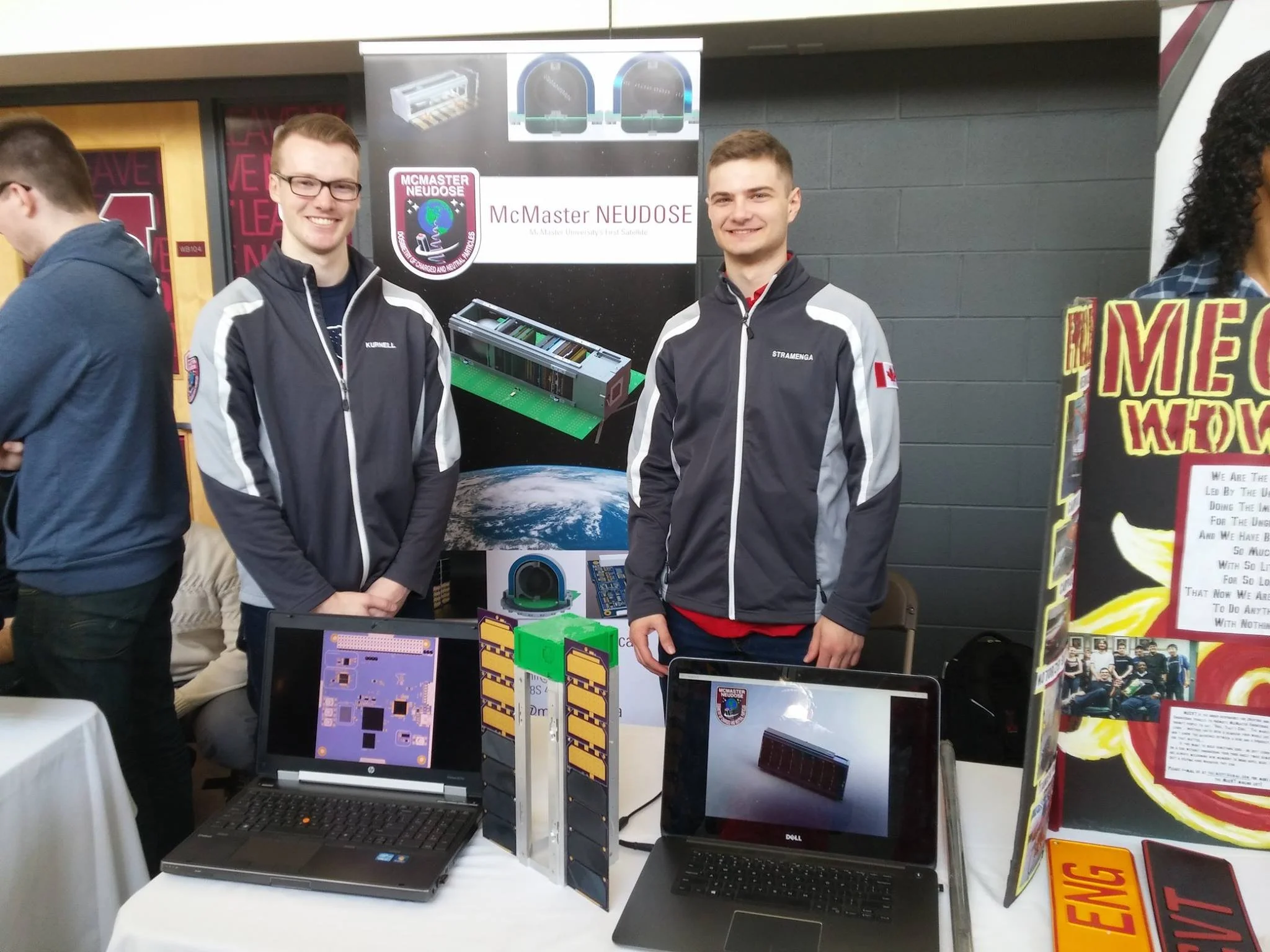
The first satellite mission from the McMaster Space Technology Research Initiative (MSTRI), developed in collaboration with the Canadian Space Agency and NASA.
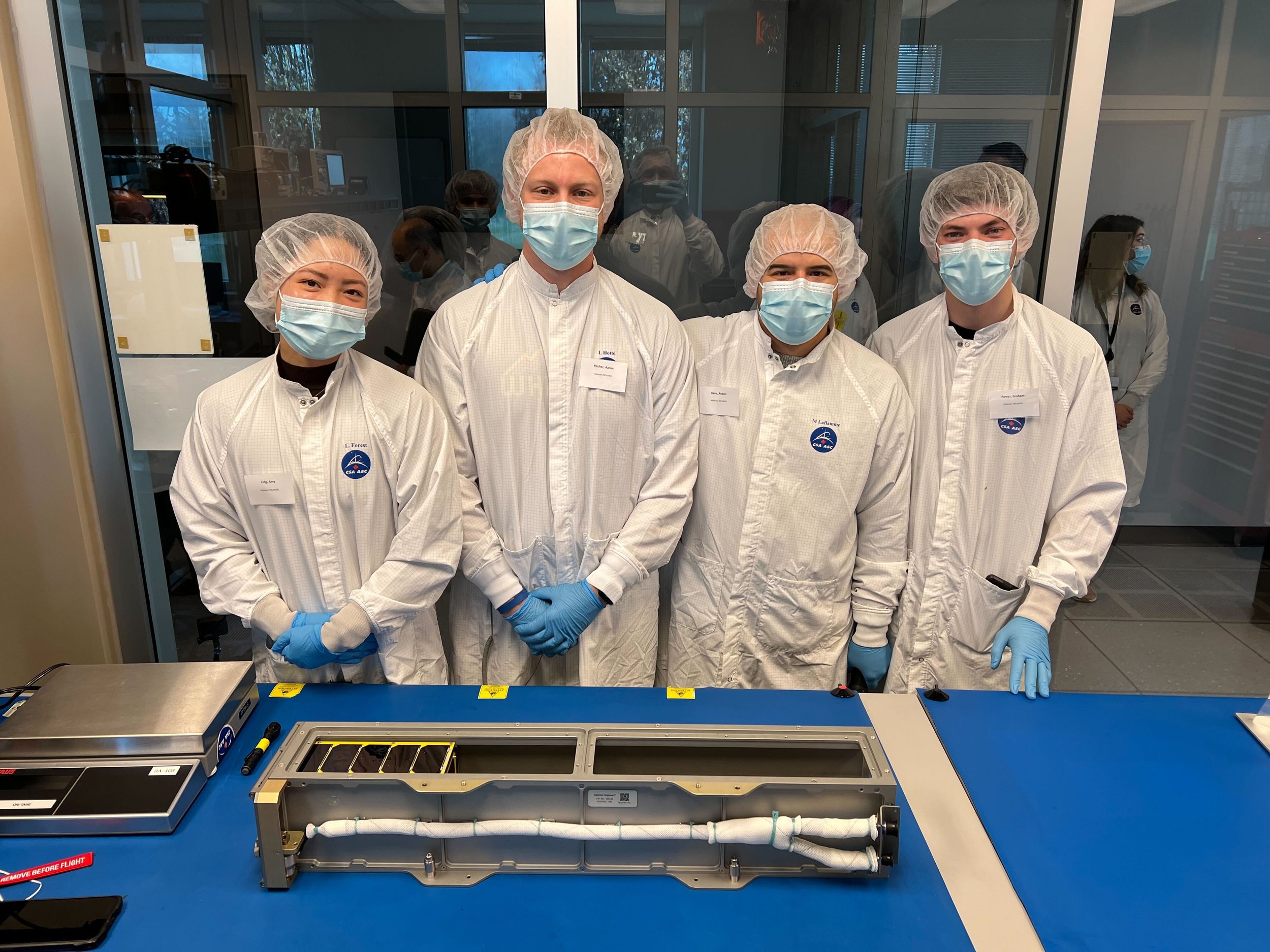
NEUDOSE conducted Neutron Dosimetry experiments to assess radiation exposure in Low Earth Orbit and investigated its long-term effects on human health, providing valuable insights for space exploration. Contributed to the training of over 200 students involved in its design, development, and testing.
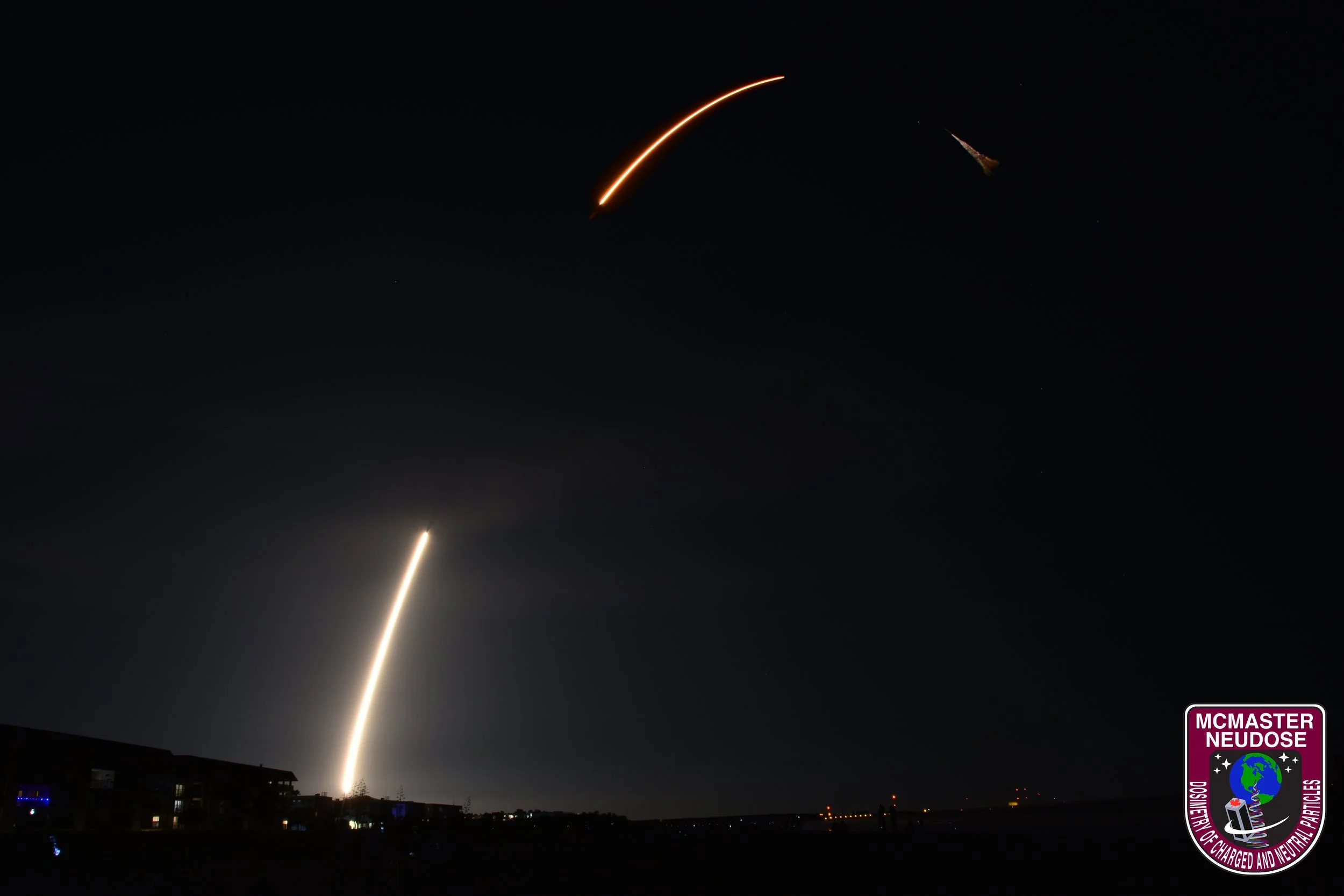
The Journey of NEUDOSE
A Historic Milestone in Space Research
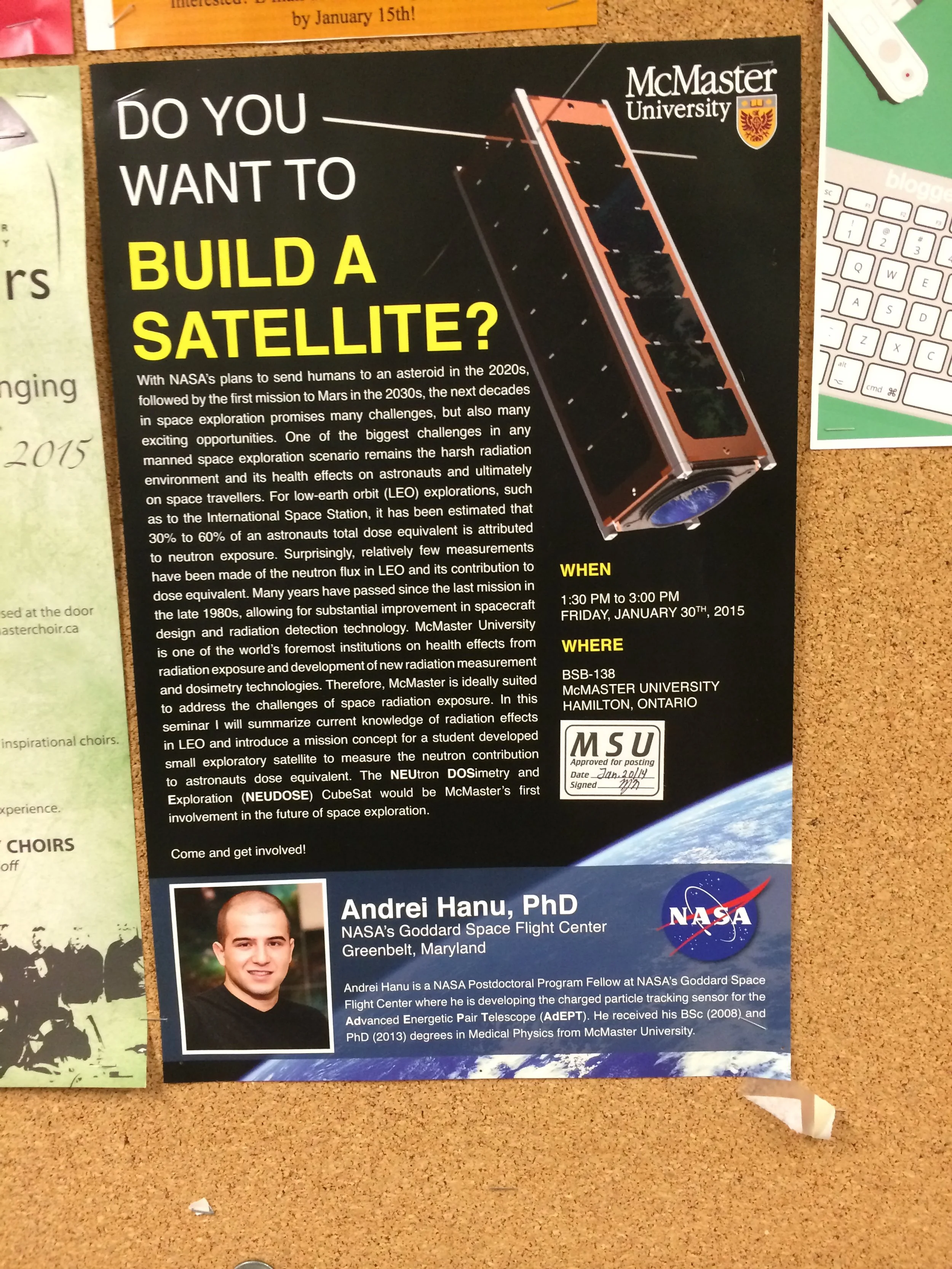
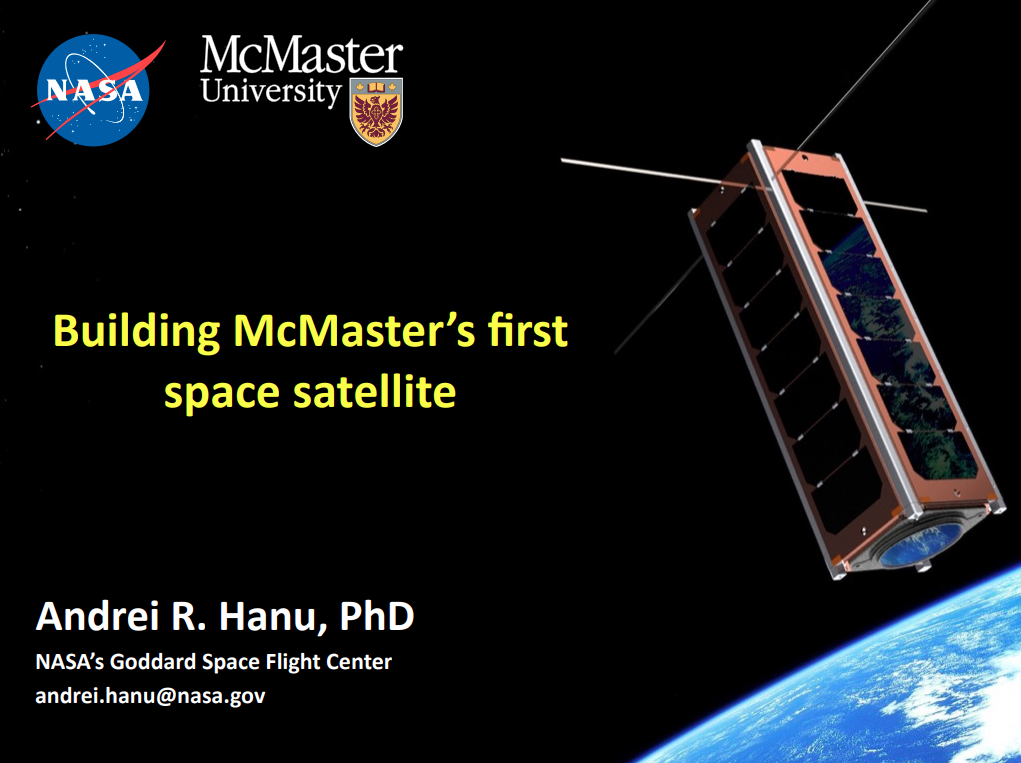
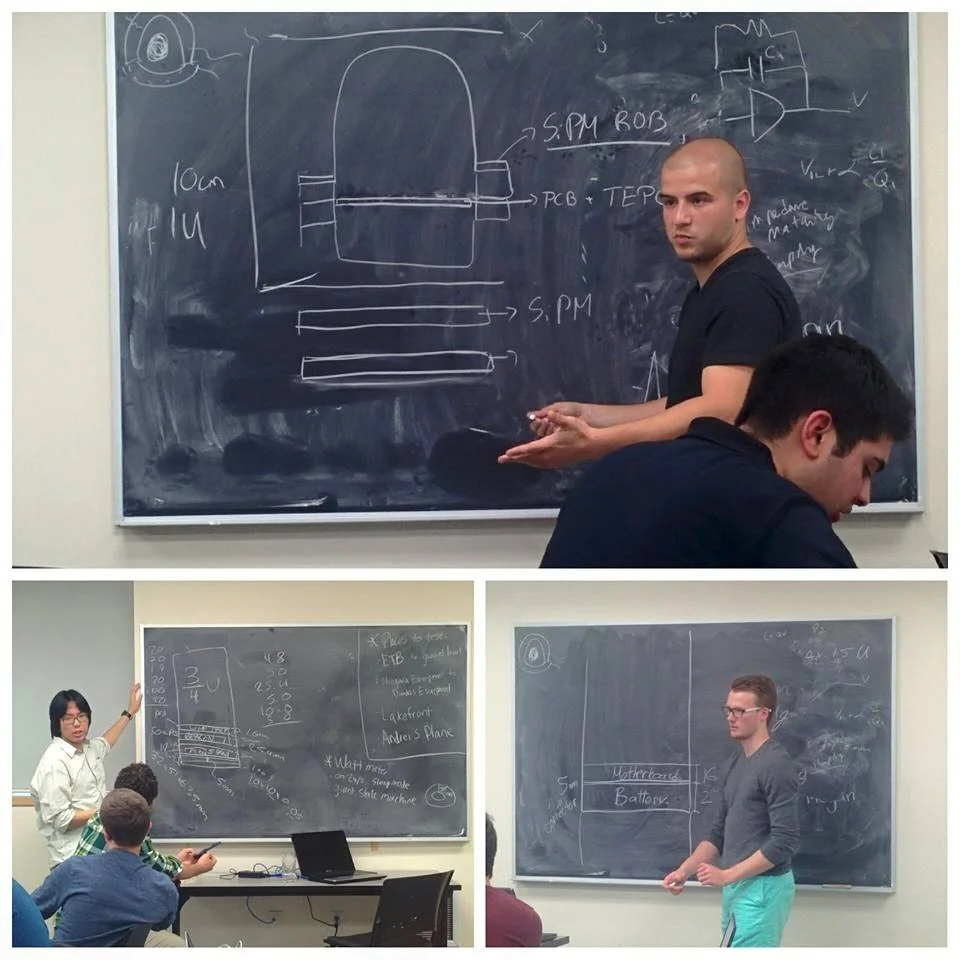
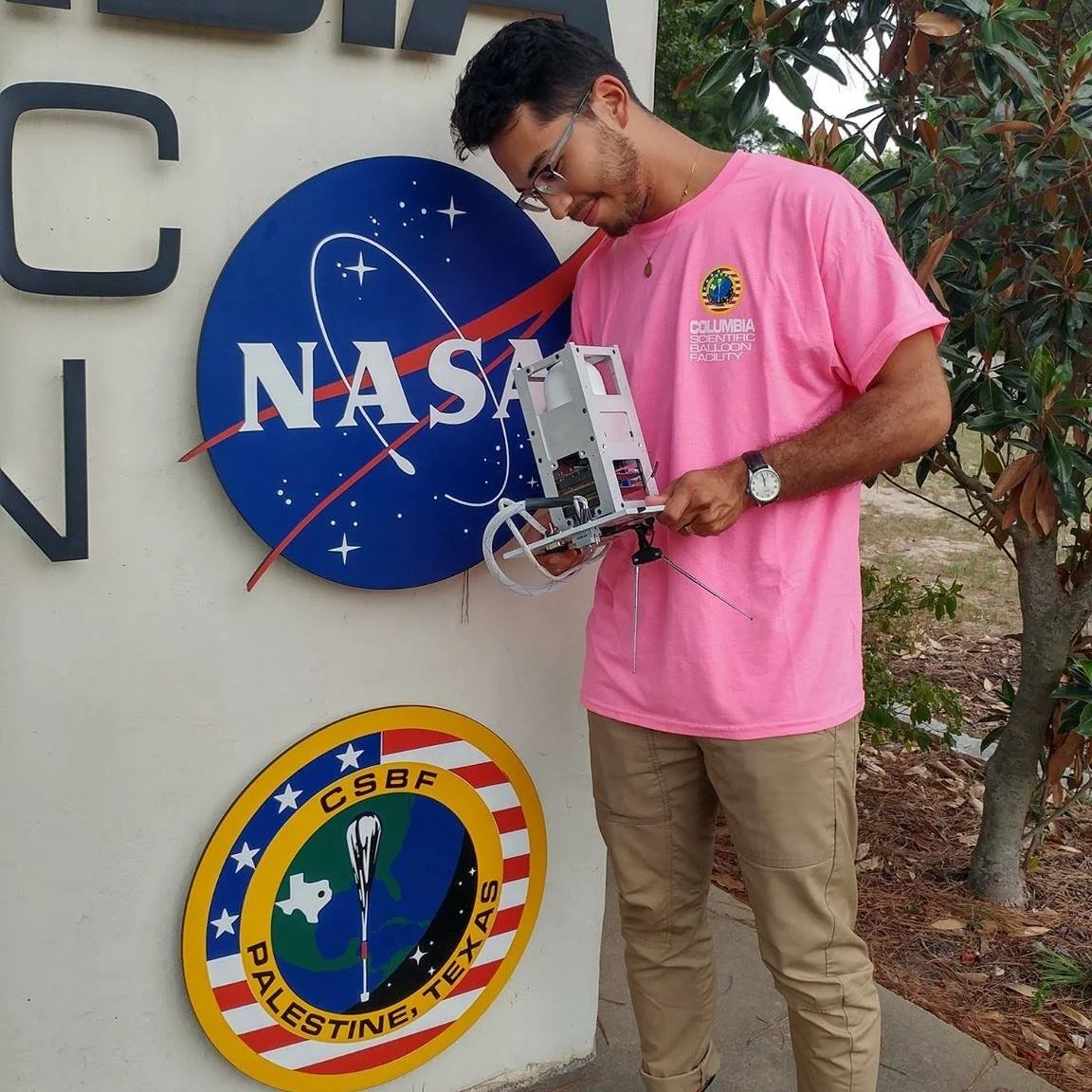
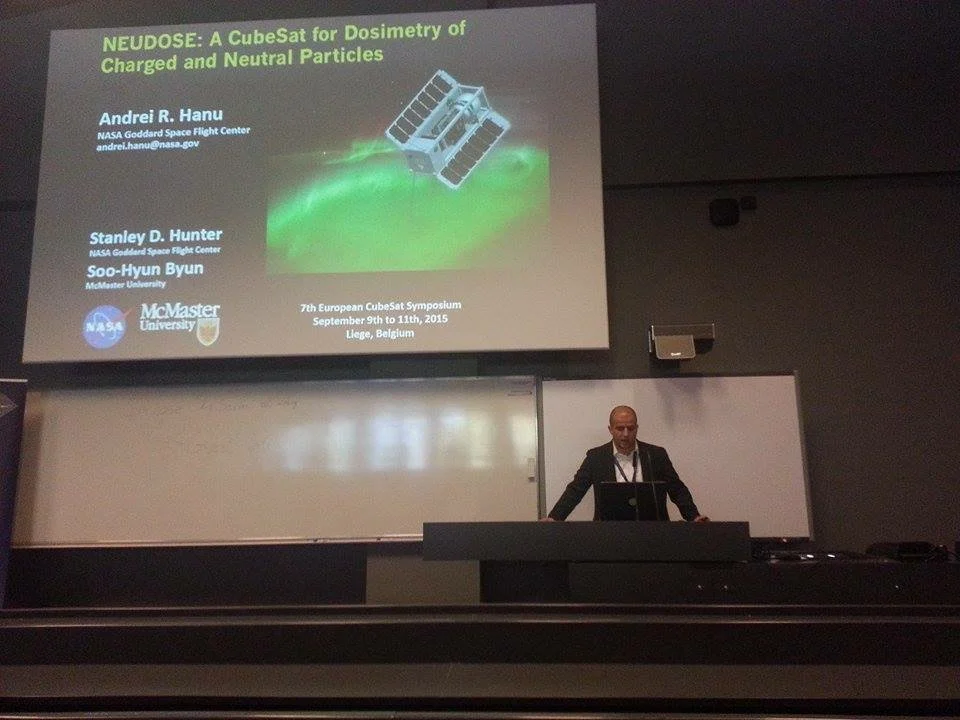
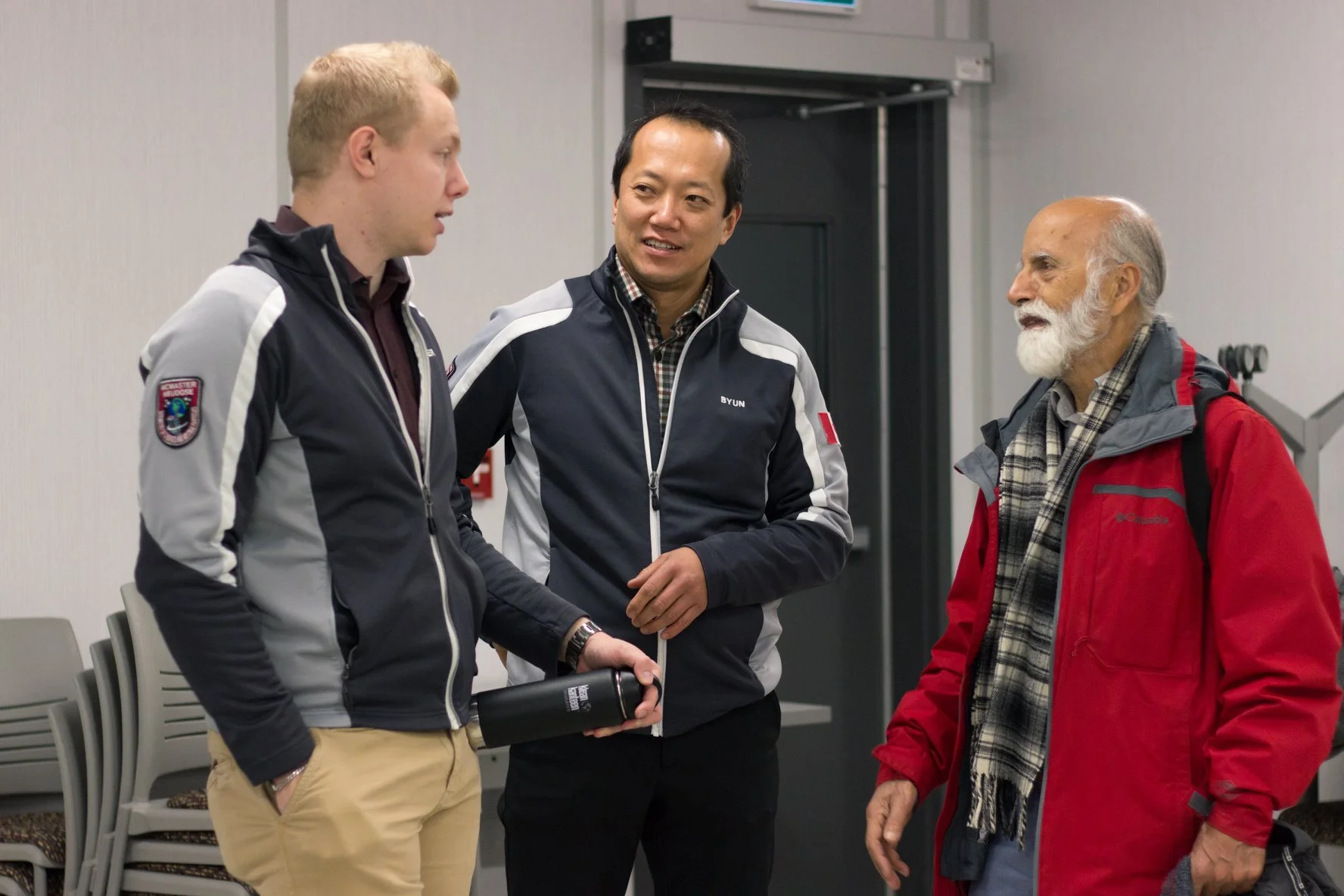
The NEUDOSE (NEUtron DOSimetry & Exploration) project began its journey in October 2014 when Dr. Andrei Hanu, then a researcher at NASA’s Goddard Space Flight Center, developed the concept for McMaster University’s first satellite mission. Collaborating with his former PhD supervisor, Dr. Soo Hyun Byun, they launched the NEUDOSE initiative on January 31, 2015. This ambitious project aimed to create a CubeSat designed for Neutron Dosimetry experiments, marking a significant step in understanding radiation exposure in space.
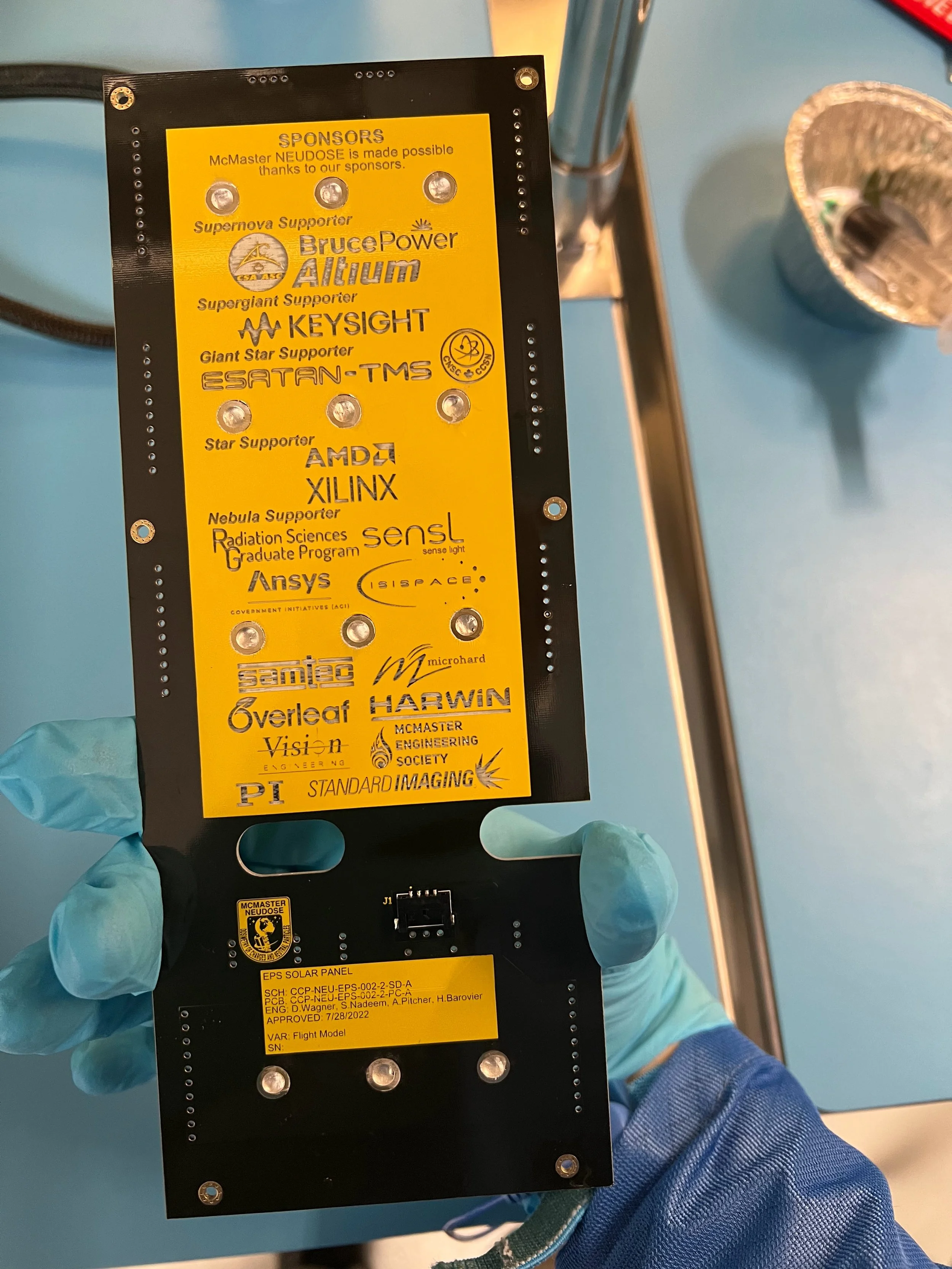
In May 2018, the Canadian Space Agency selected NEUDOSE for flight as part of the Canadian CubeSat Project (CCP). The mission also received financial backing from the Canadian nuclear industry, with contributions from organizations such as Bruce Power, the Nuclear Innovation Institute (NII), CANDU Owners Group (COG), and the Canadian Nuclear Safety Commission (CNSC). Additionally, it benefited from countless supporters who donated equipment, software, raw materials, expertise, and more.
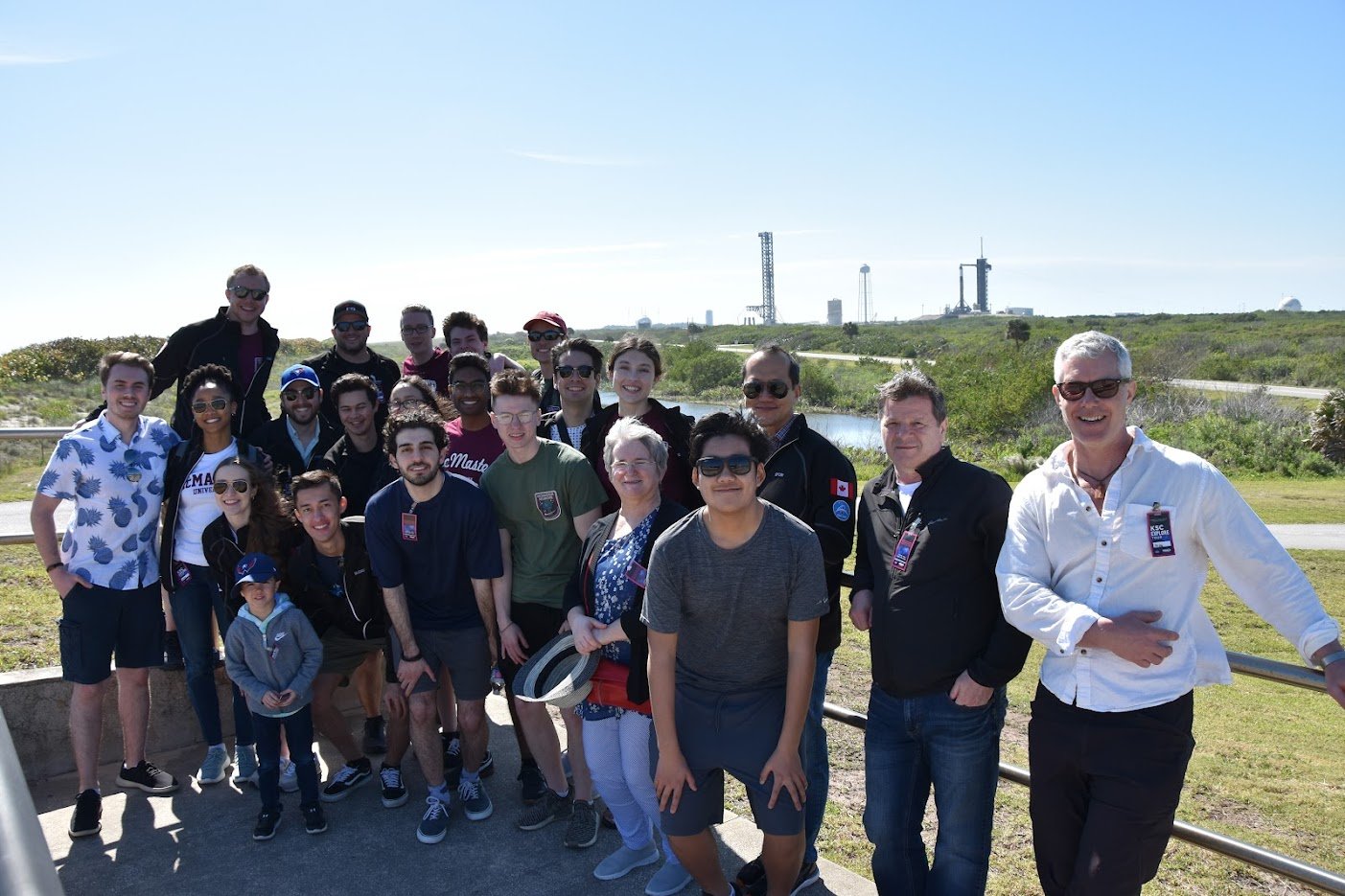
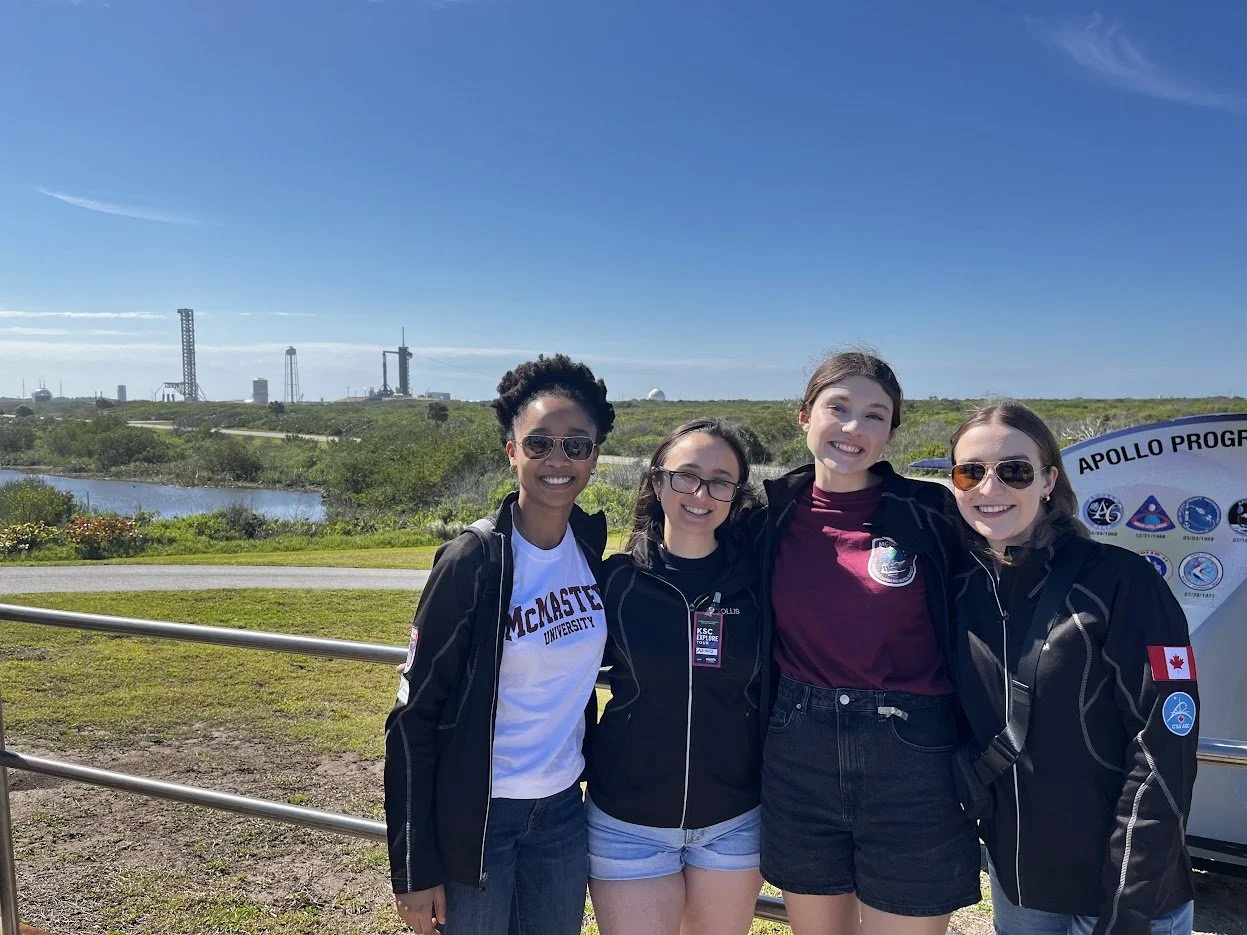
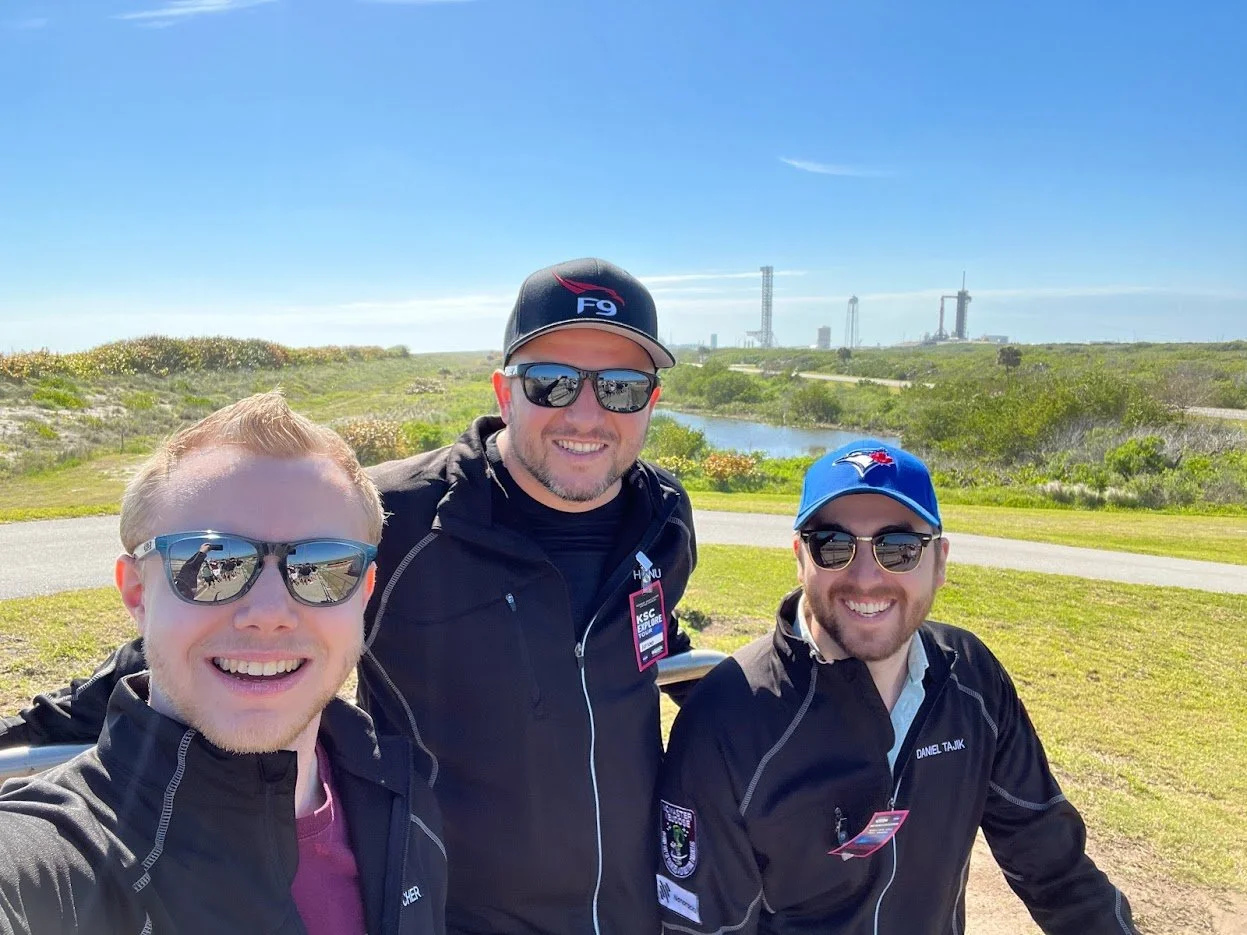
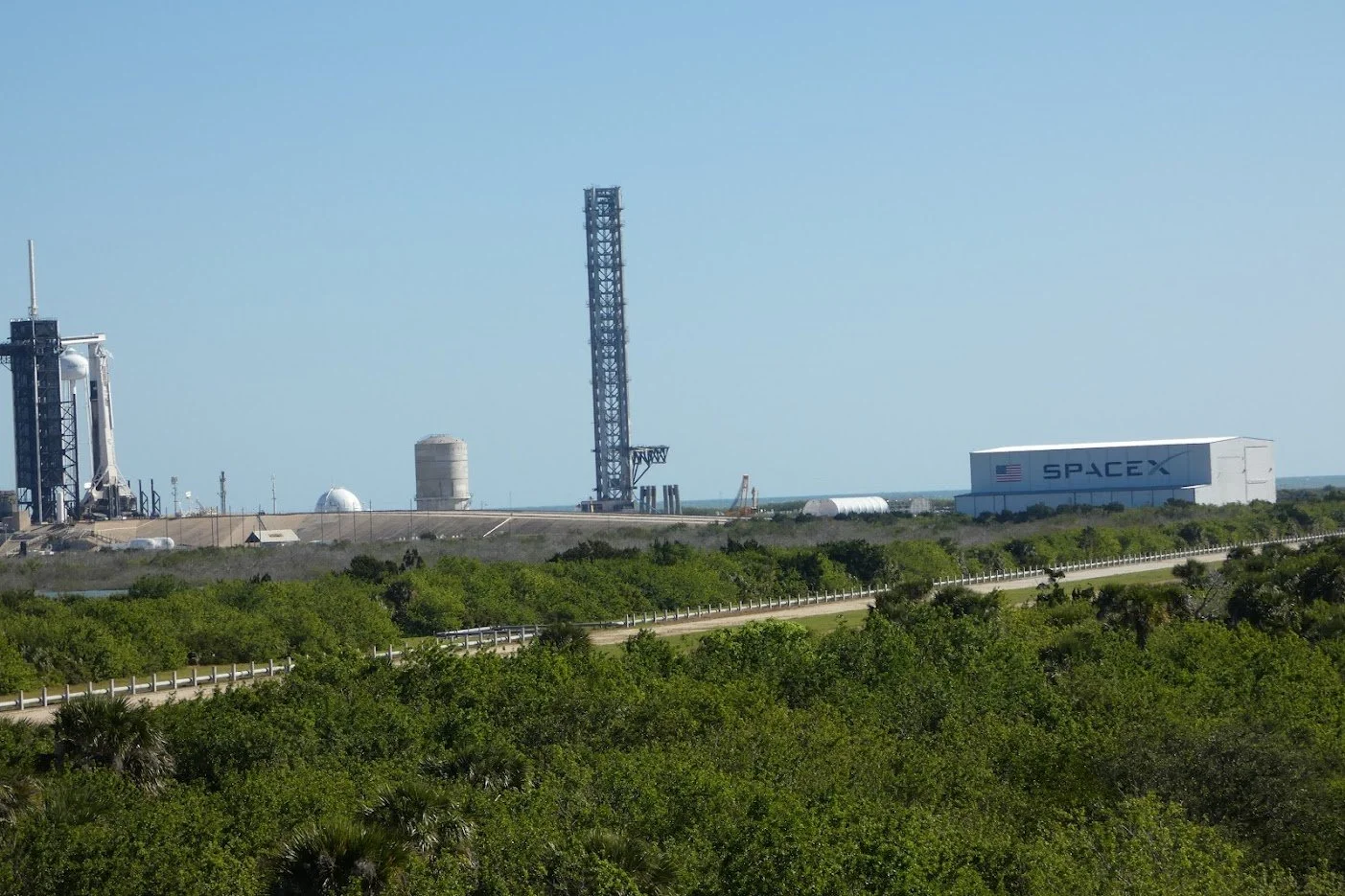
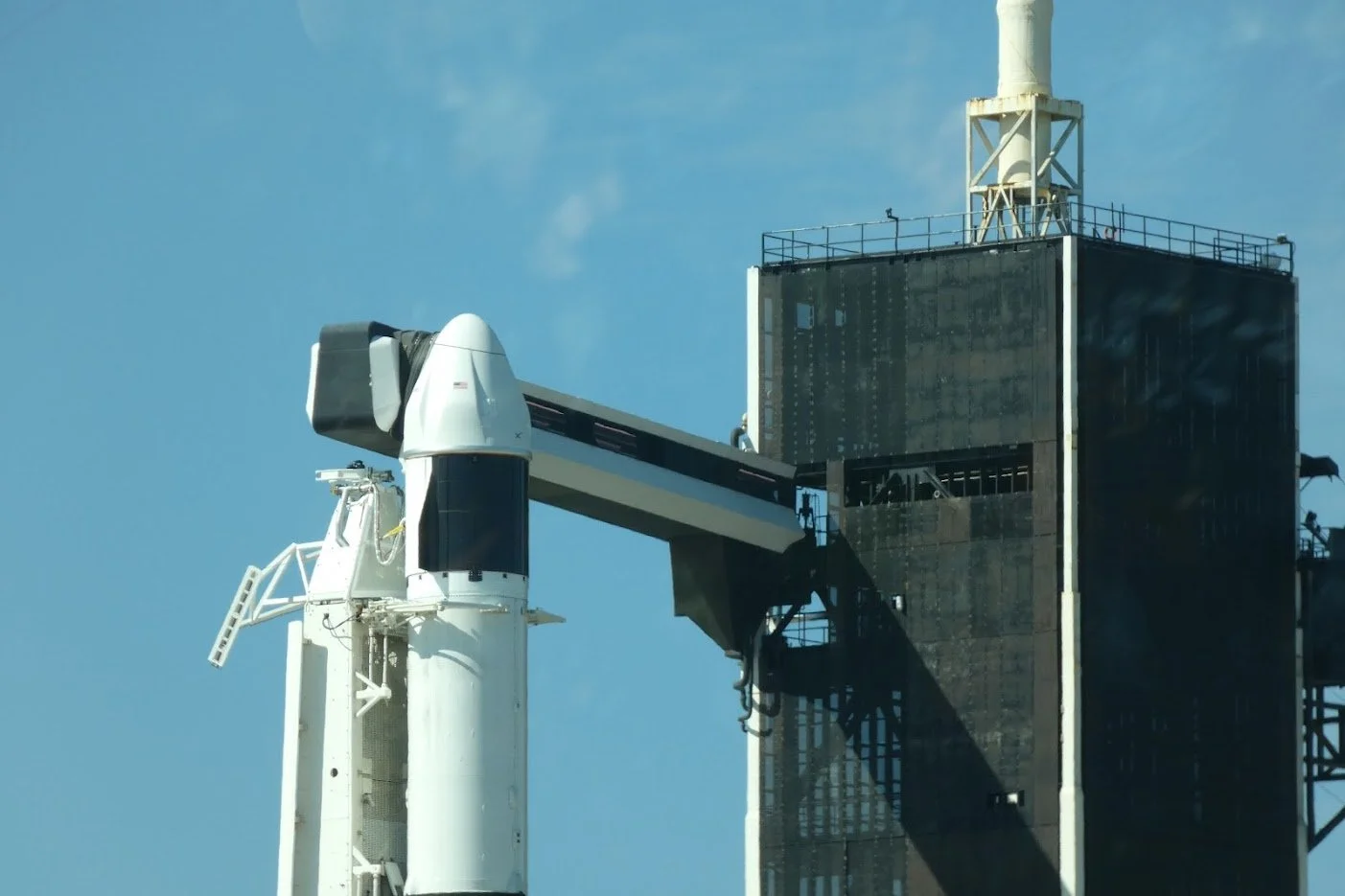
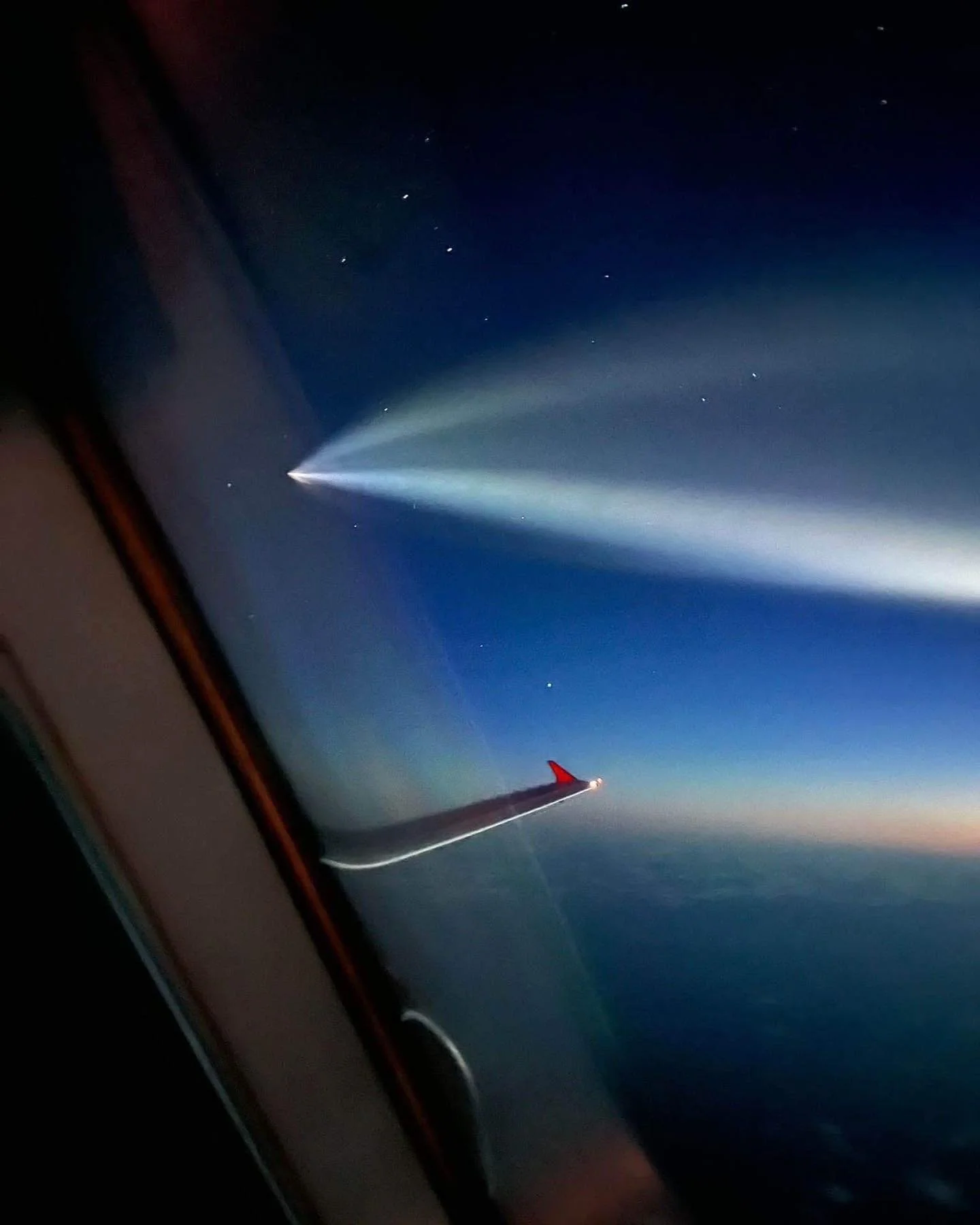
On March 15, 2023, NEUDOSE was launched to the International Space Station (ISS) aboard a SpaceX Falcon 9 rocket from NASA’s Kennedy Space Center as part of the Dragon’s 27th Commercial Resupply Services mission (CRS-27). It was deployed from the ISS on April 24, 2023, at 12:15 UTC, with the first signals received by amateur radio operators over southern Australia just 36 minutes after deployment.
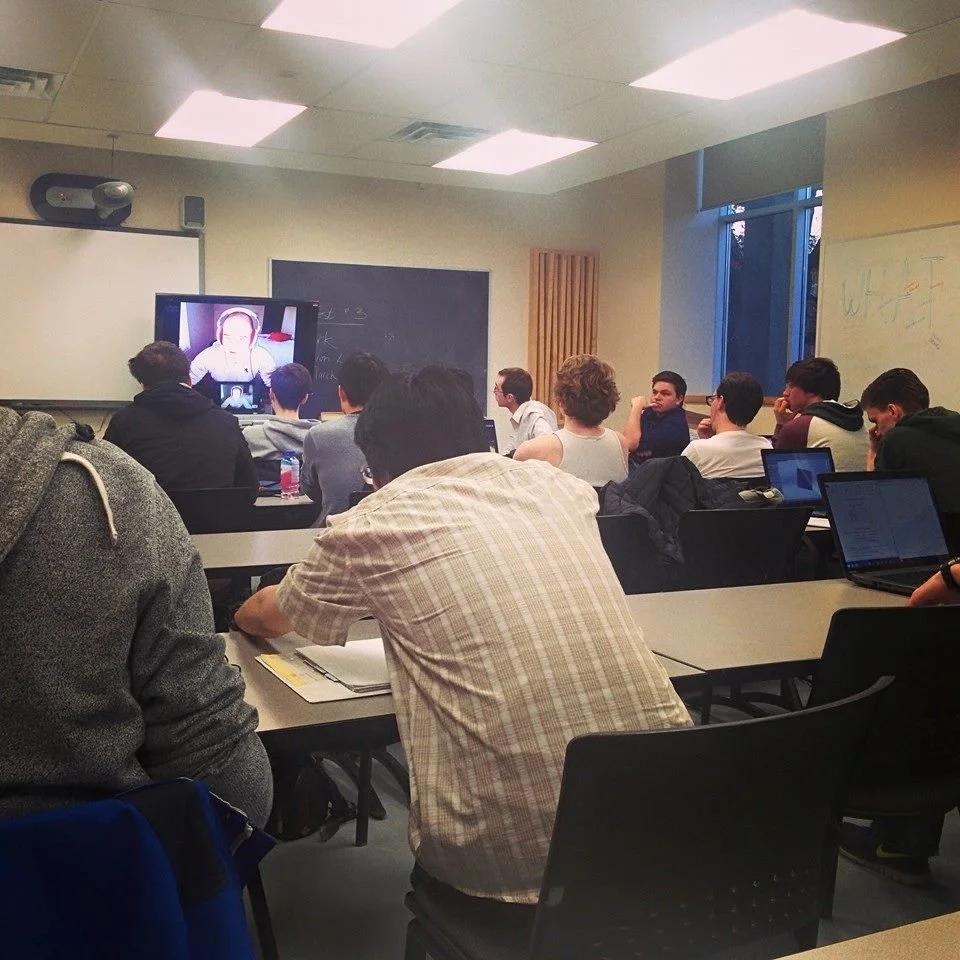
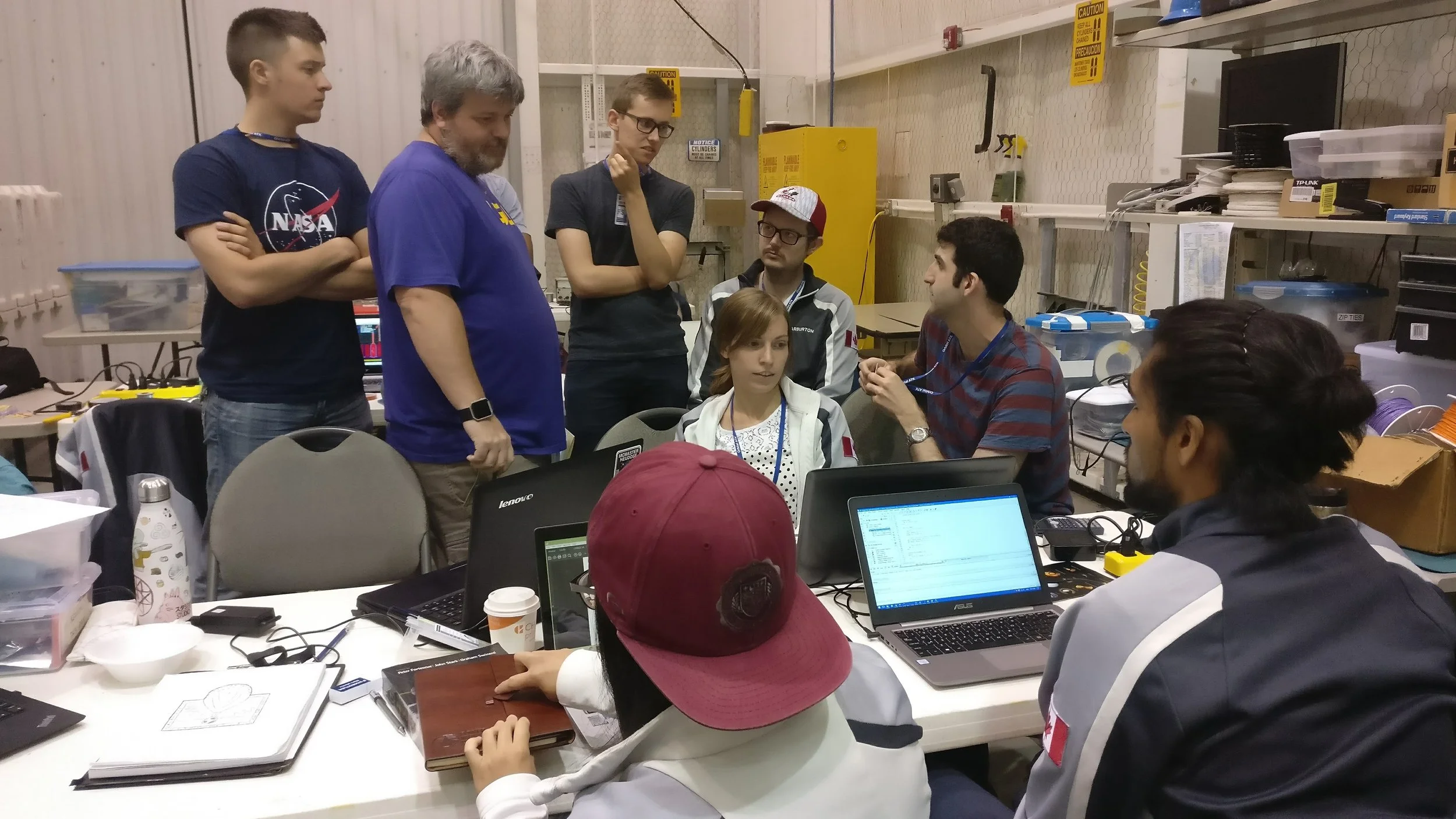
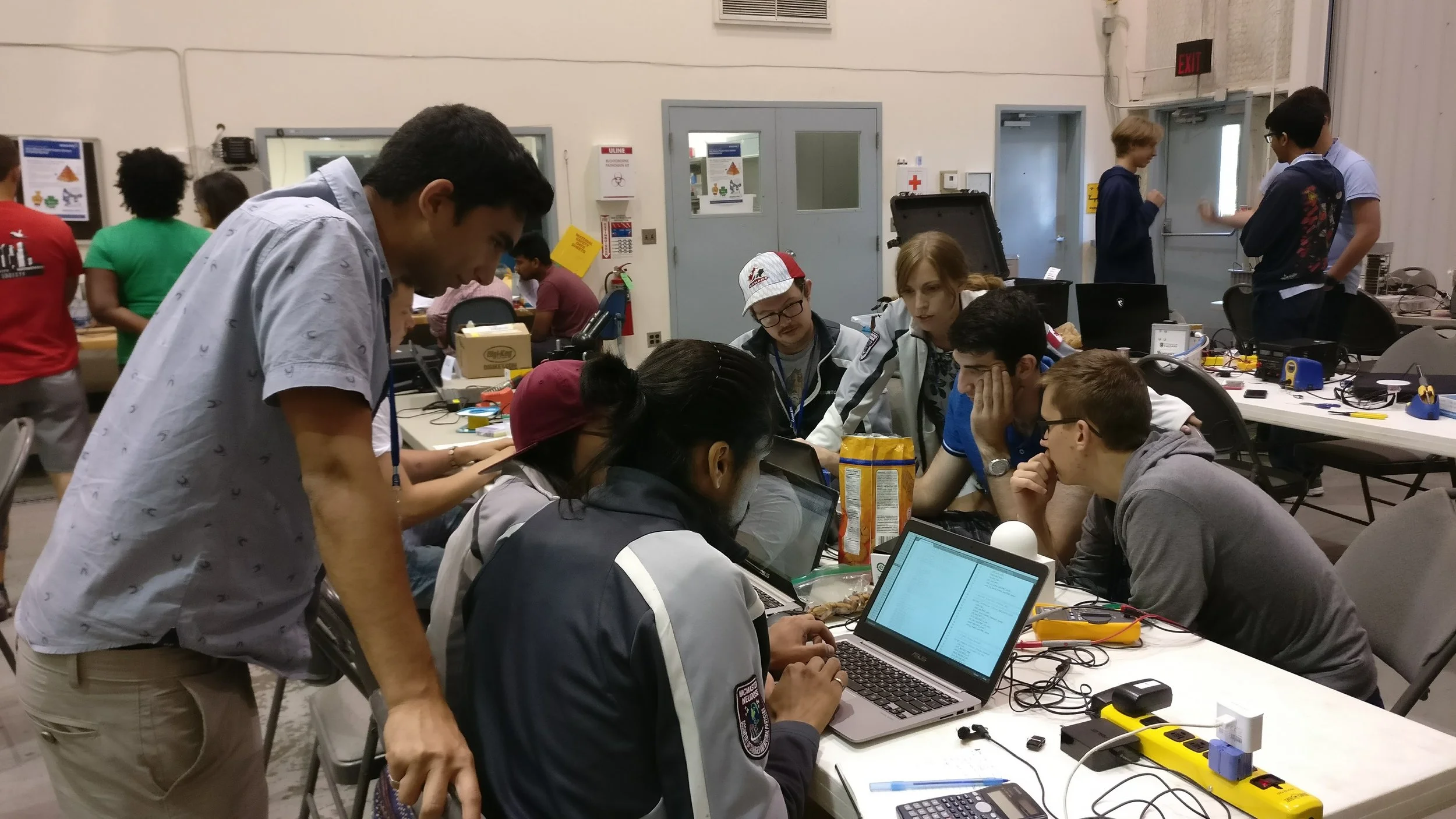
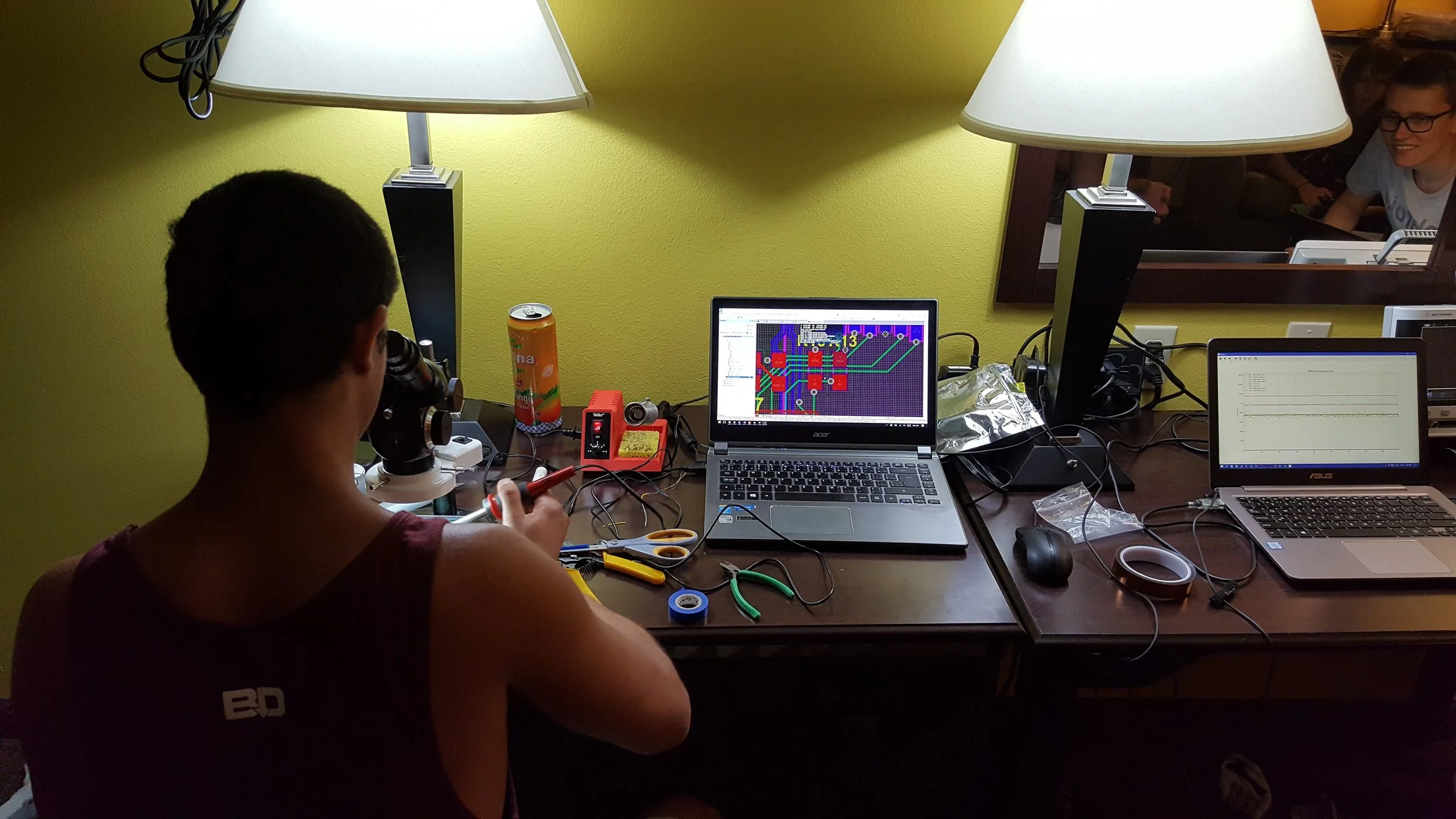
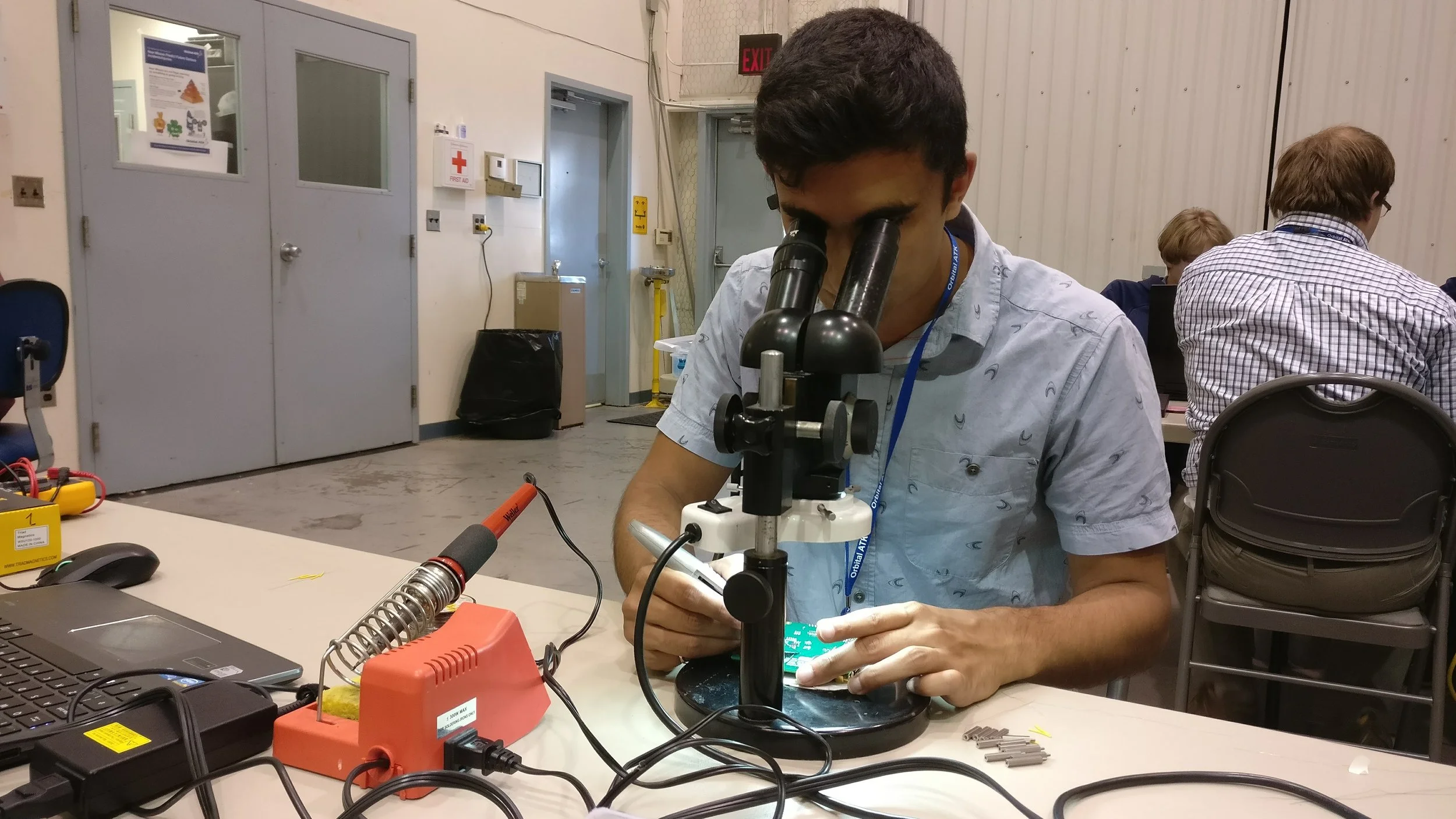
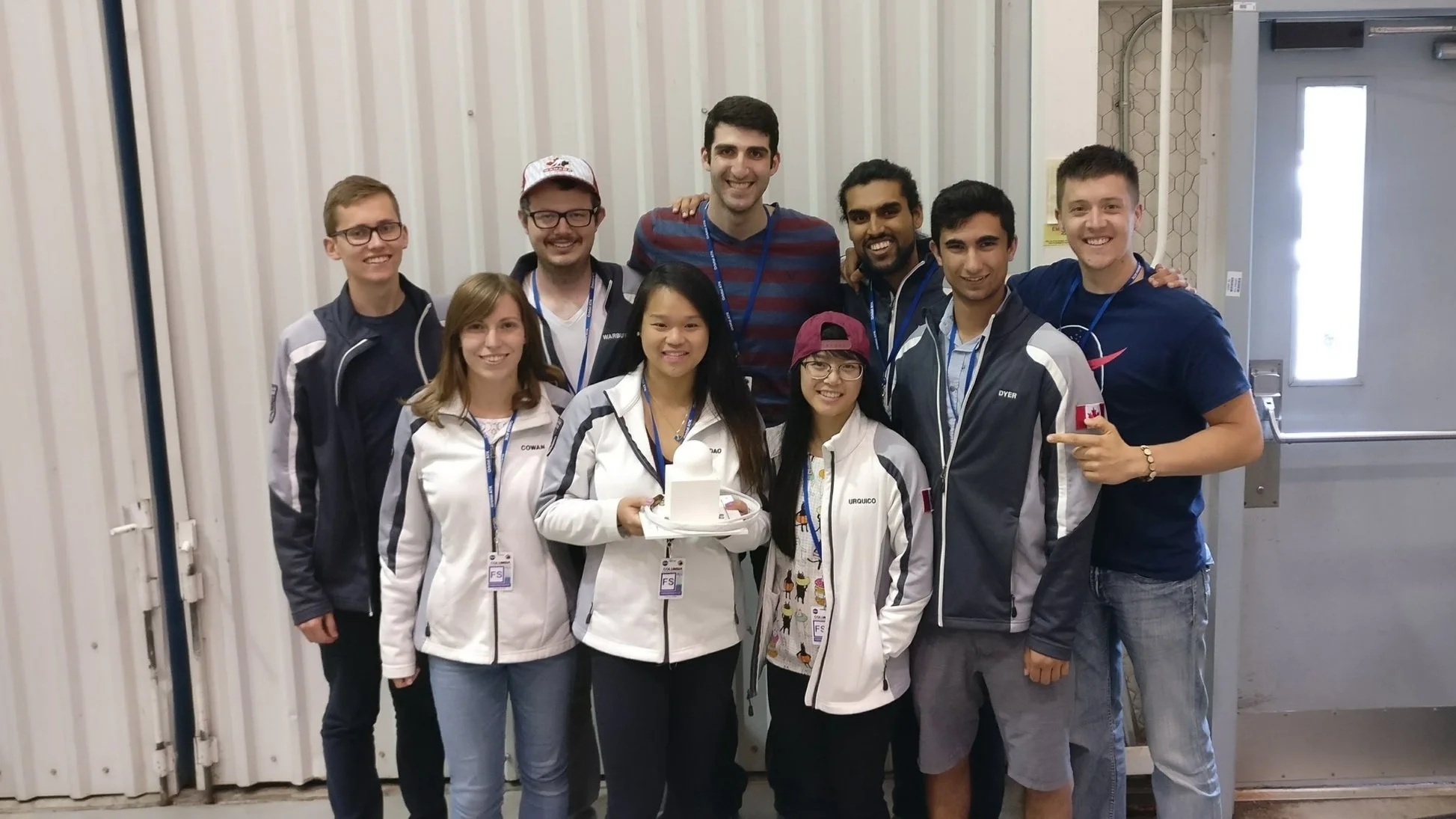
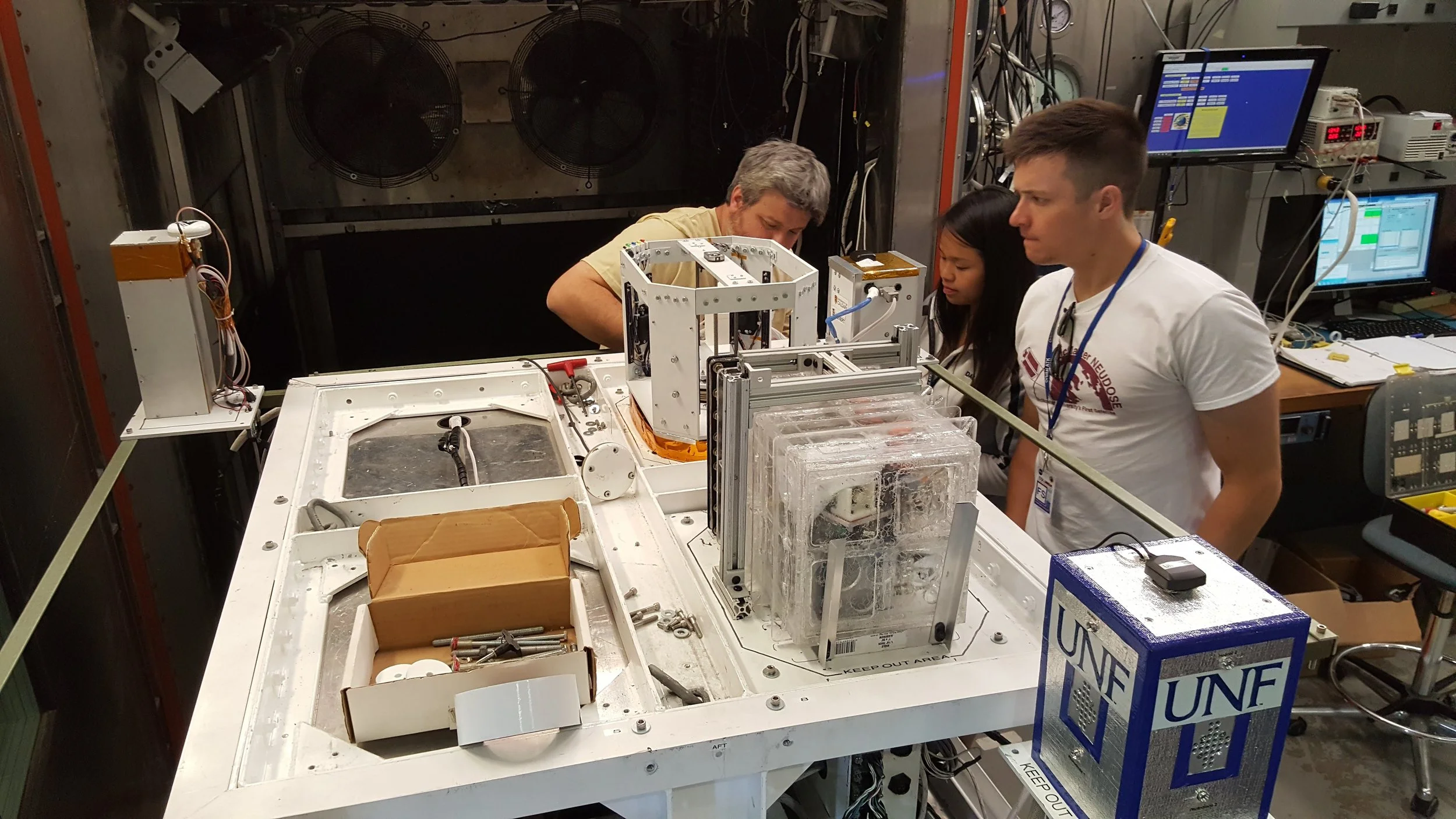
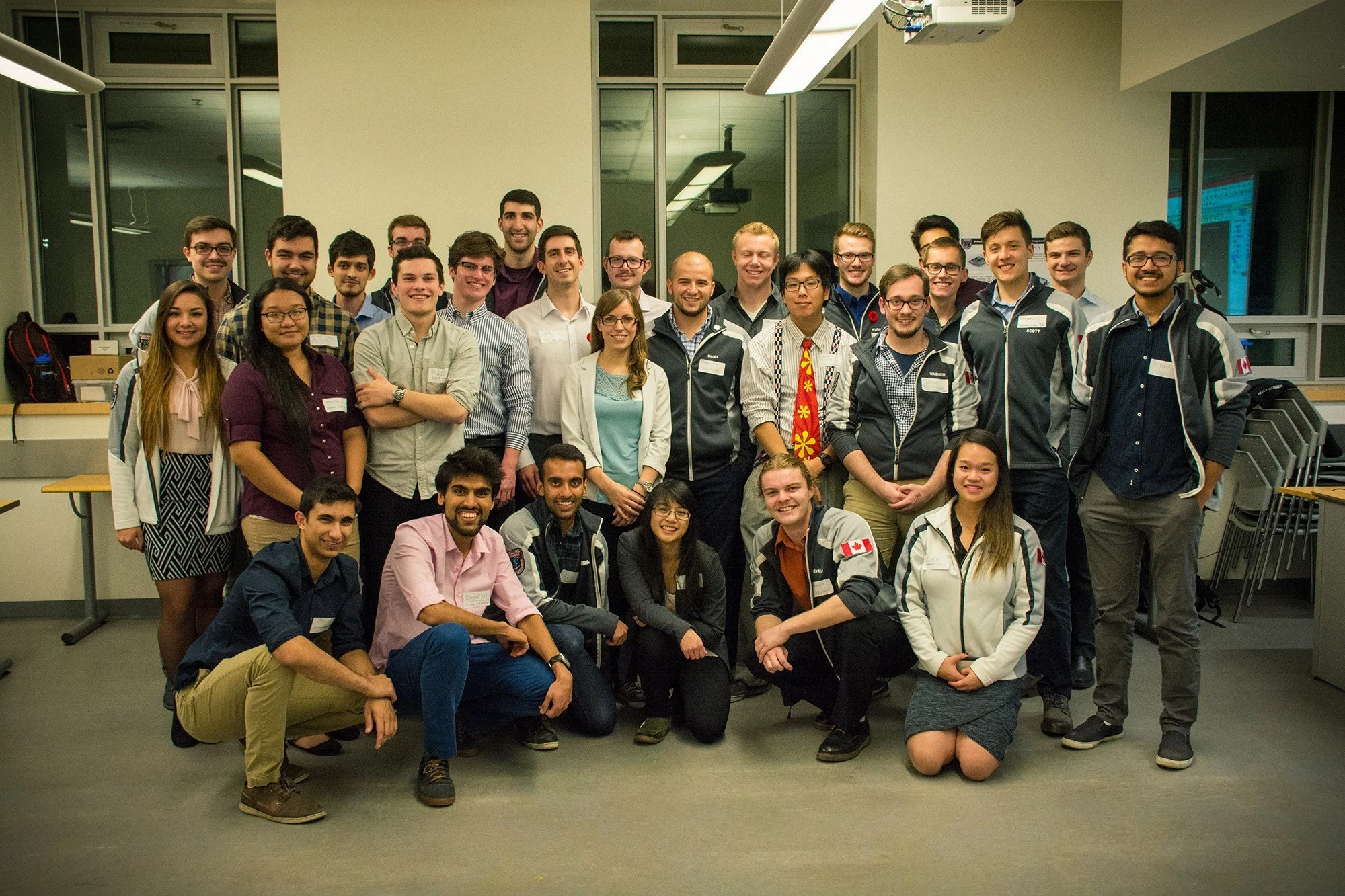
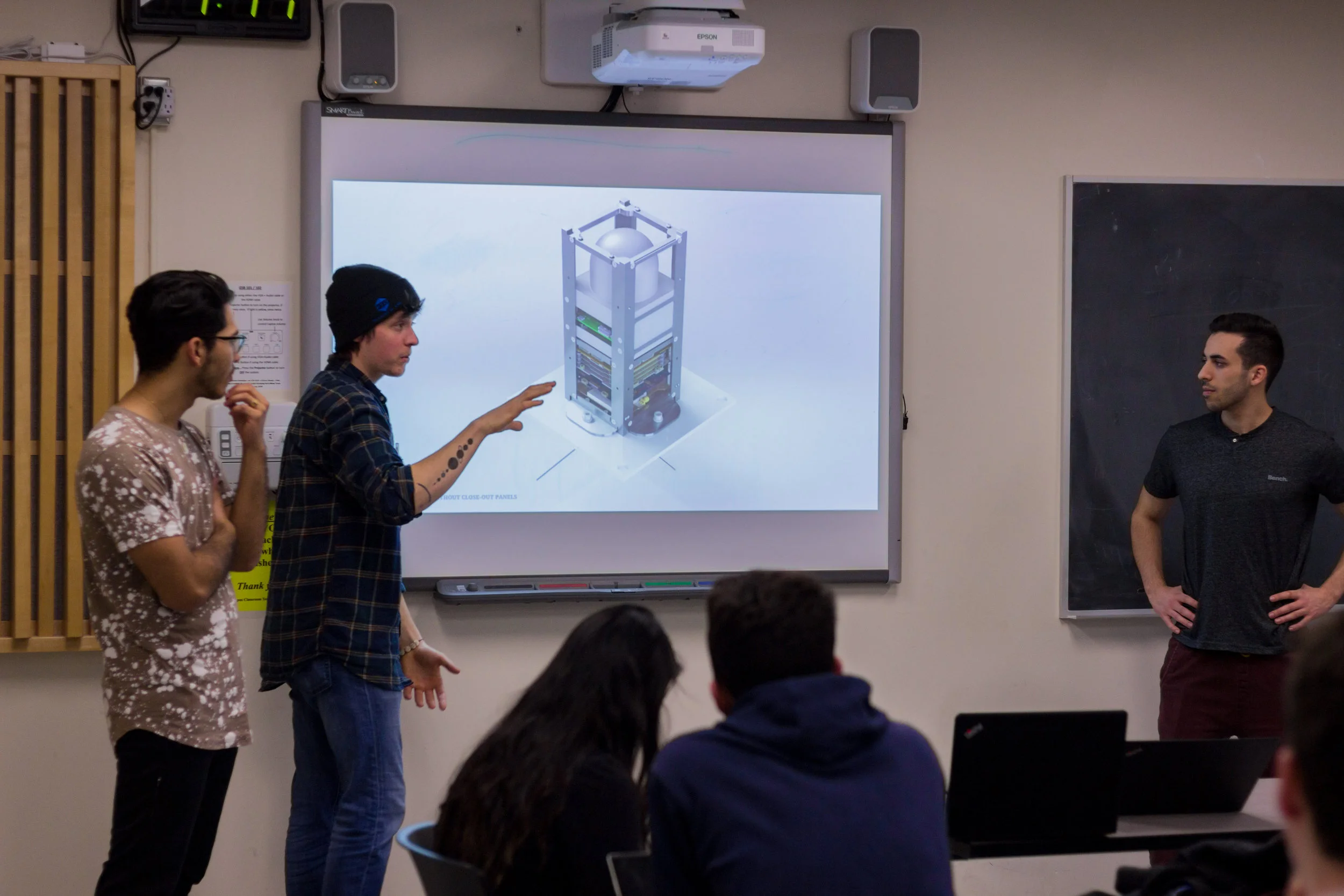
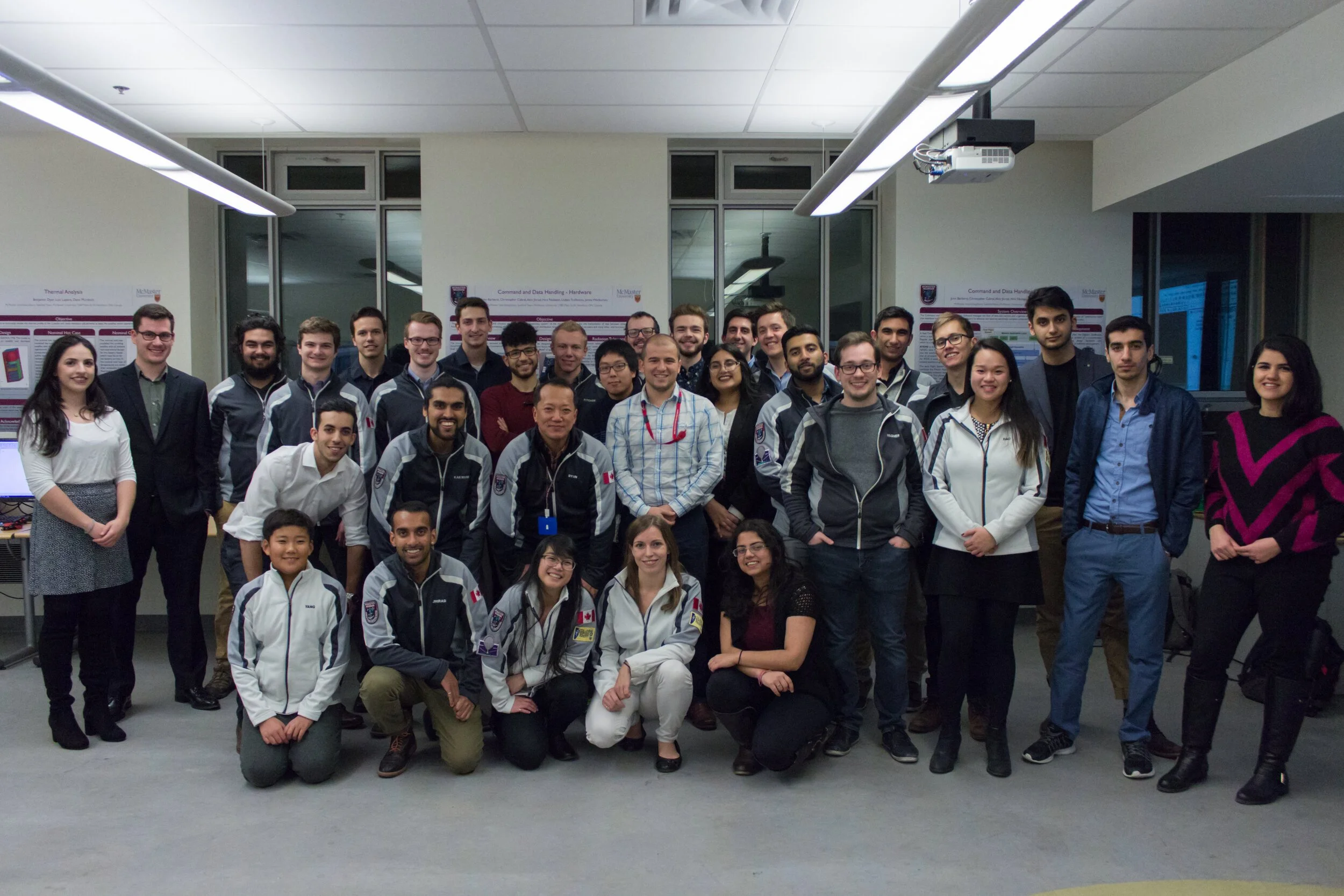
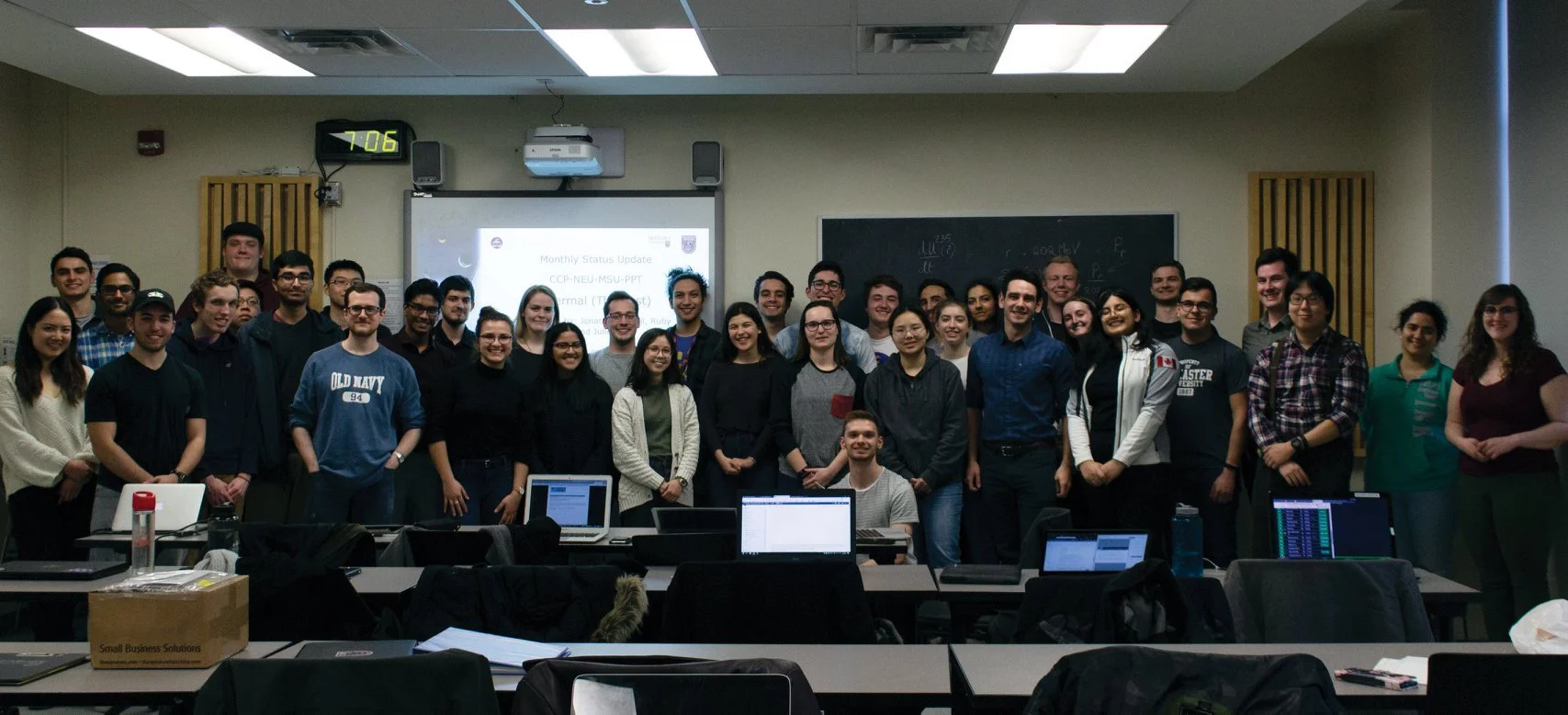
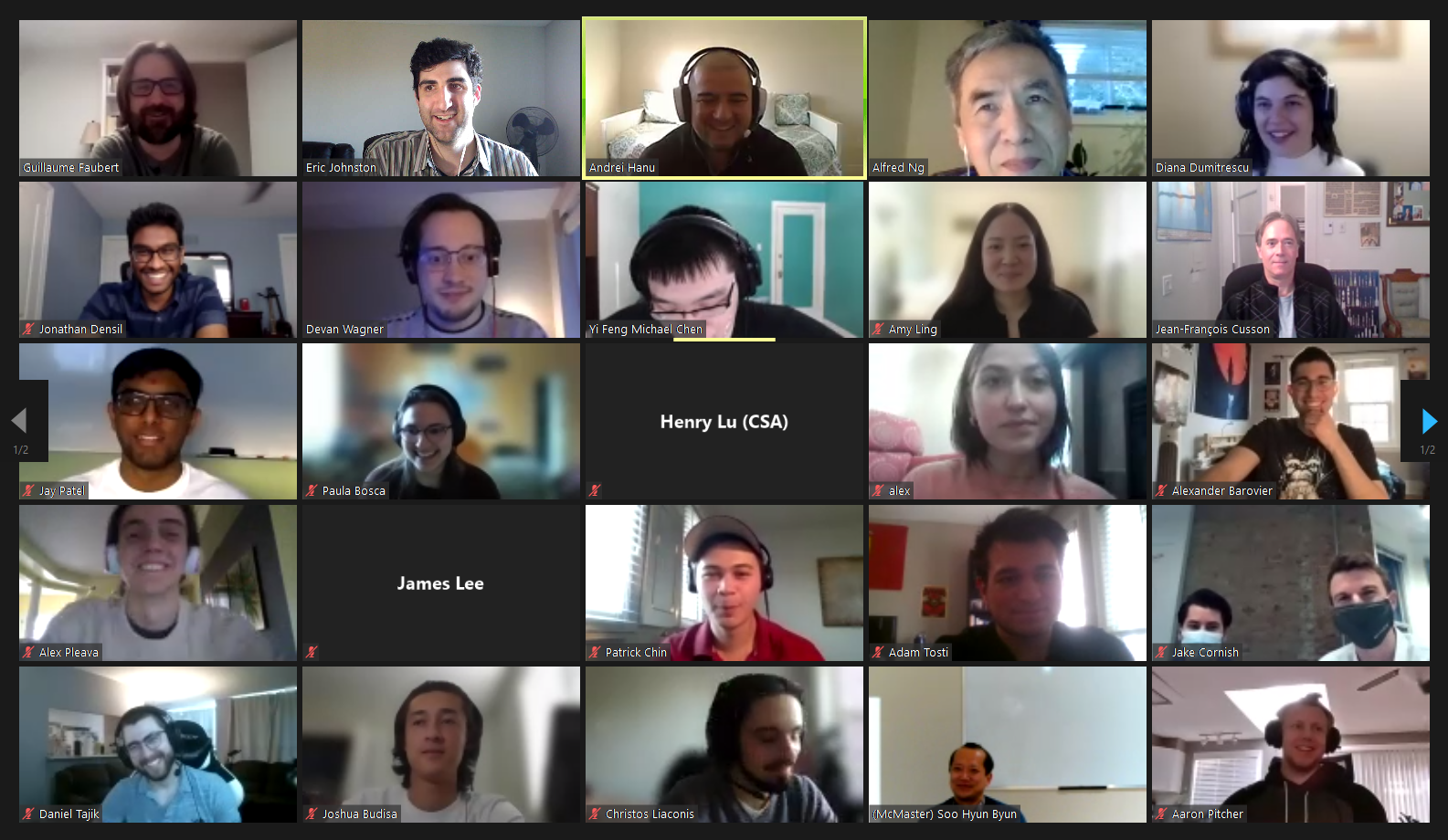
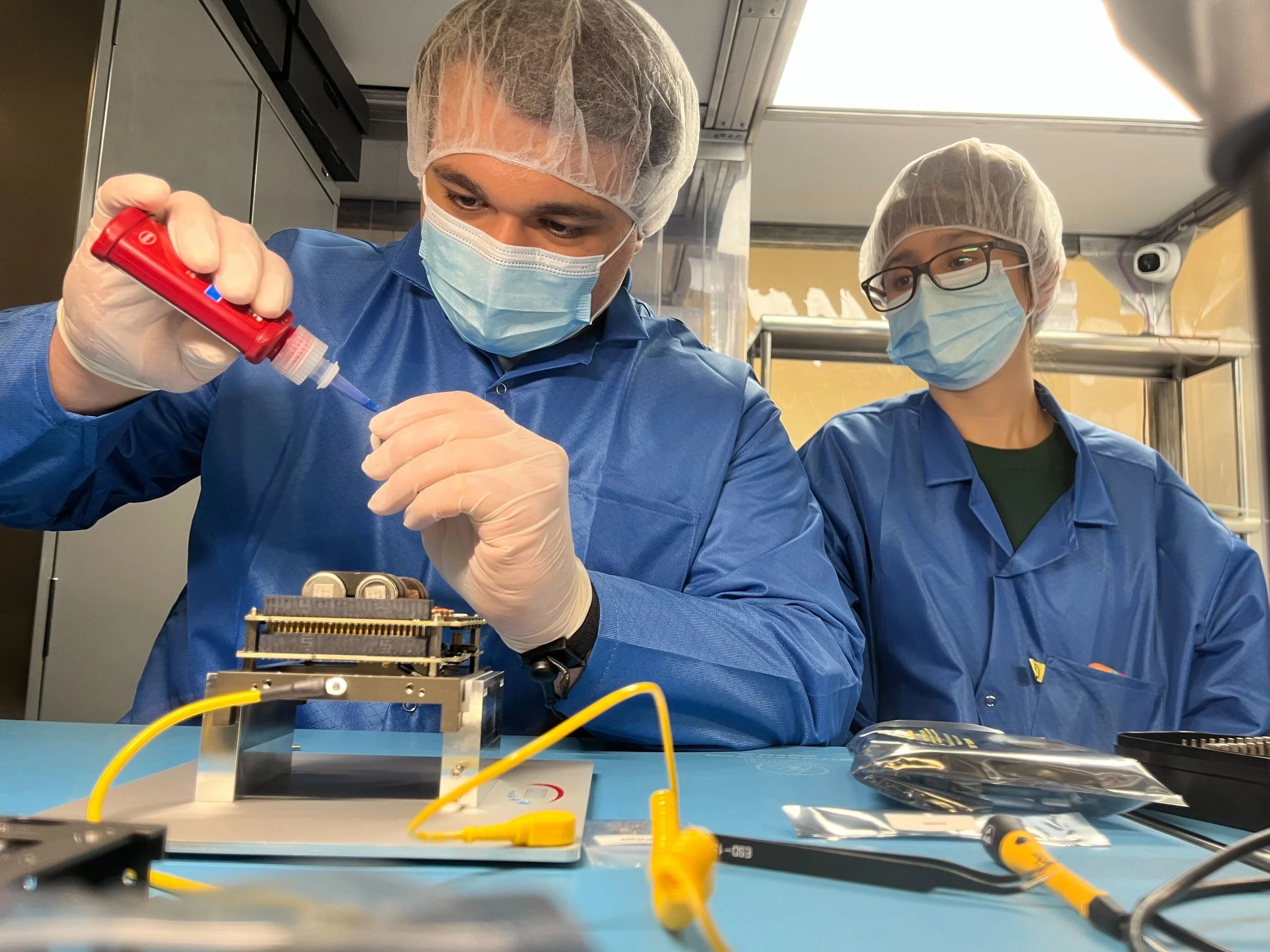
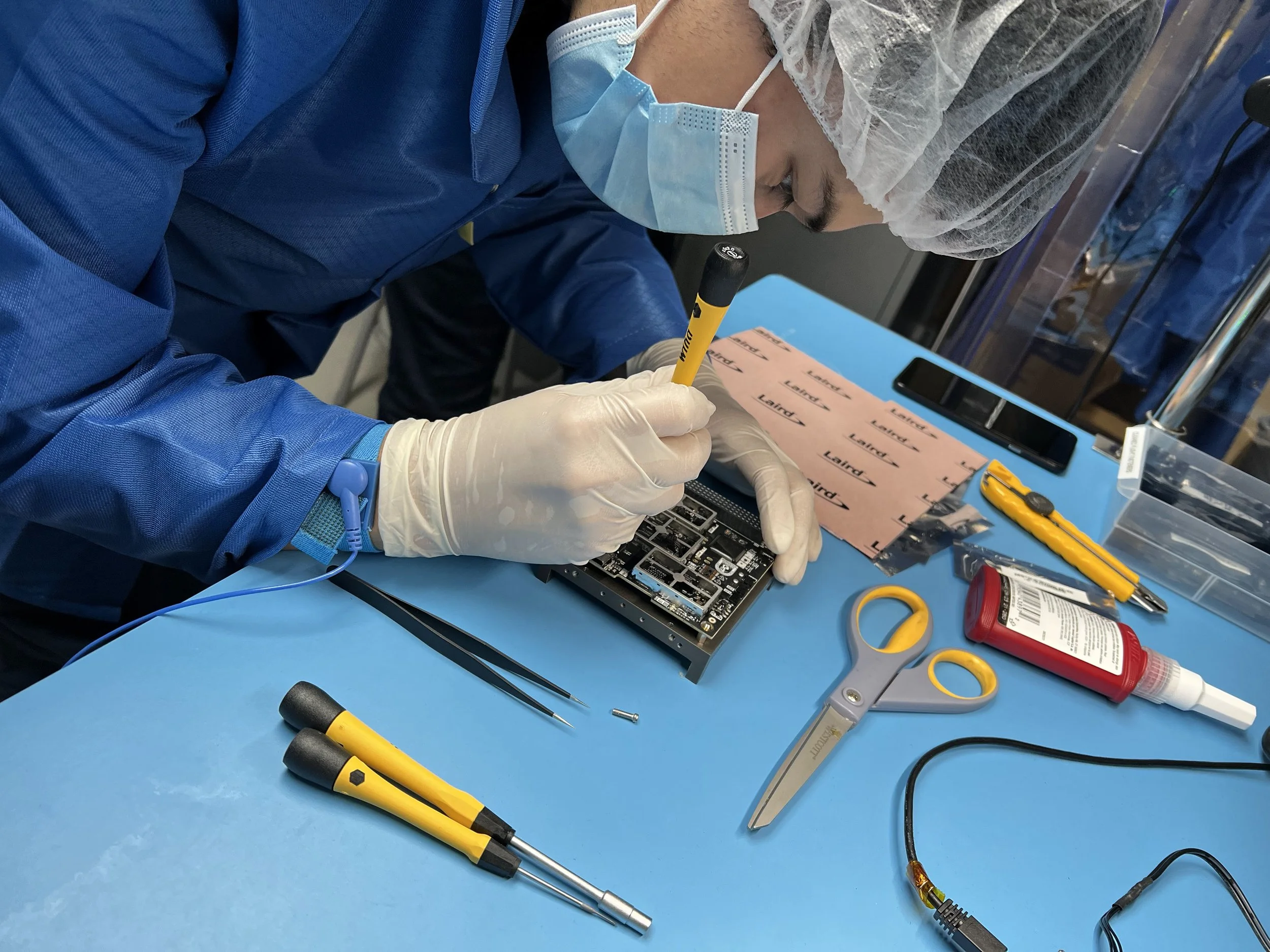
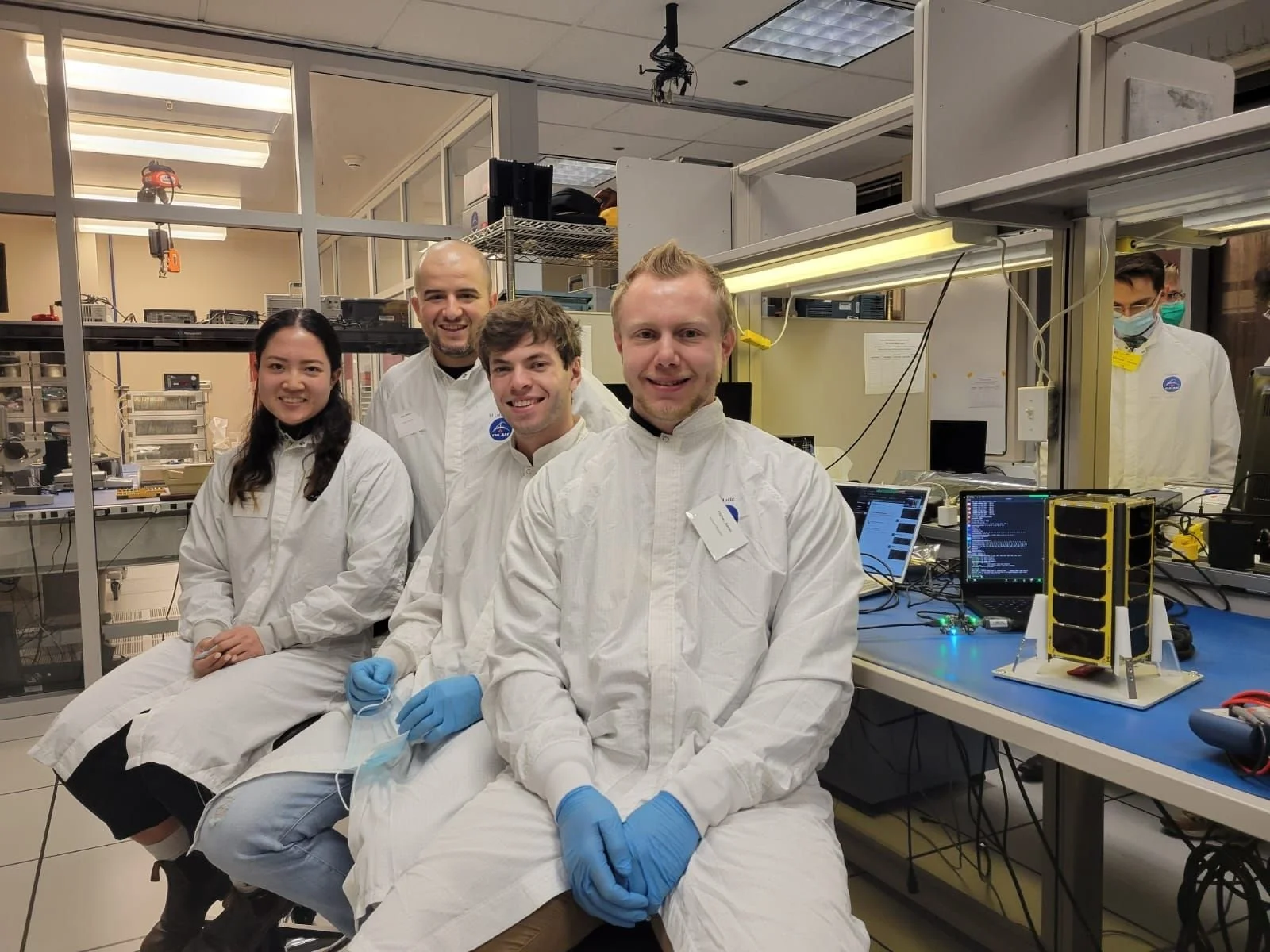
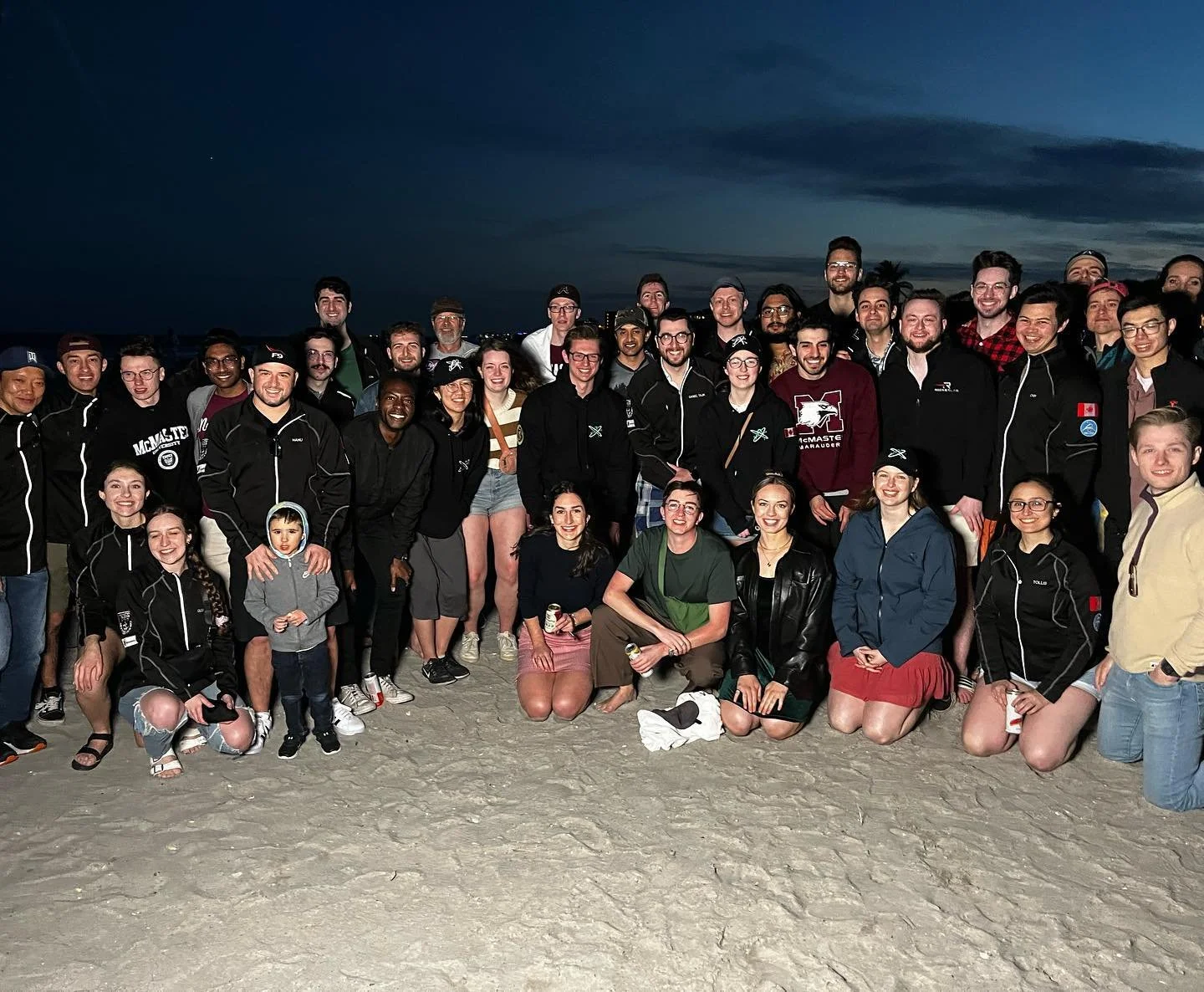
Throughout its development, NEUDOSE offered hands-on training to over 200 students who played vital roles in its design, development, and testing. This innovative mission not only enhanced our understanding of space radiation but also inspired the next generation of scientists and engineers in Canada.
What was the motivation behind NEUDOSE?
Recent advancements in space technology have resulted in space exploration becoming a rapidly growing field, and the desire for human space exploration is drastically increasing. Previous manned missions include flights to Low Earth Orbit (LEO), such as to the International Space Station (ISS), however upcoming flights are planned to go beyond LEO, such as to asteroids and eventually Mars. A major consideration in such missions is that the space environment is significantly different from that of Earth, especially with respect to the radiation environment. This drastic difference results in concerns regarding radiation dose.
Space radiation is distinct from naturally occurring forms of radiation on Earth, and significant health risks are associated with long term exposure including cancer, cataracts, central nervous system damage, acute radiation sickness, and hereditary effects. Consequently, the fulfillment of the intended exploration goals of each mission must be carefully managed without exceeding an acceptable level of risk from exposure to space radiation. Therefore, there exists a need for radiation detection systems that are able to classify and characterize the radiological hazards present.
NEUDOSE Systems Overview
CubeSat Specifications:
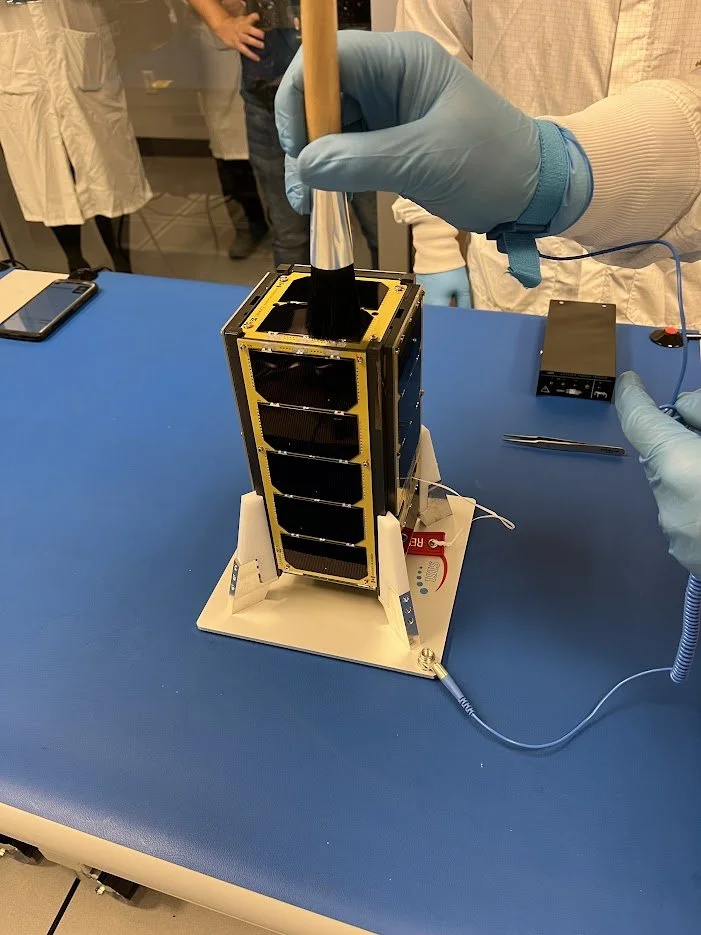
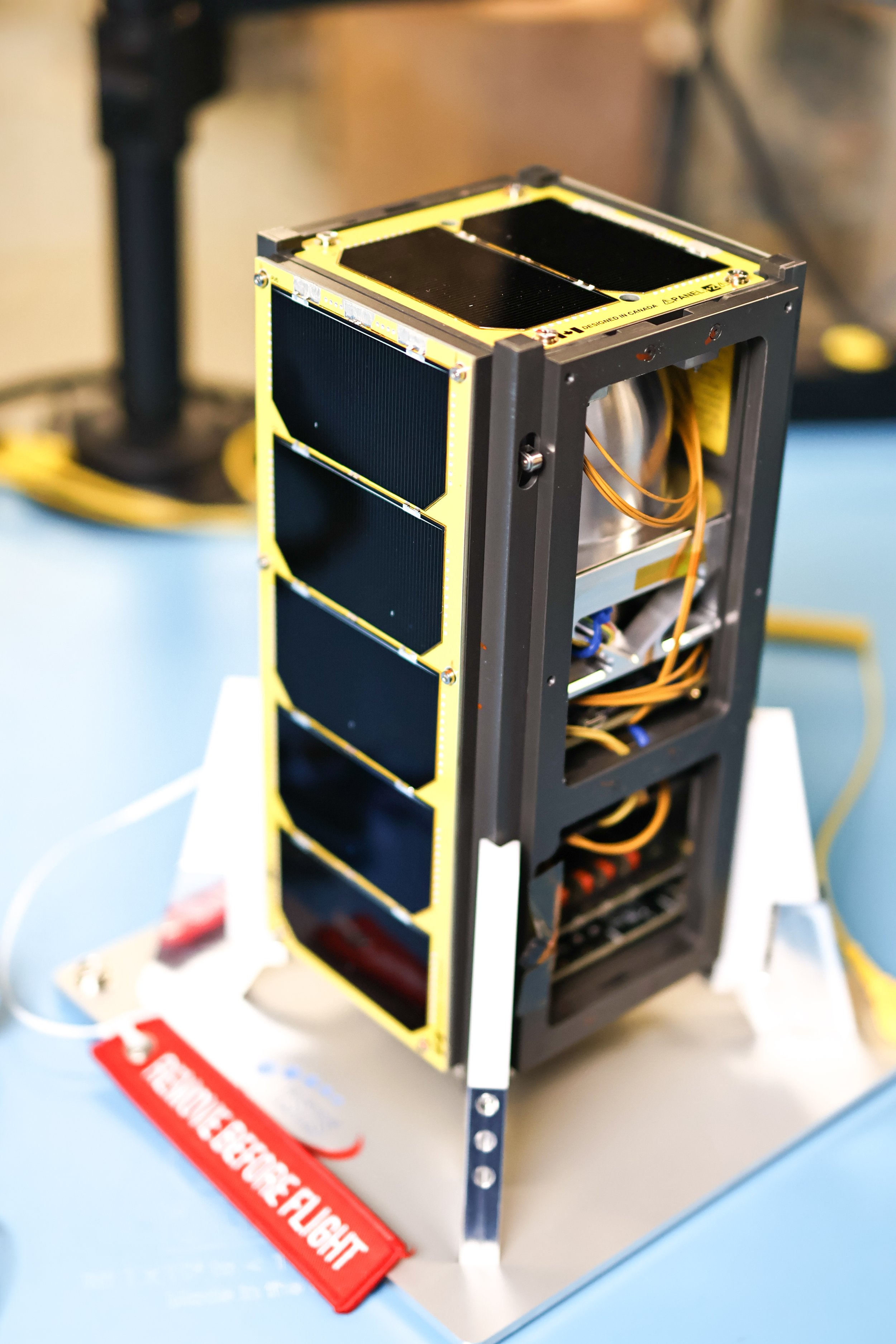
Configuration: 2-Unit CubeSat
Dimensions: 10 cm x 10 cm x 22.7 cm
Mass: 2.47 kg
Internal payload volume: 1U
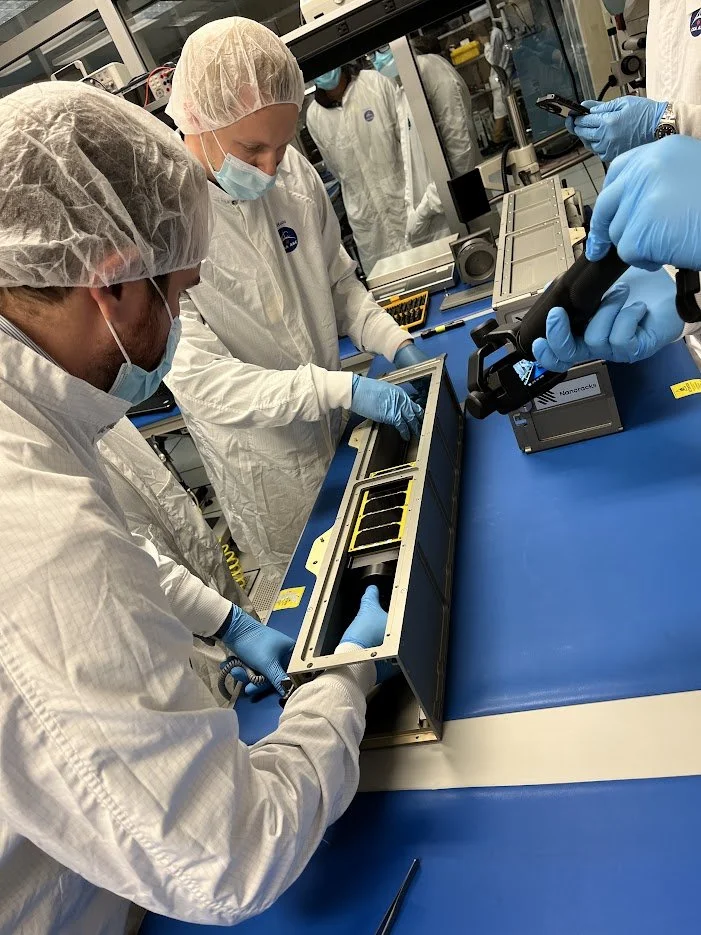
Compatible with NanoRacks CubeSat Deployer (NRCSD)
Attitude Control System
Stabilization Method: Passive magnetic stabilization
Components: One permanent magnet and two hysteresis rods
Alignment Goals:
Reduce rotational rates using the Earth's magnetic field
Align UHF and VHF antennas to optimize communication link performance
Electrical Power System
Solar Array: Six body-mounted panel using Spectrolab XTJ Prime solar cells
Power Generation: 3.9 W average in ISS orbit, with over 30% power margin in all modes
Battery: 23 Wh lithium-ion battery pack
Communications System
Call Sign: VE3NEU
Uplink: 2-m VHF Amateur Band, 145.97 MHz (20K0F1DCN)
Downlink: 70-cm UHF Amateur Band, 436.05 MHz (25K0F1DCN)
Antenna: Deployable UHF/VHF Dipole System from ISISpace Group
CNP-TEPC Instrument
Charged & Neutral Particle Tissue Equivalent Proportional Counter
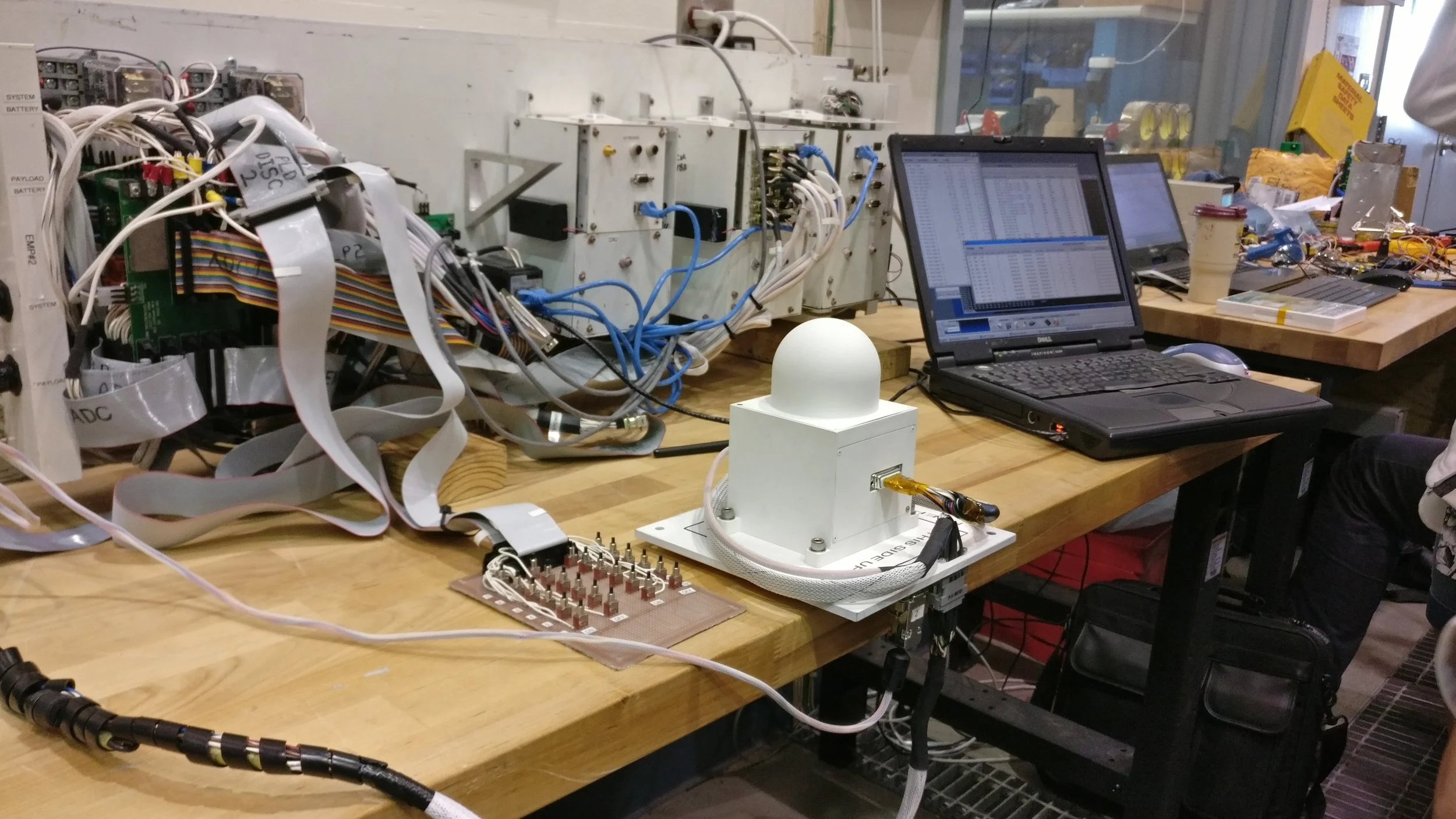
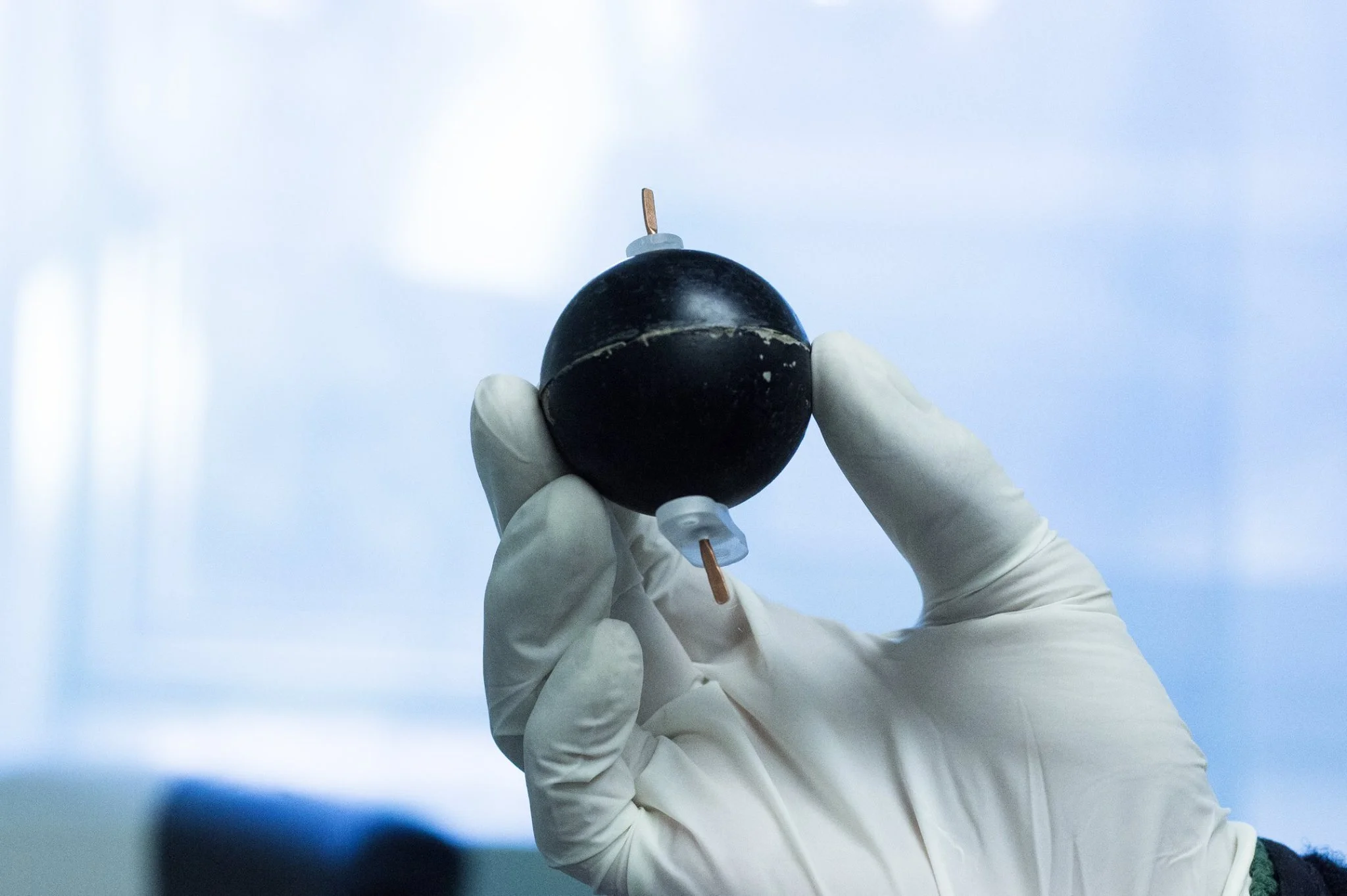
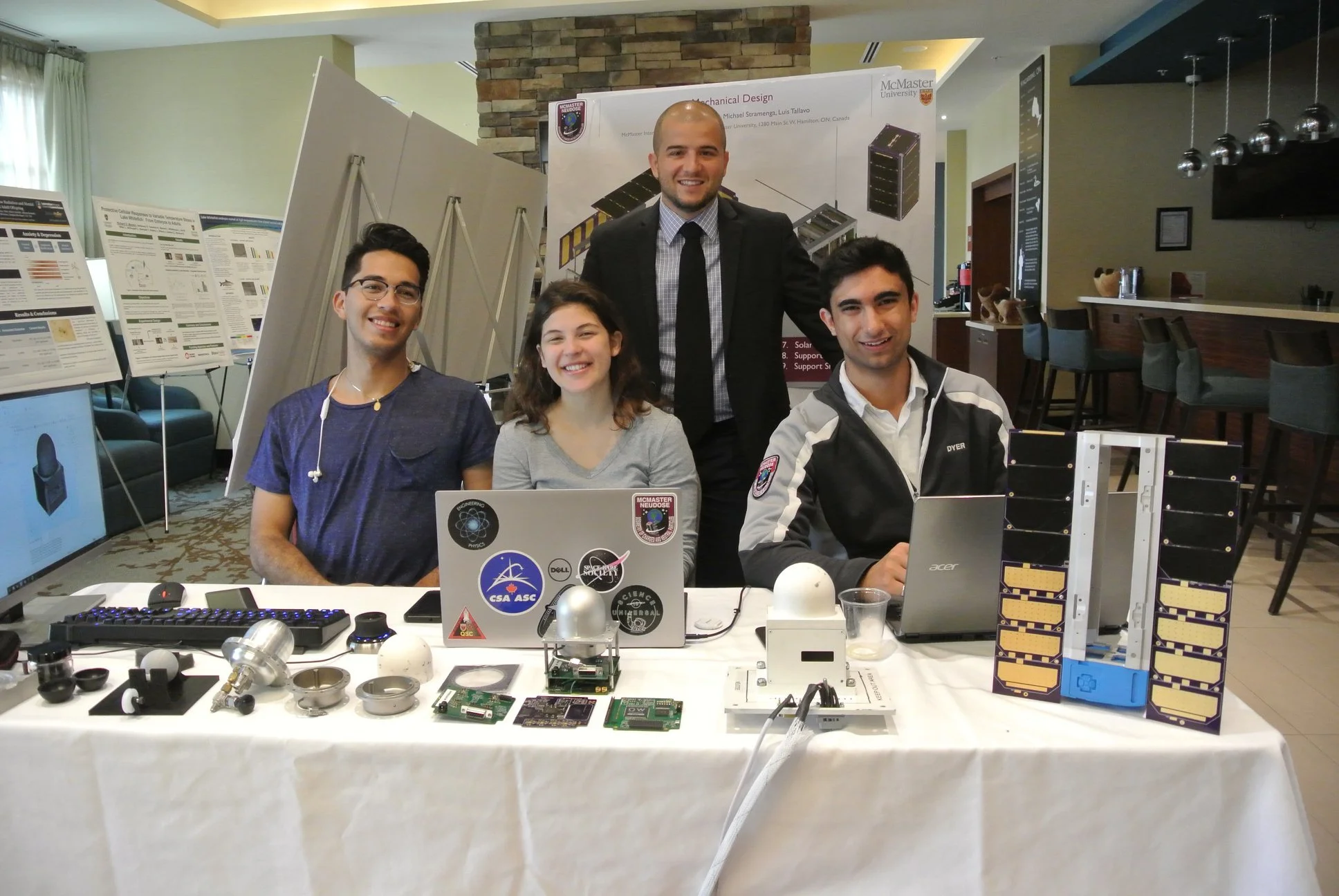
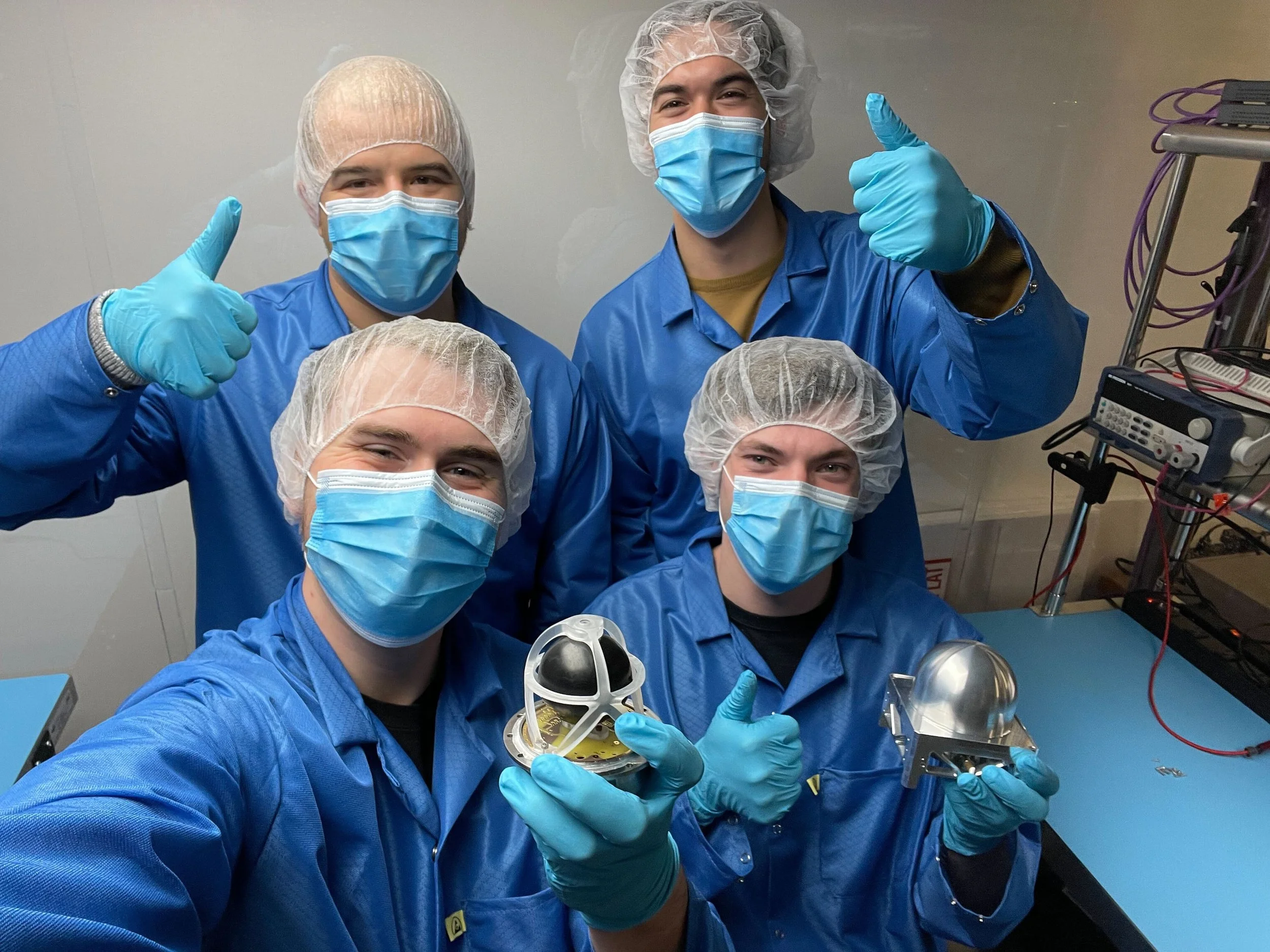
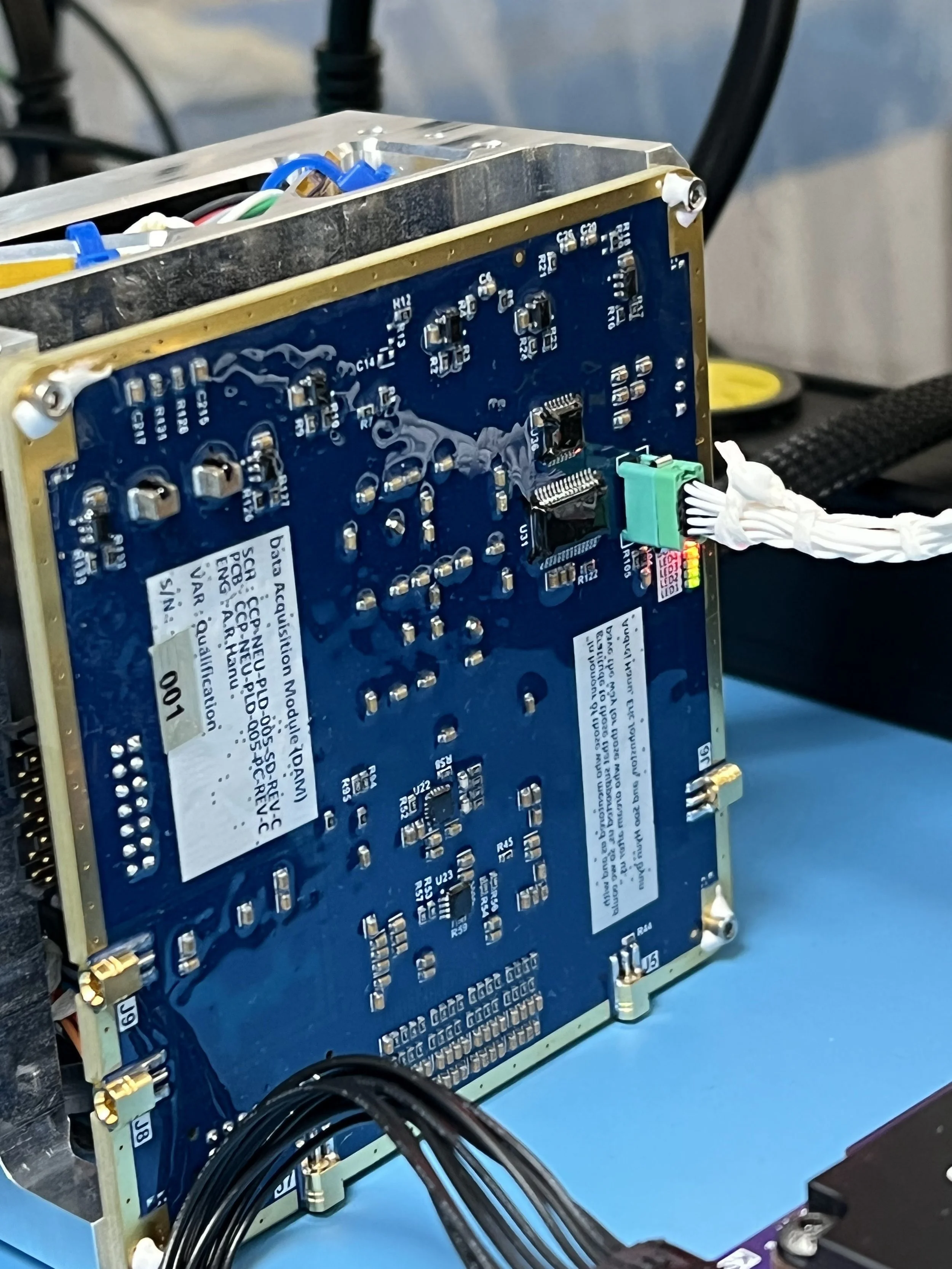
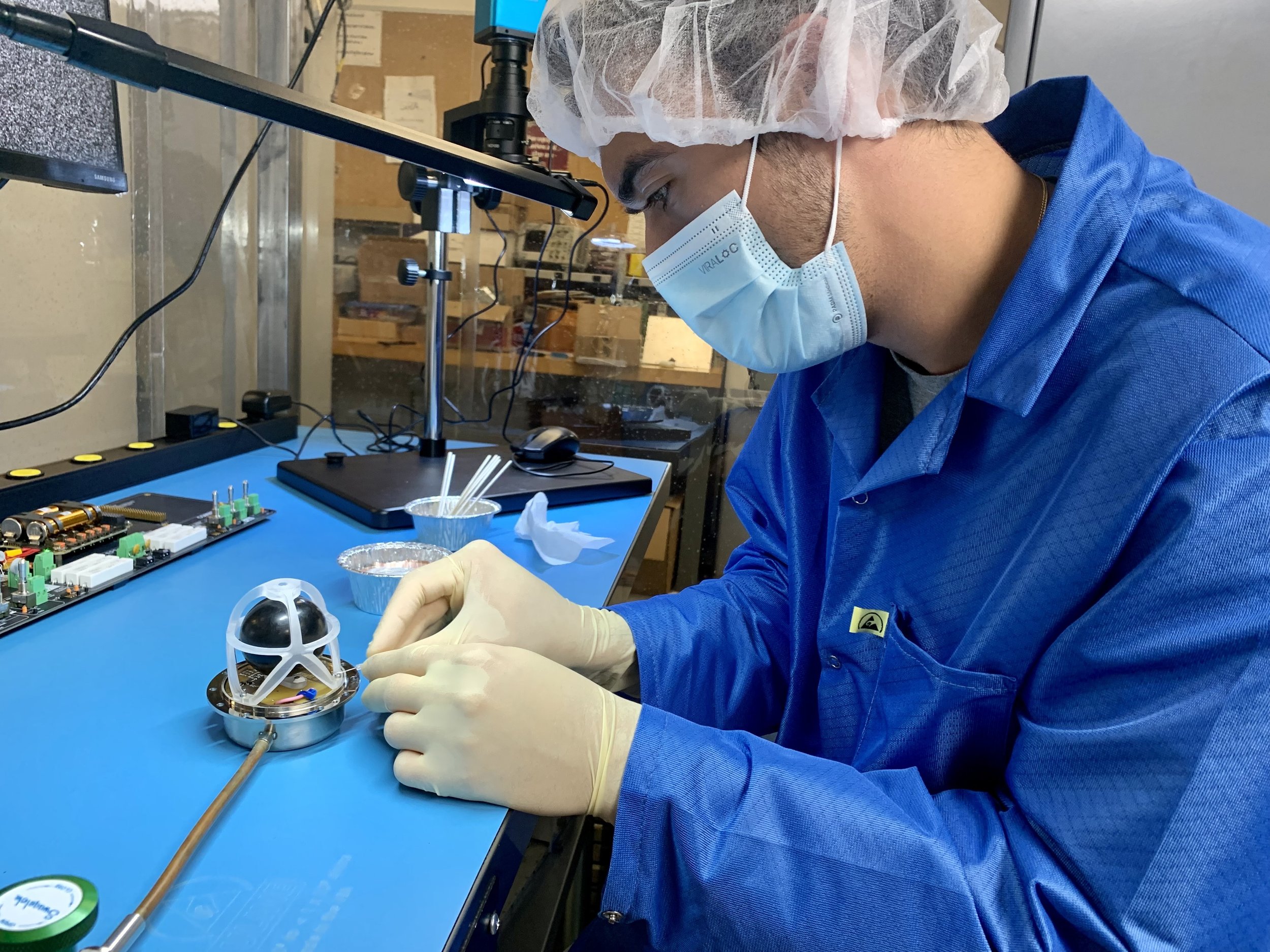
Designed by students and researchers at MSTRI to measure radiation in space, specifically focusing on the effects of charged particles and neutrons
Helps assess how radiation interacts with human tissue, providing crucial data for understanding exposure risks during space missions
Key Features
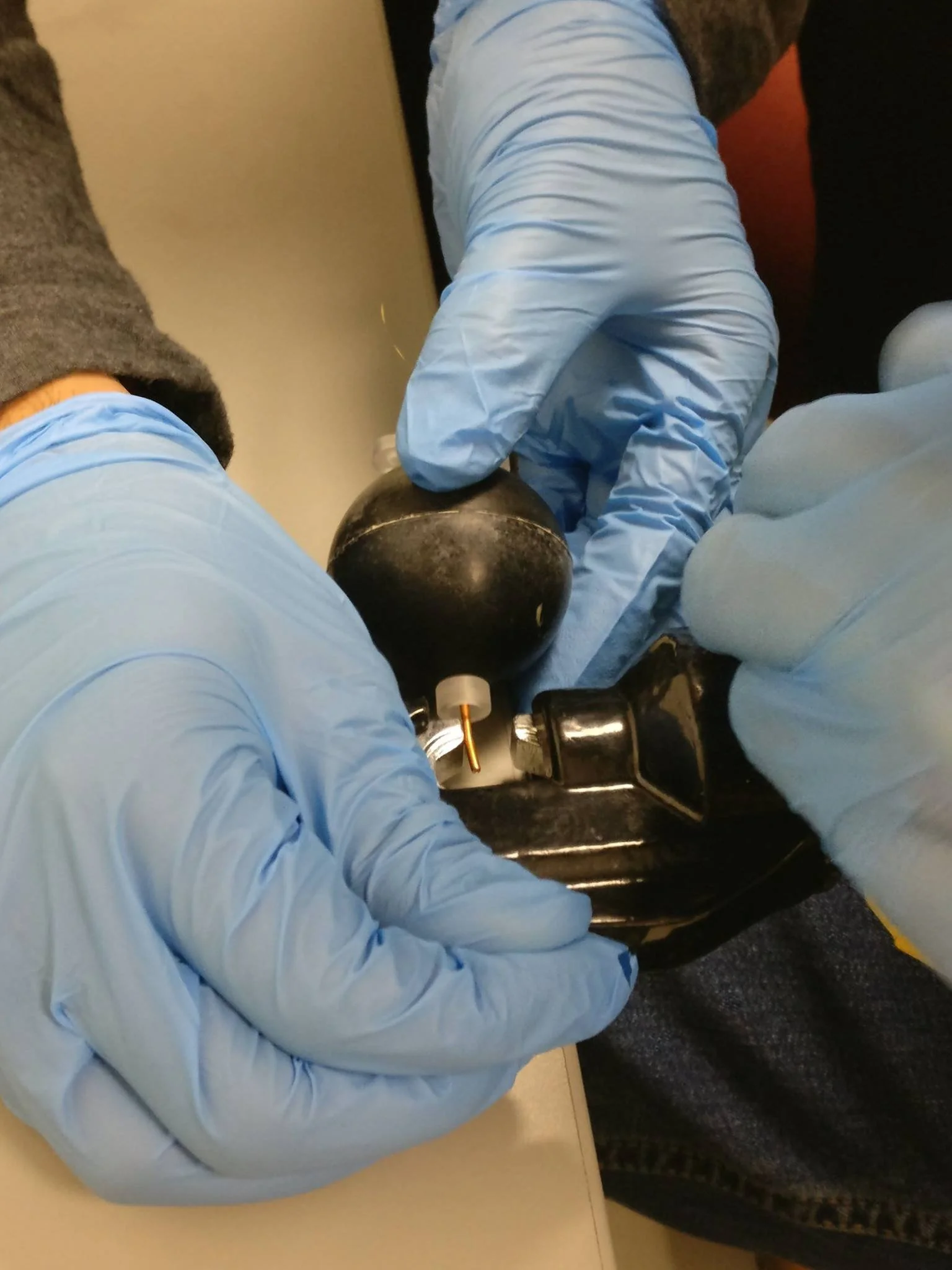
Two Detectors: Combines a Tissue Equivalent Proportional Counter (TEPC) and an Anti-Coincidence Detector (ACD) to differentiate between types of radiation.
Spherical Design: Made from a special plastic that mimics human tissue, the spherical TEPC is designed to accurately simulate the effects of radiation.
Specifications
Dimensions: 10 cm x 10 cm x 12 cm
Mass: 450 grams
Power: 900 mW at 5 V
Development Status
The instrument is at a high technology readiness level (TRL 7), meaning it has been thoroughly tested and is ready for real-world applications. Its design has been validated in relevant environmental conditions, ensuring reliability in space.
Solar Array
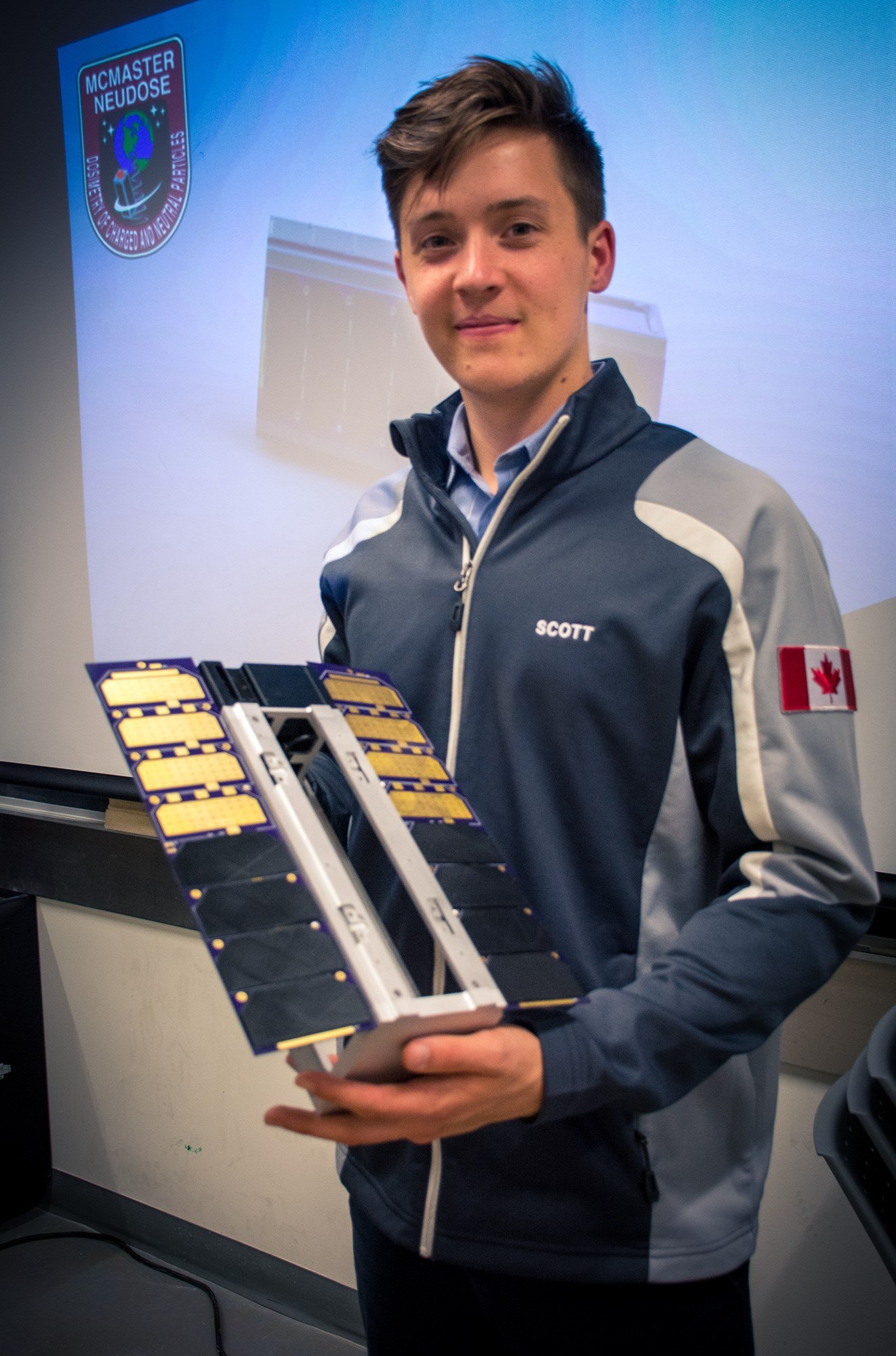
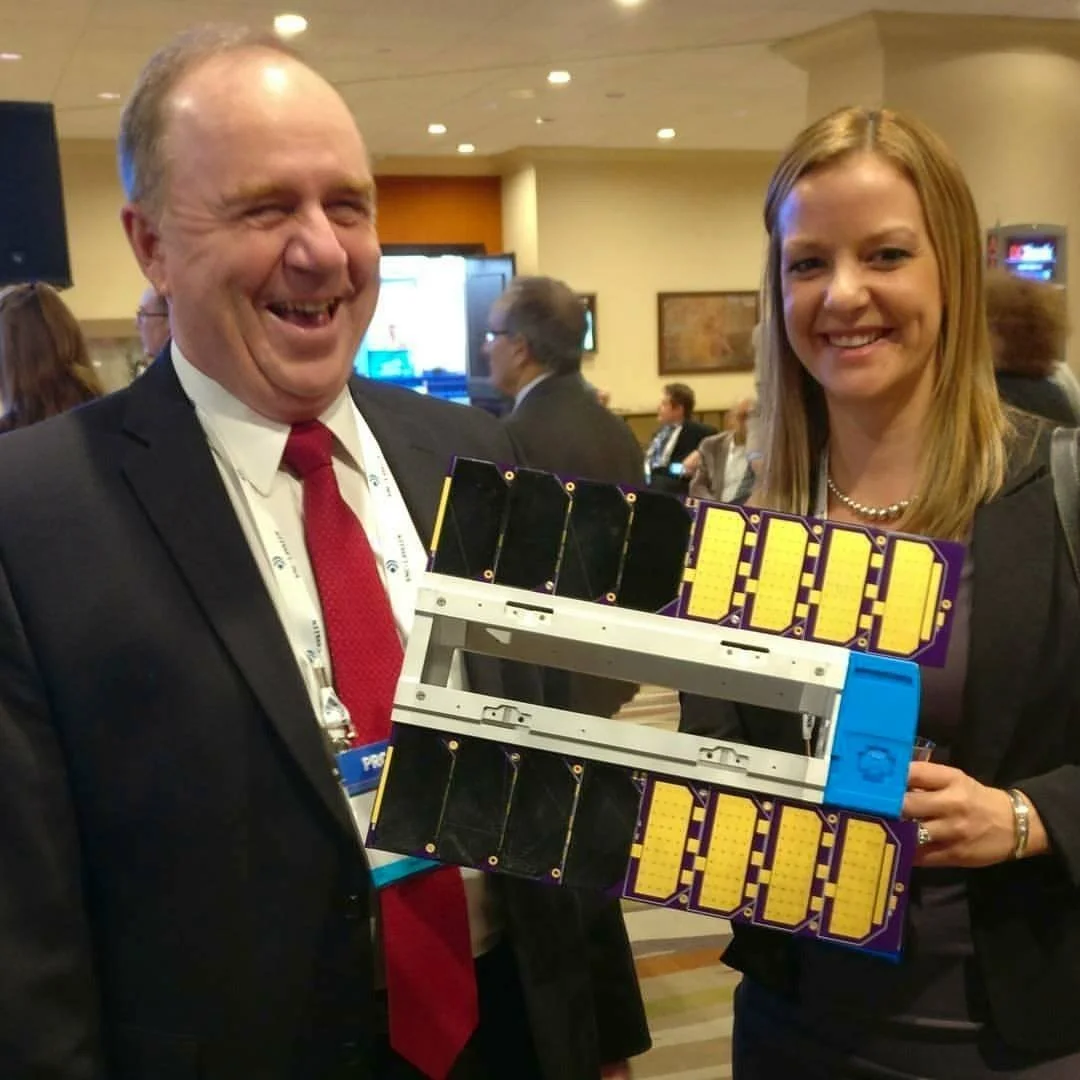
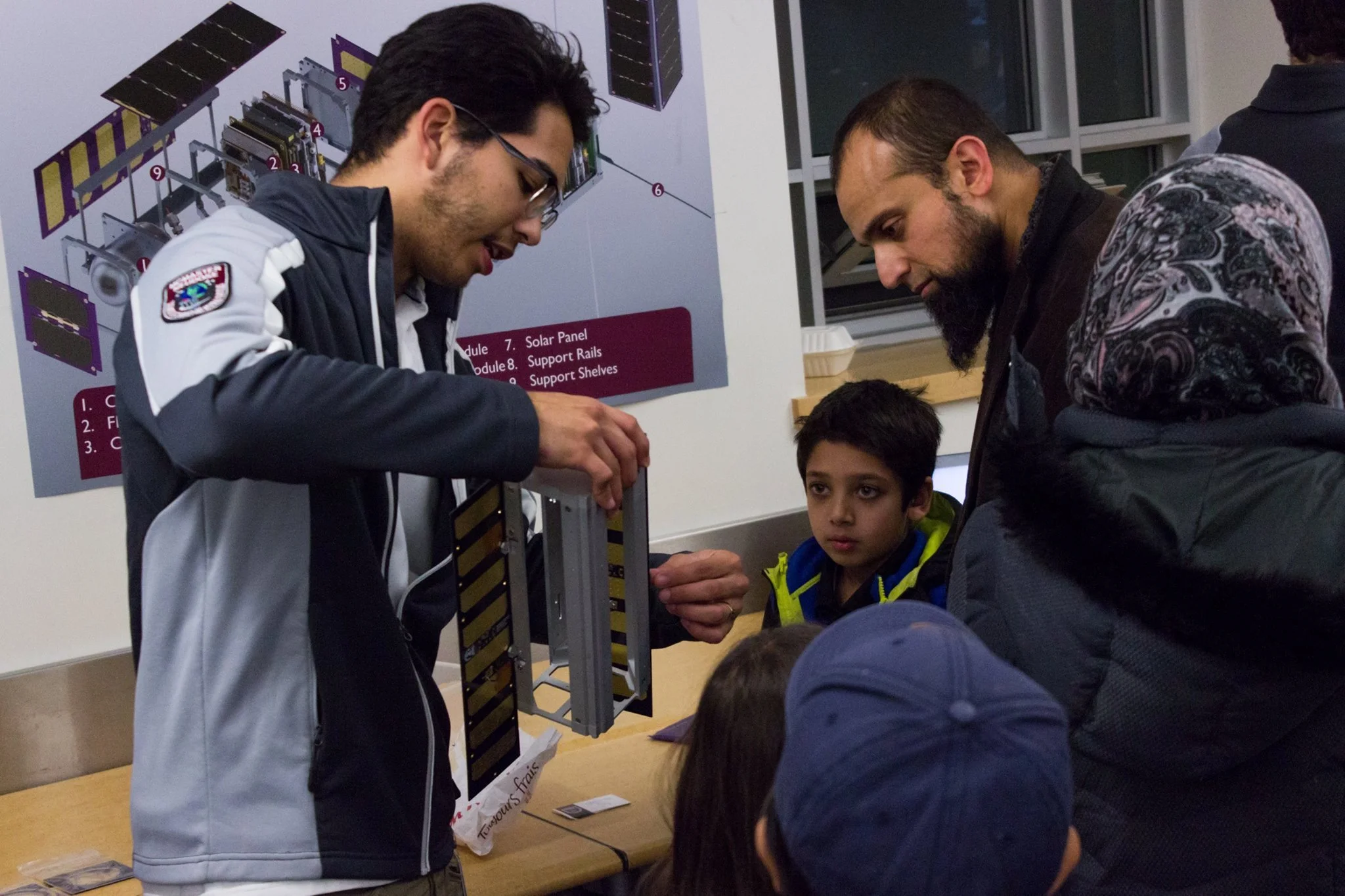
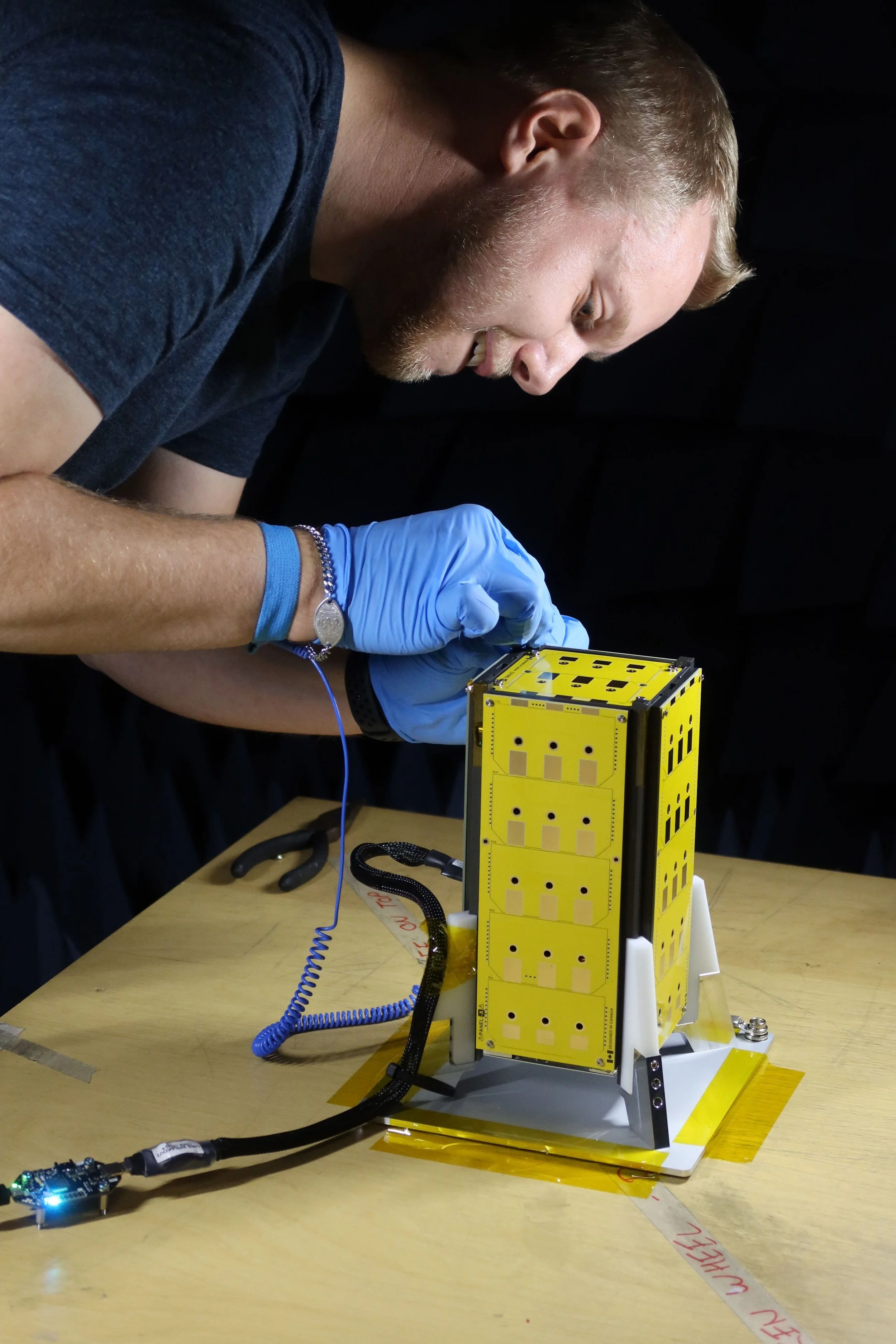
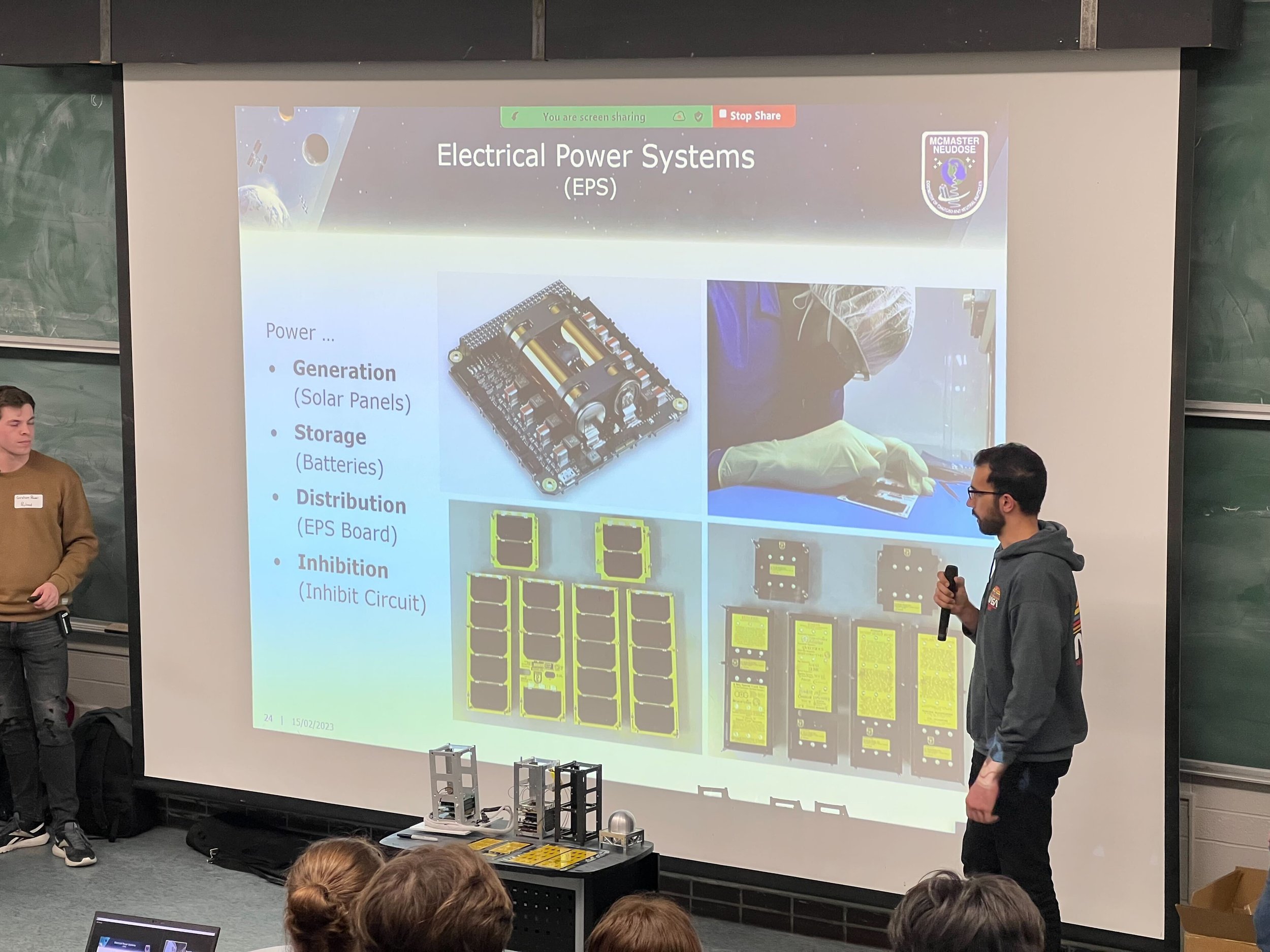
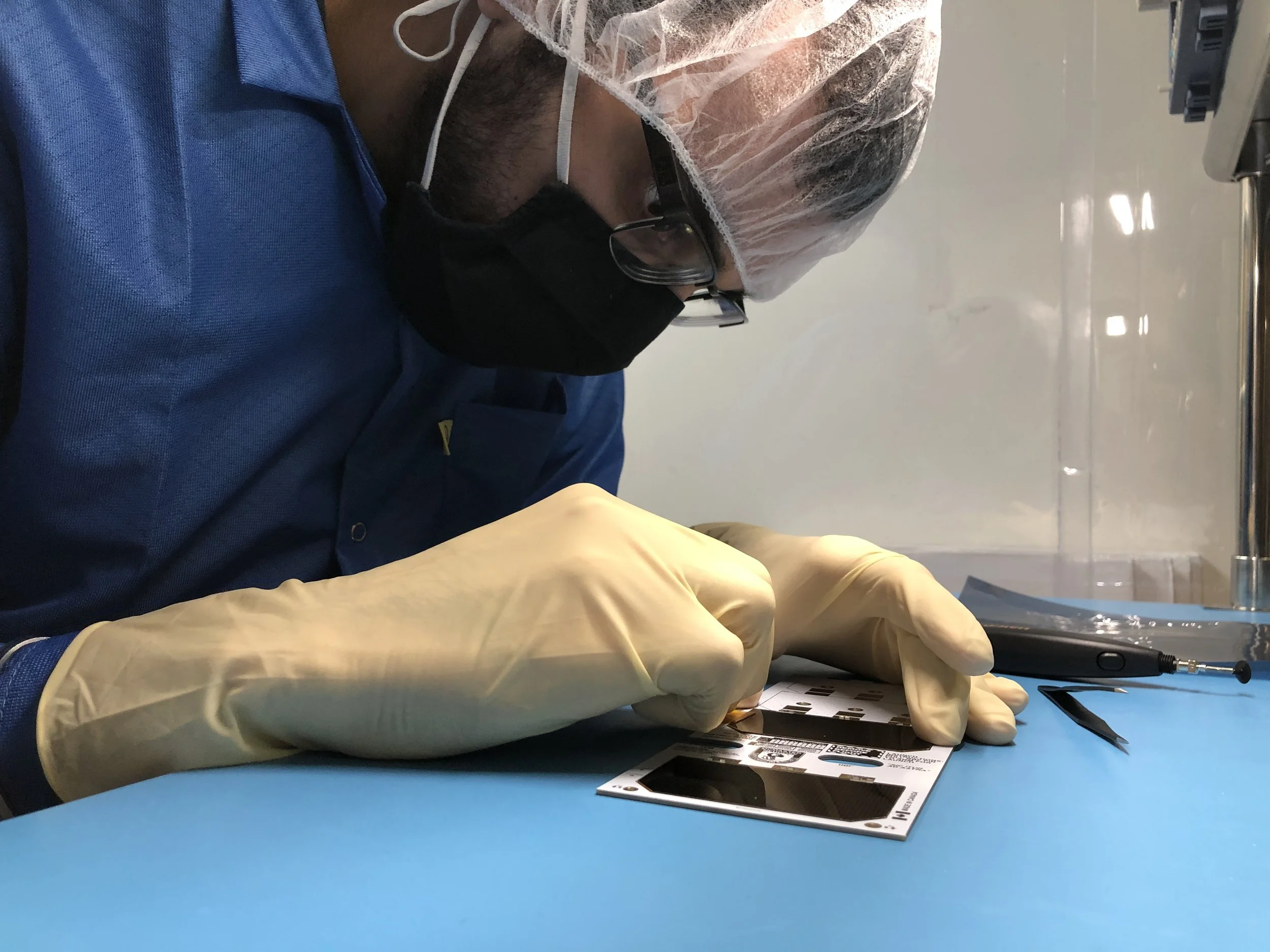
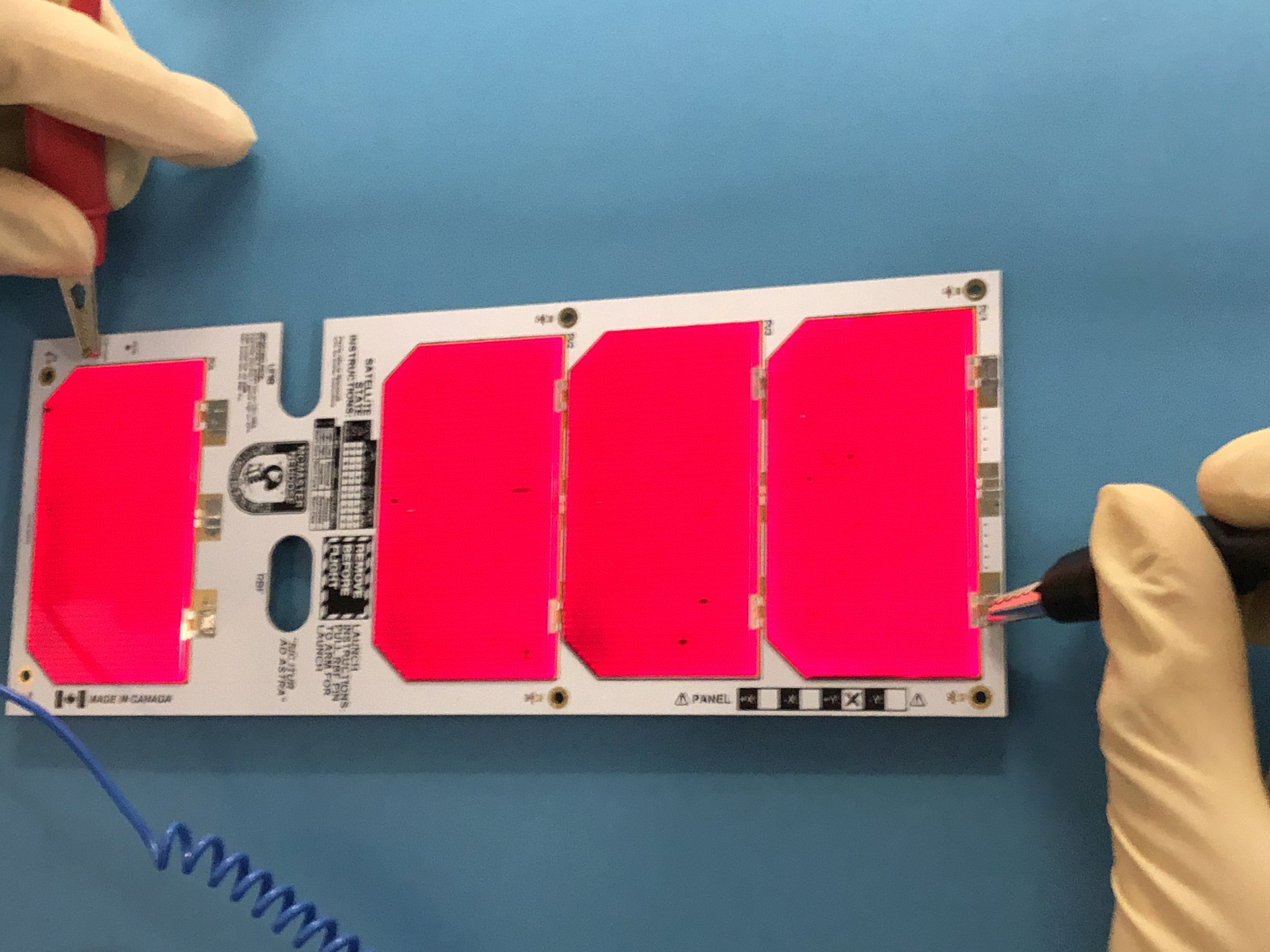
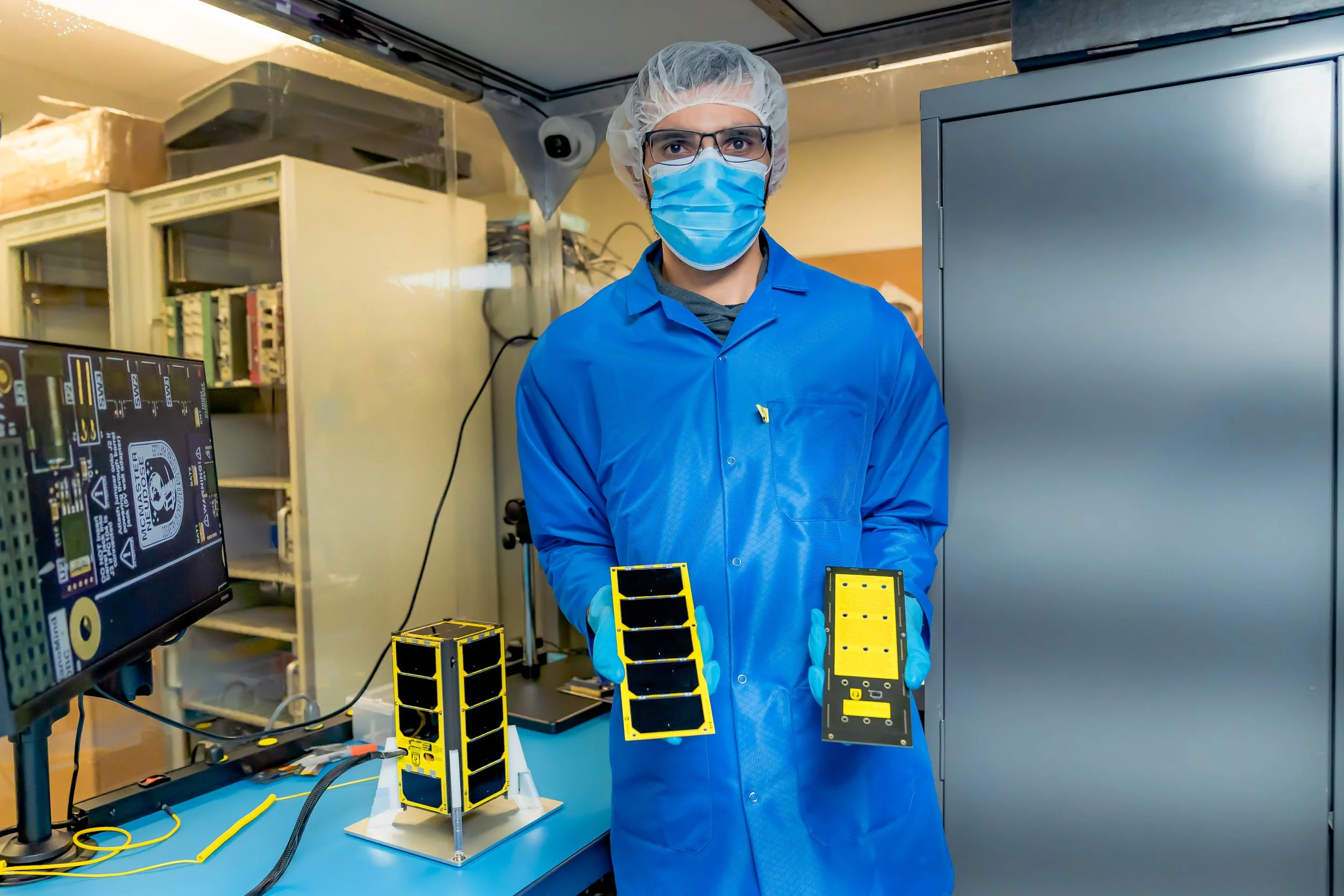
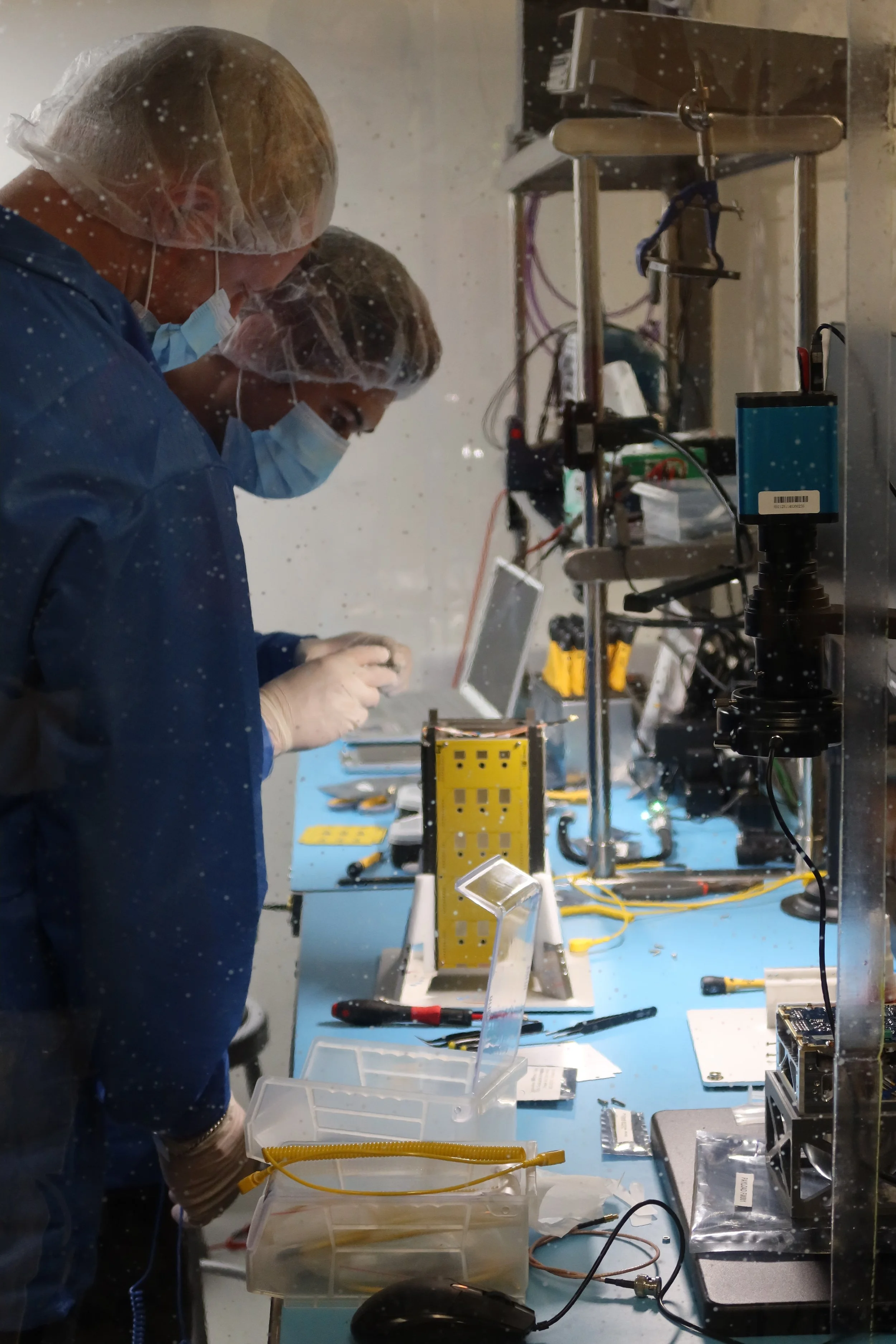
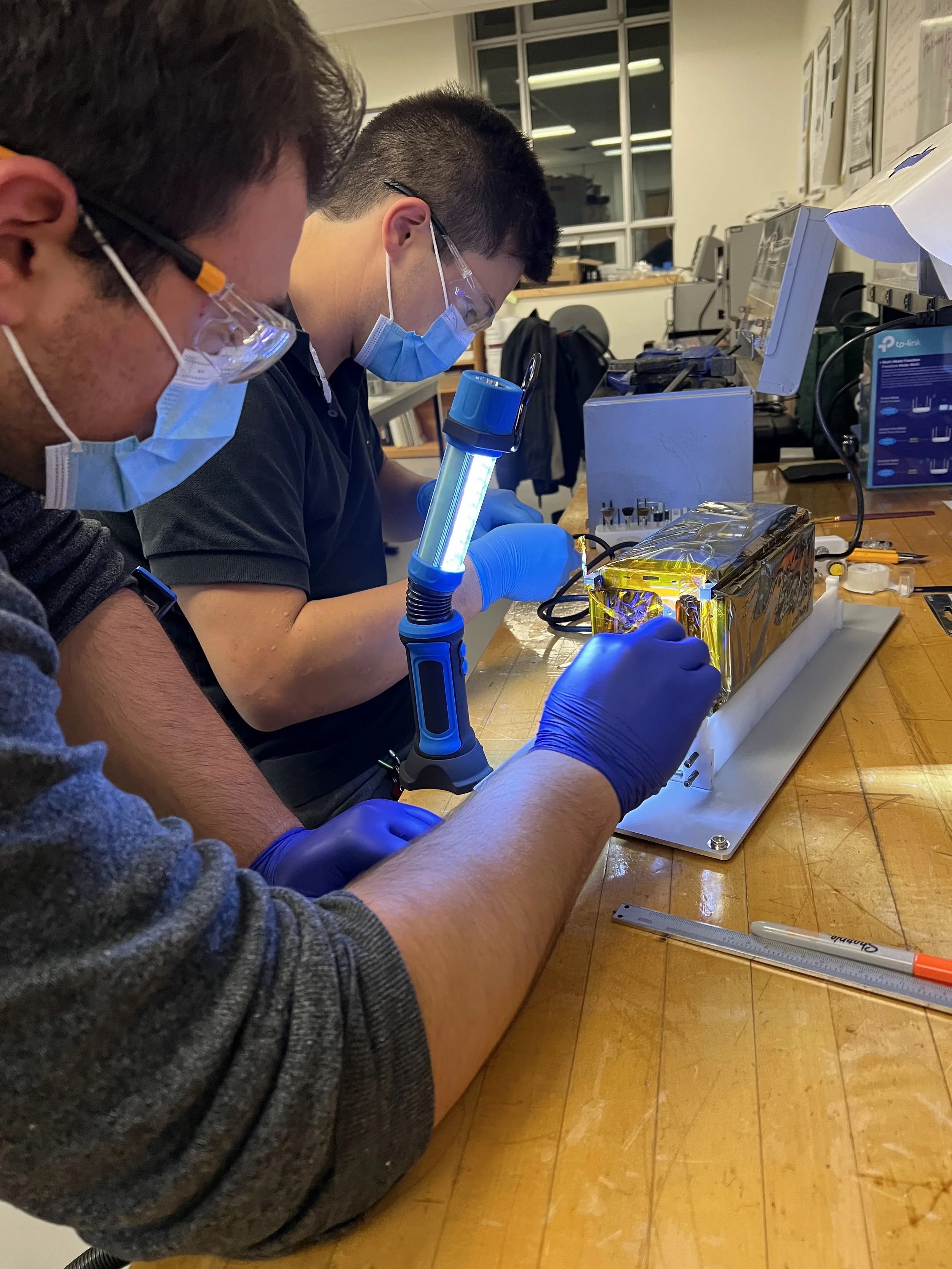
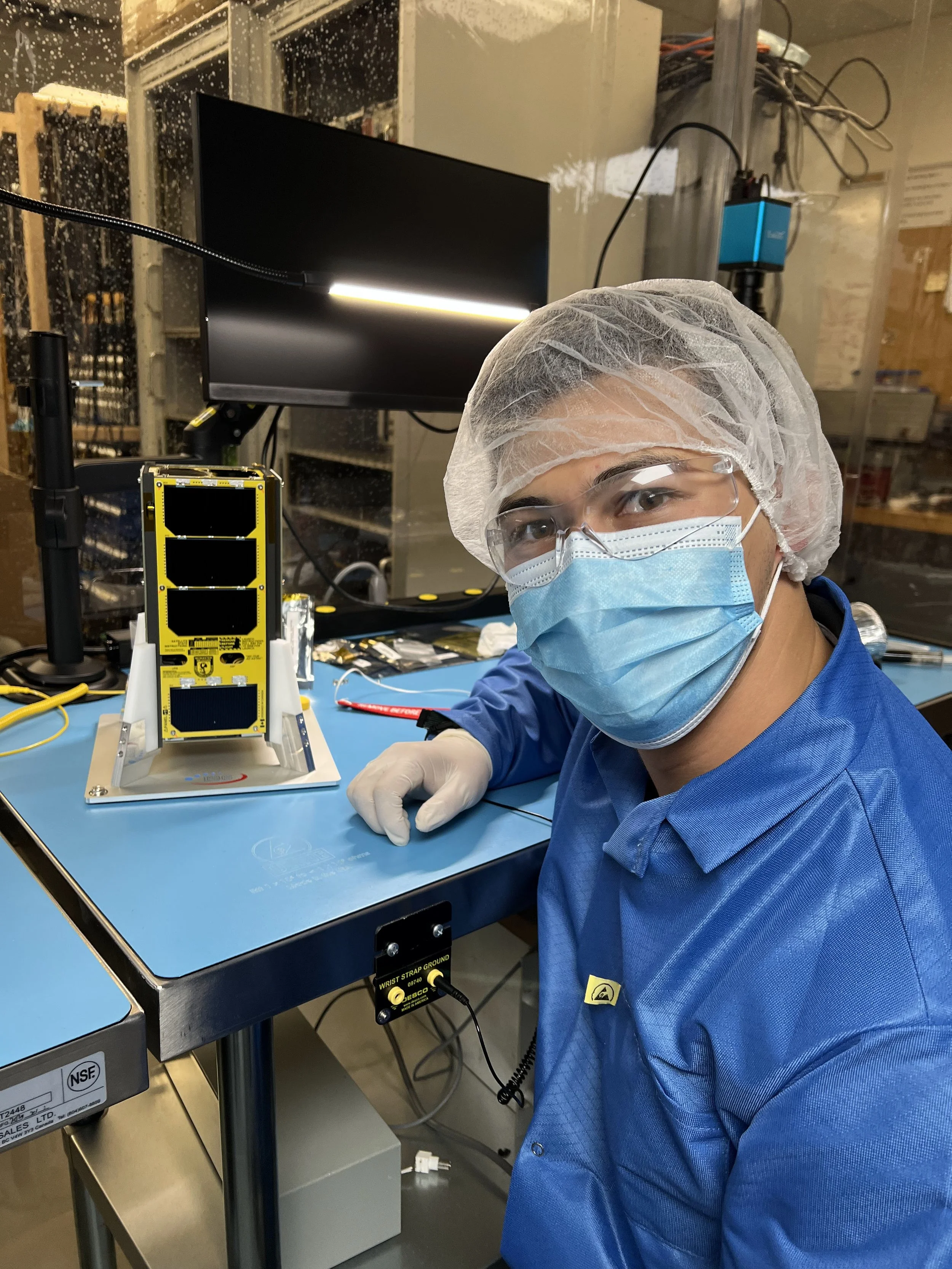
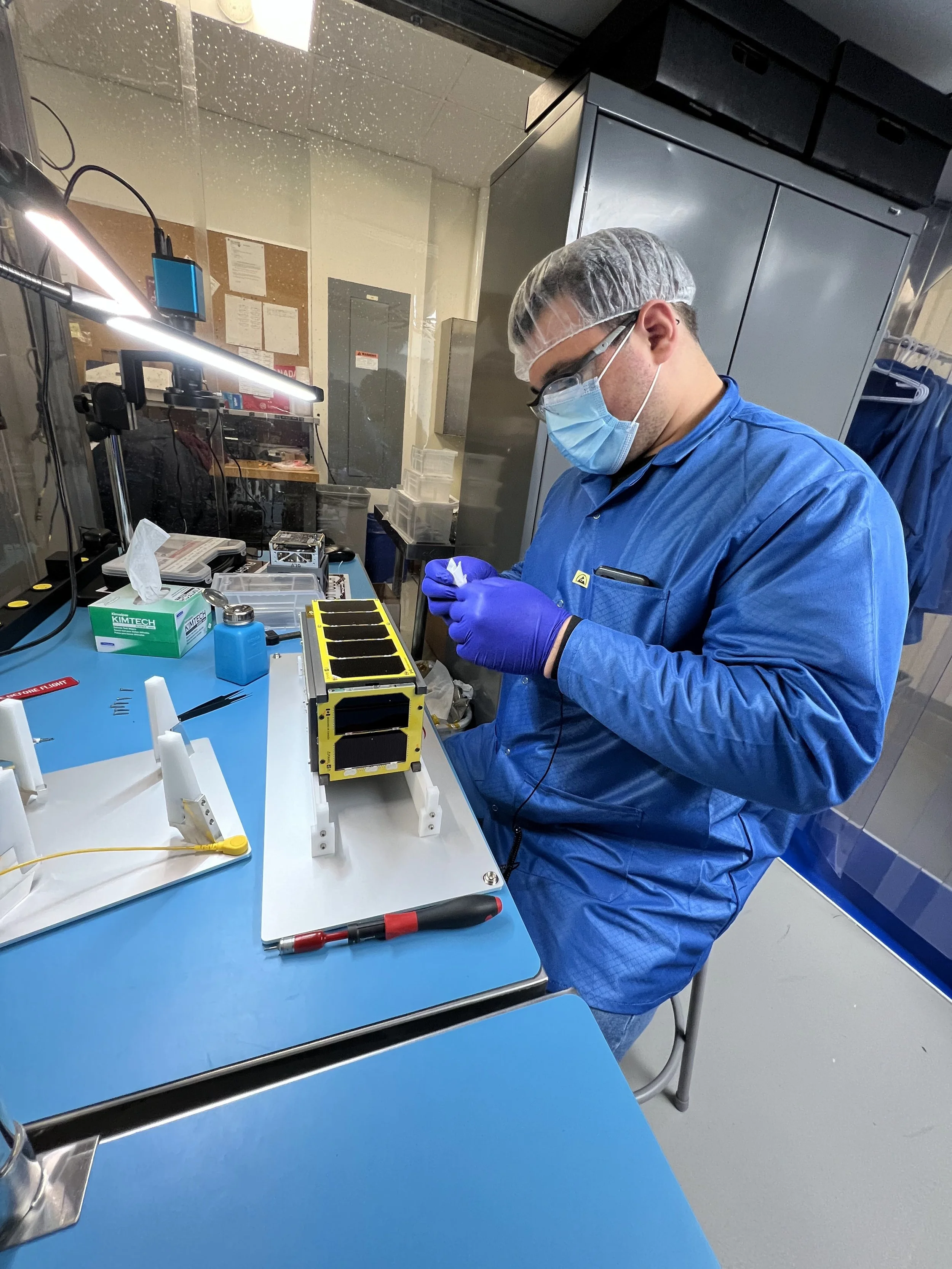
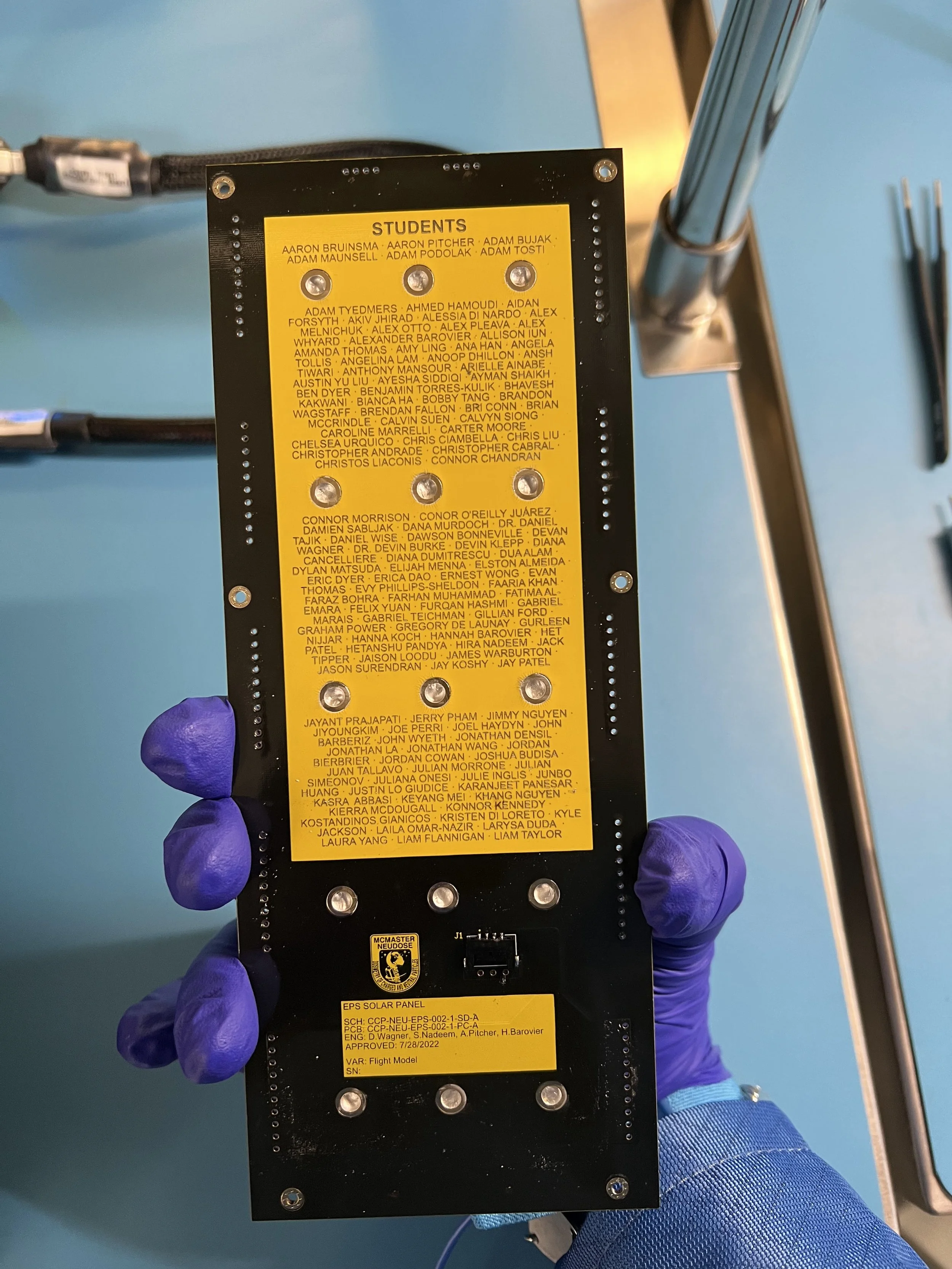
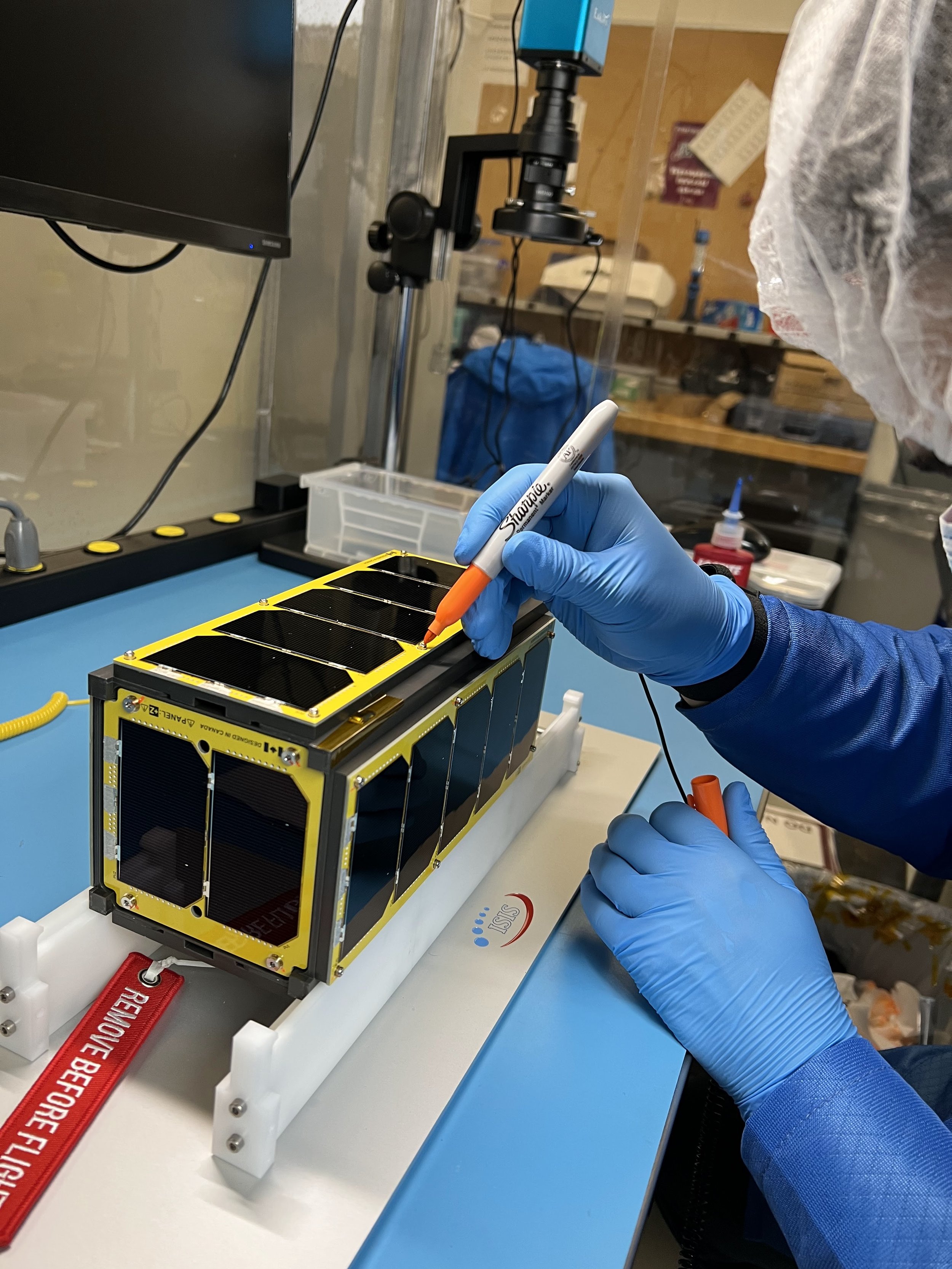
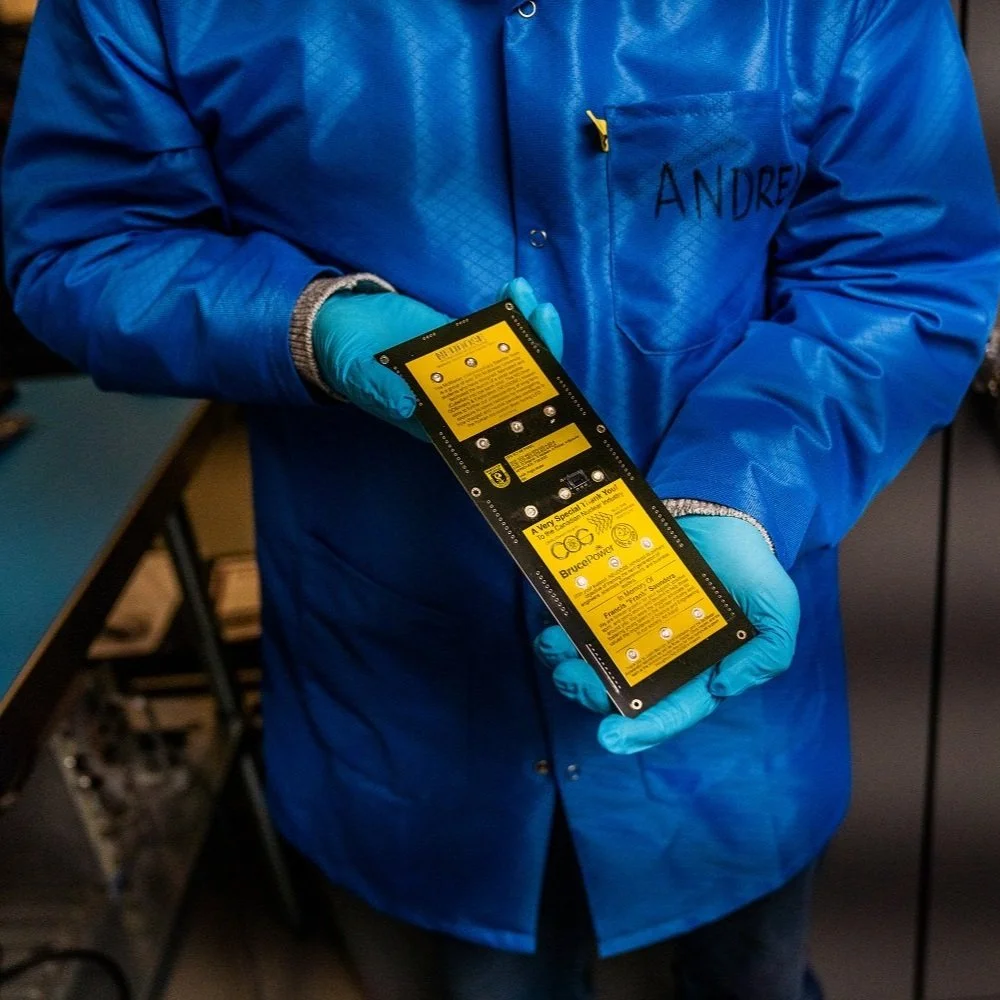
The solar panels that surround the NEUDOSE CubeSat were entirely designed, assembled, and tested by students. Each panel on the long sides of NEUDOSE contains five SpectroLab XTJ Prime solar cells. These cells, measuring 26.62 cm² each, are attached to the panel using double-sided Kapton tape, with their leads tucked under the adjacent cells to maximize packaging density on the 2U panels.
Unique Features
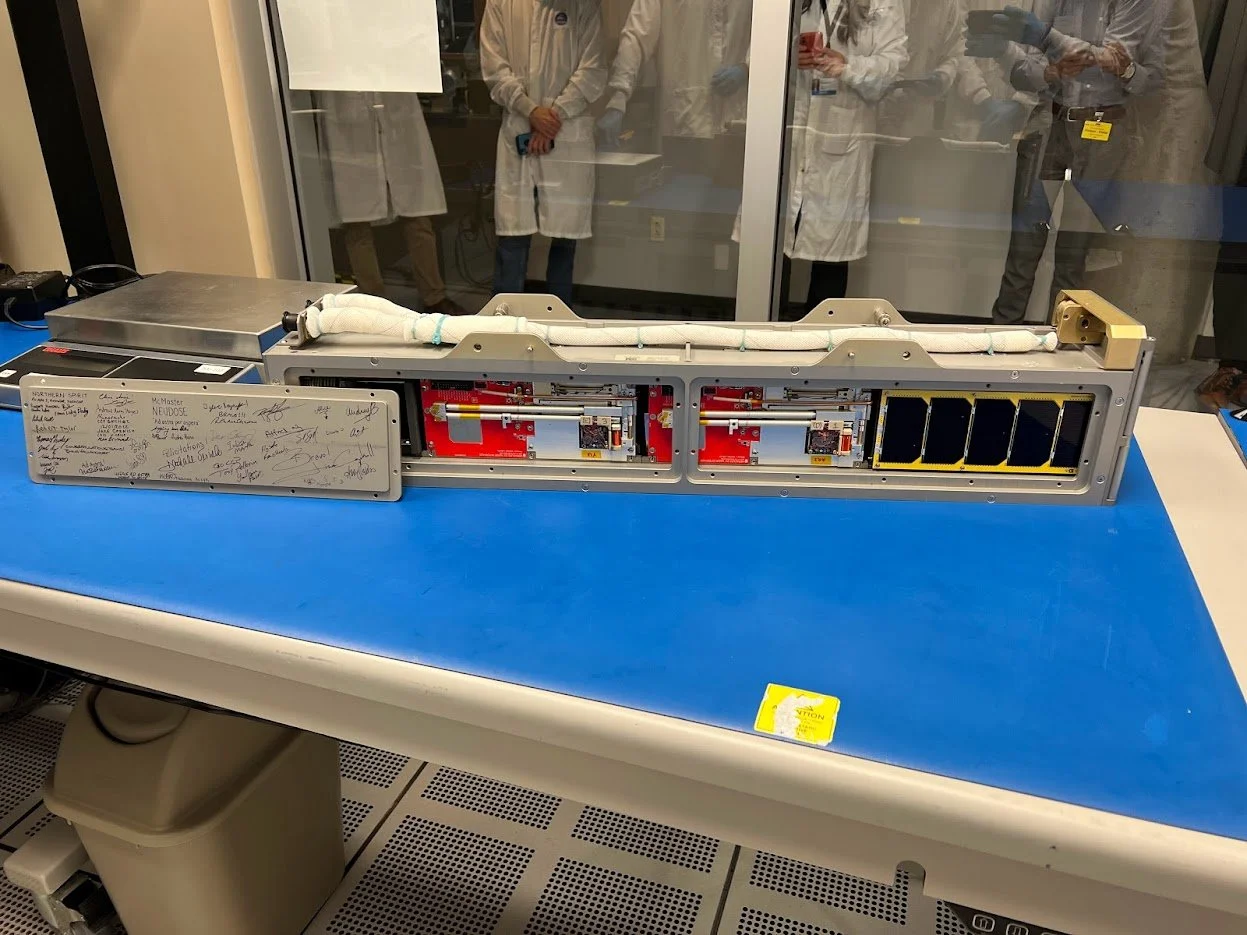
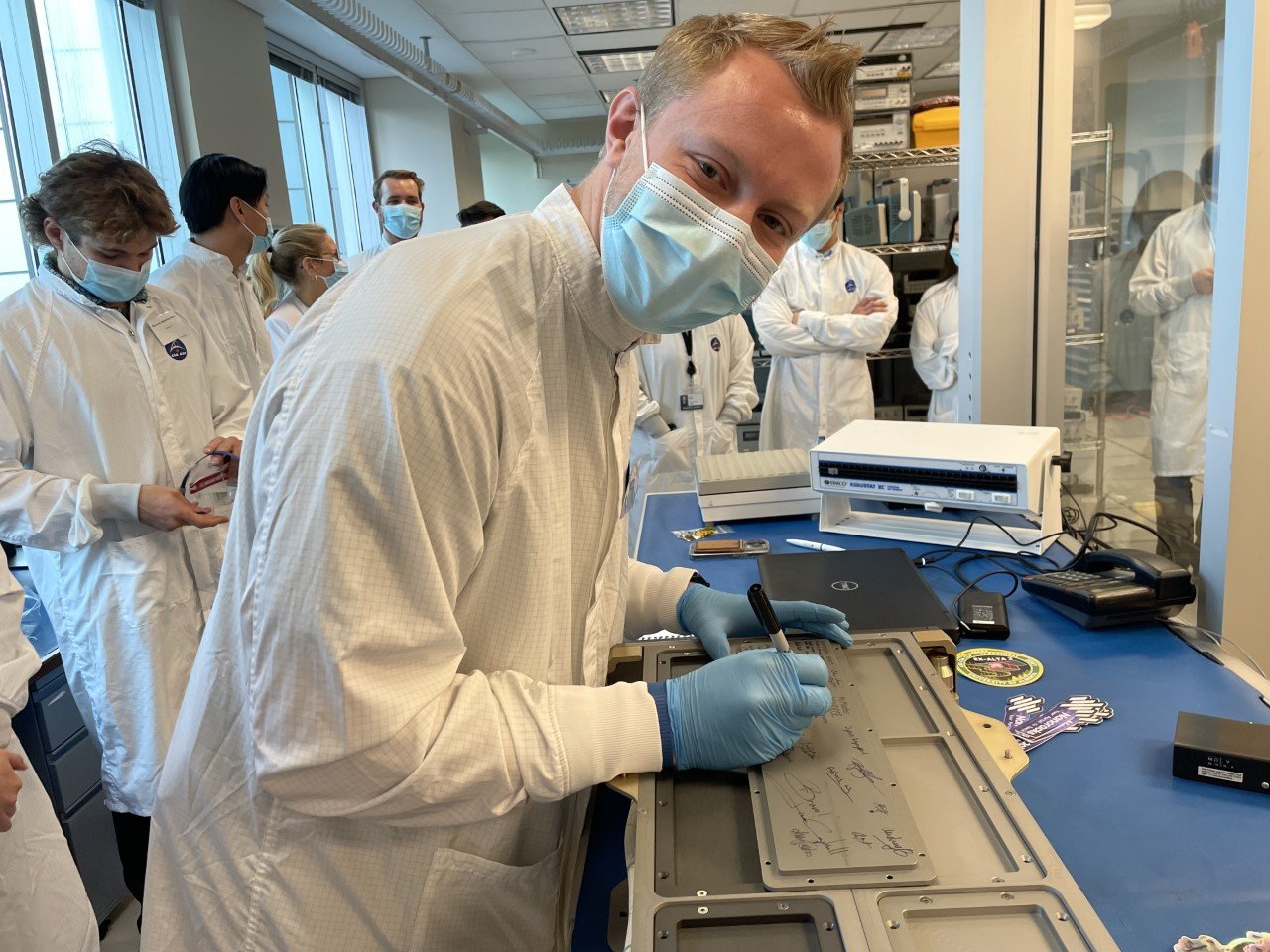
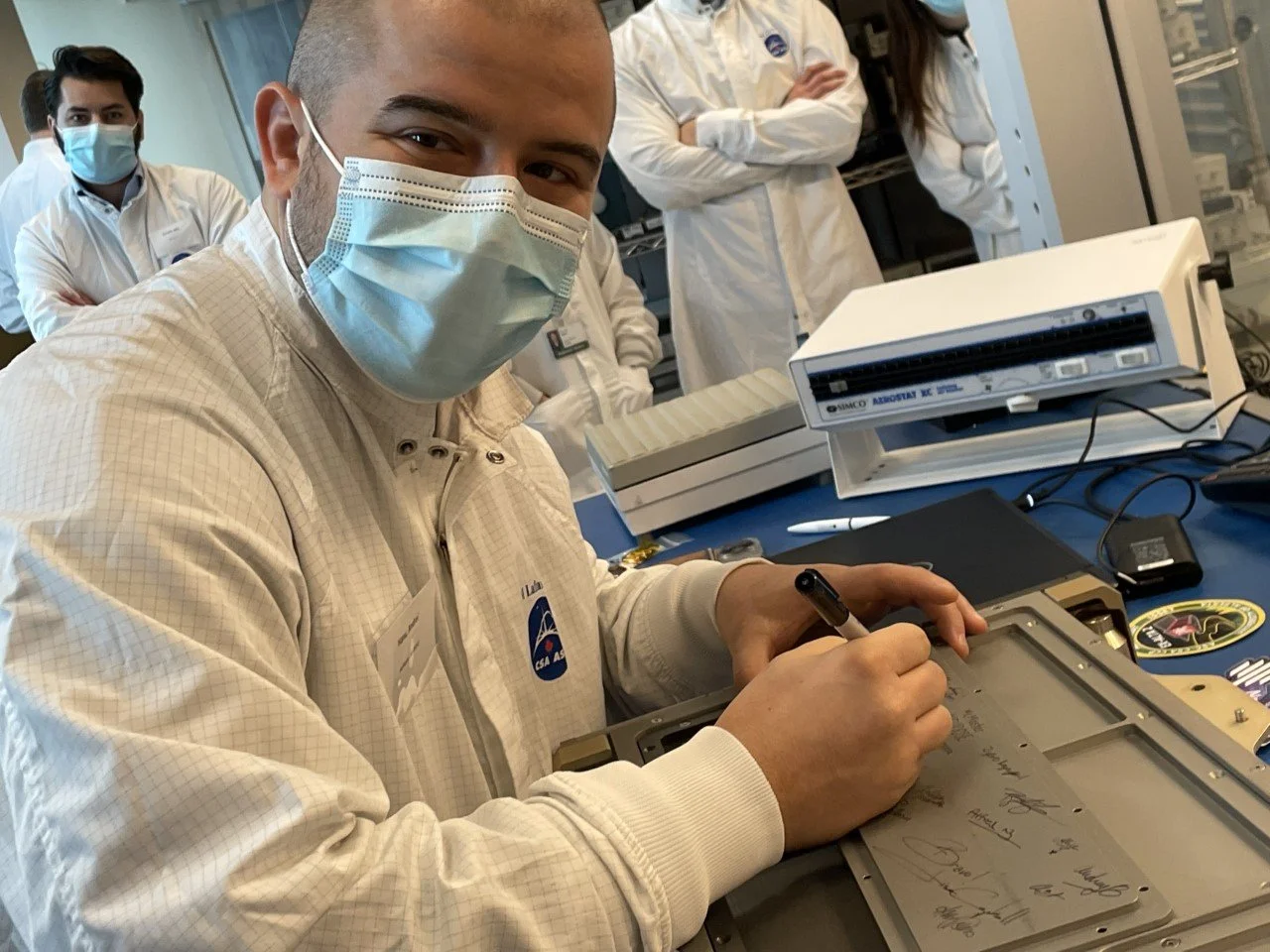
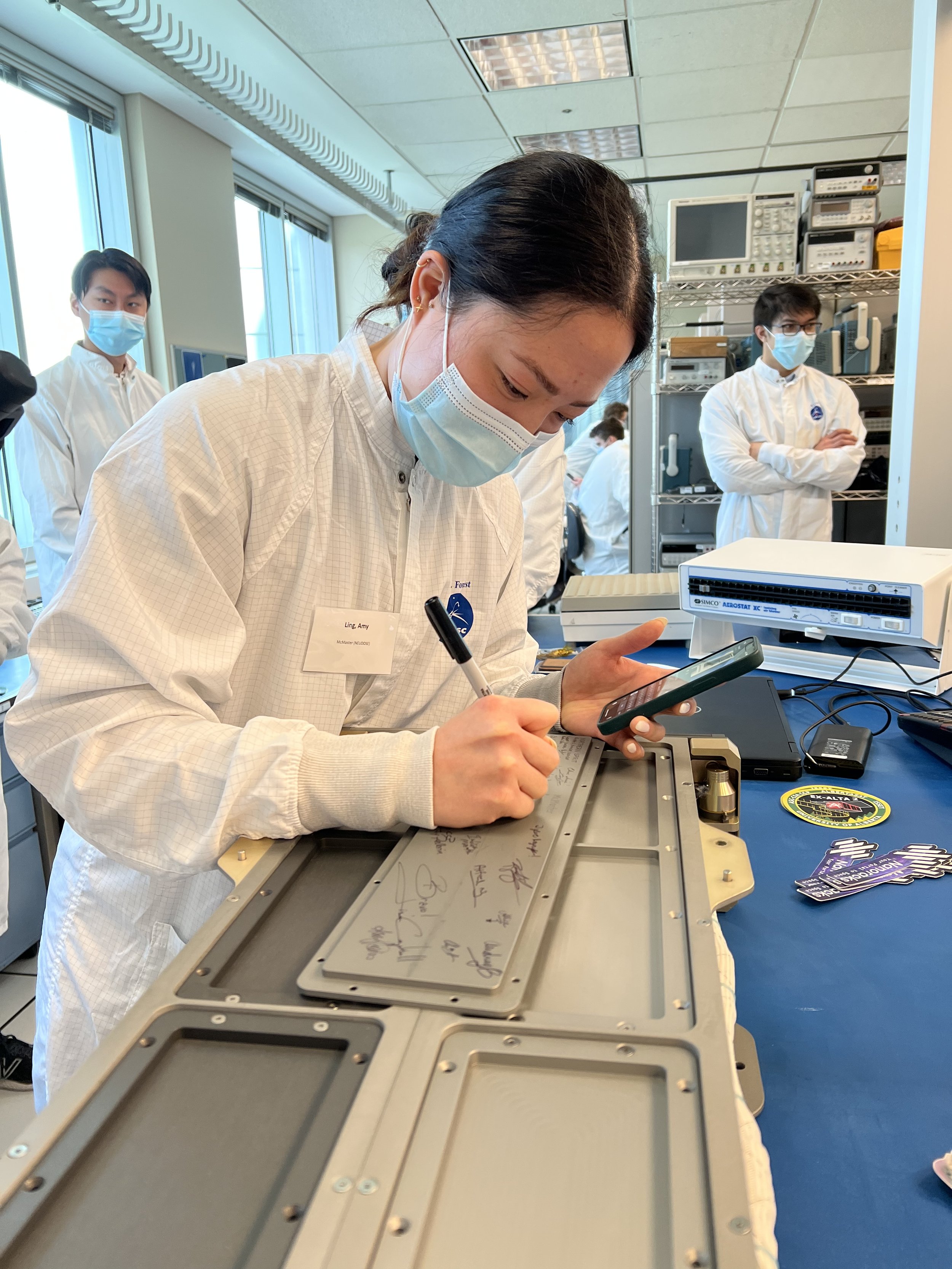
Engraved names of all students, researchers, collaborators, and principal investigators who contributed to the project, along with an engraved thank-you note to the Canadian Nuclear Industry, recognizing their support of the NEUDOSE project from its infancy to its launch into low-Earth orbit.
A dedication to Francis "Frank" Saunders for his unwavering support, positive spirit, and advocacy for the mission.
Why are they yellow?
The yellow appearance of the solar panels is due to a white solder mask beneath a translucent, copper-colored Kapton coverlay. While the white solder mask absorbs minimal visible light for effective passive thermal management, it does absorb infrared light, which can lead to overheating. The Kapton coverlay, known for its excellent infrared emissivity, helps mitigate this issue, creating an effective passive thermal solution for the panels. Plus, we think it looks great!
Development Status
The solar panel design and construction techniques used on NEUDOSE are at a high technology readiness level (TRL 9), meaning the design has been validated in relevant environmental conditions, ensuring reliability in space.
Communications Module
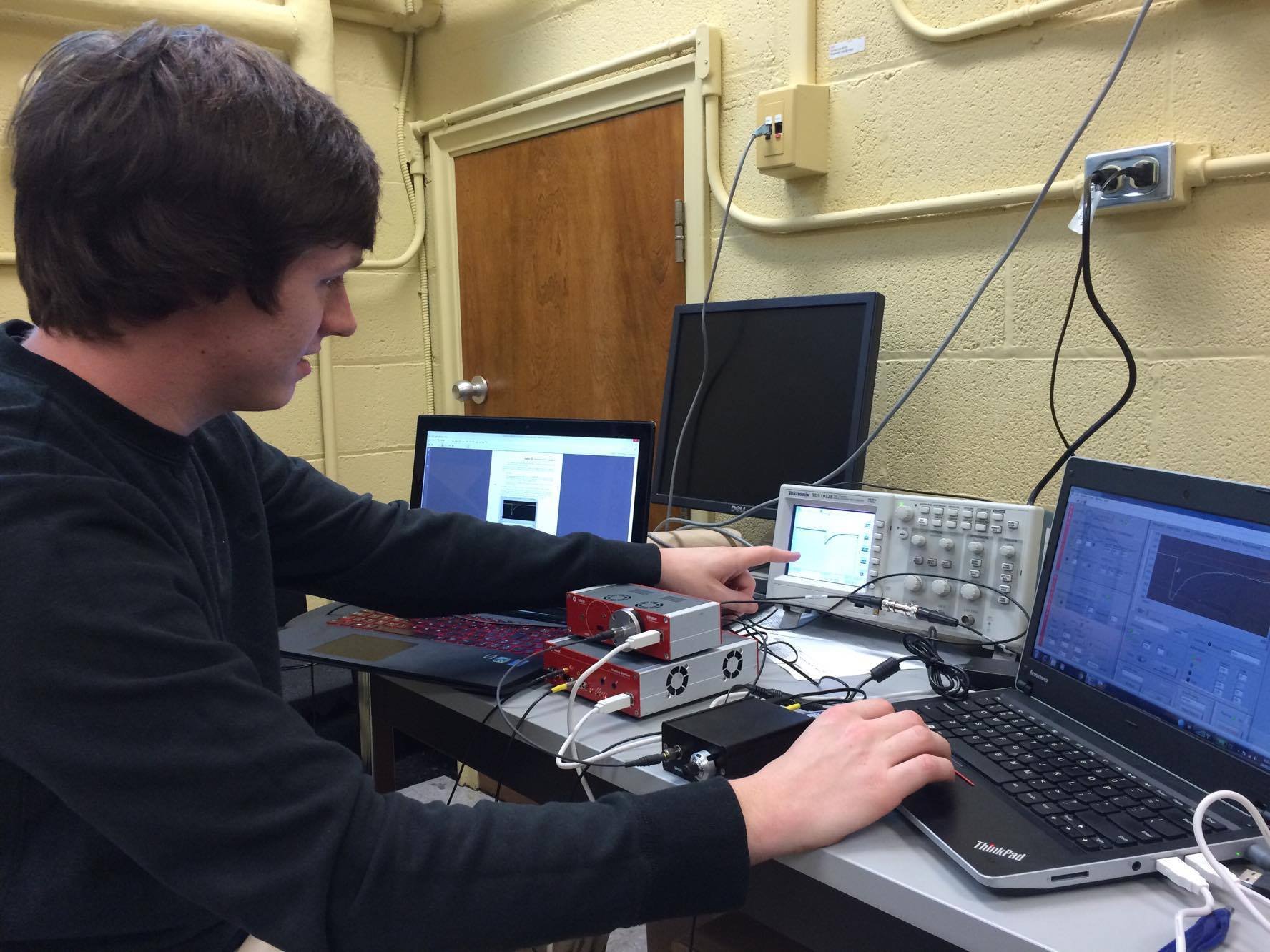
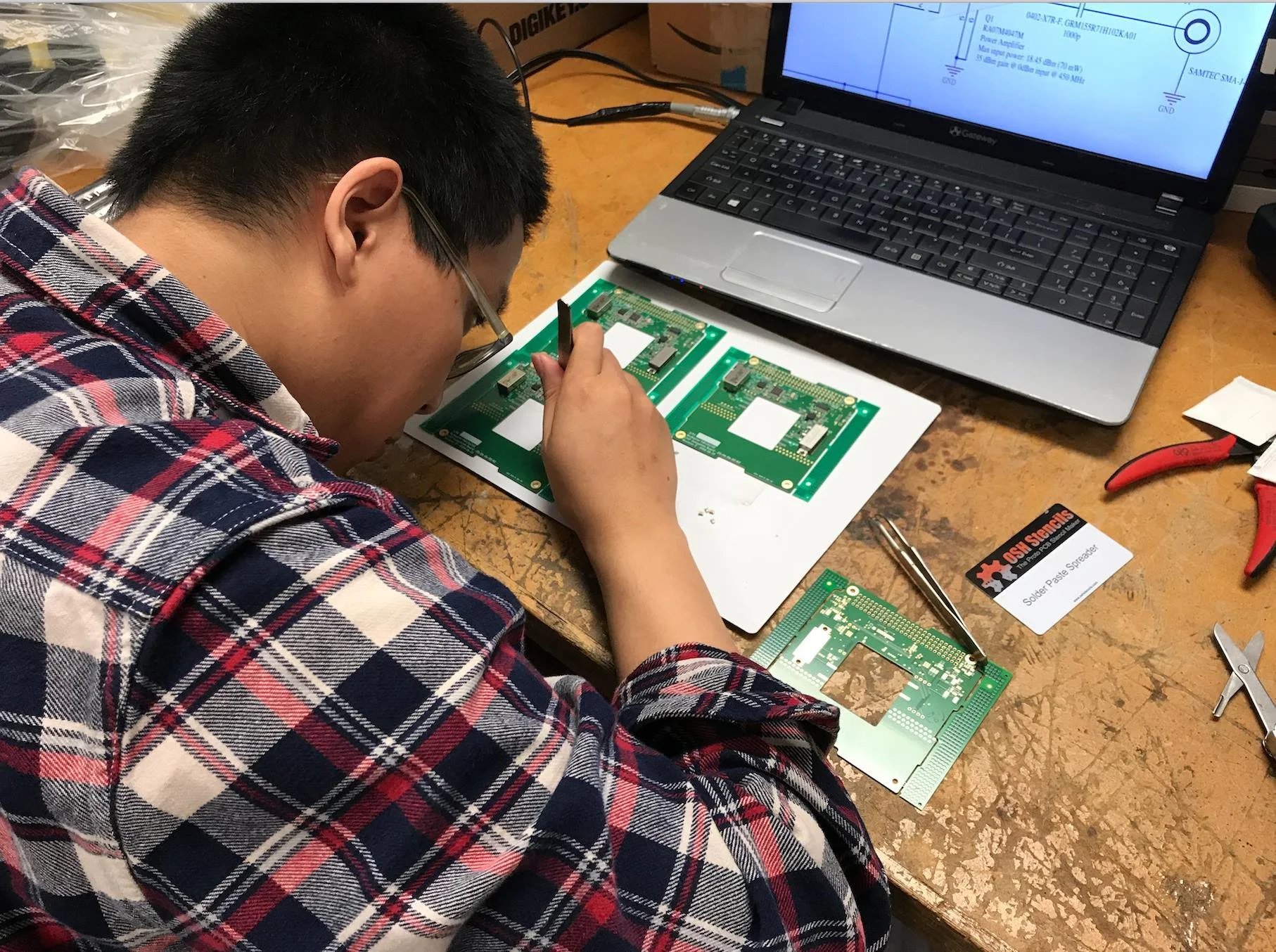
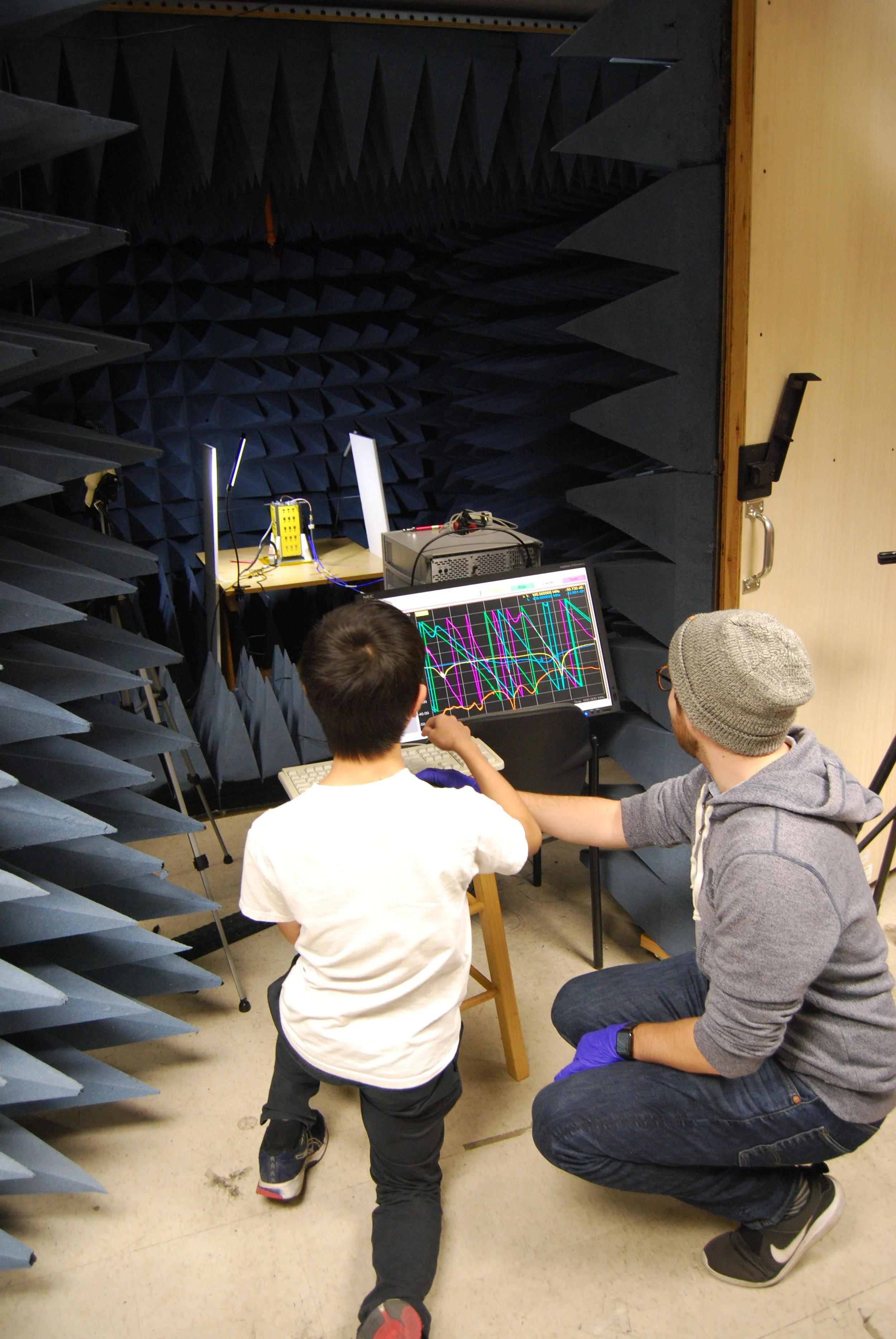
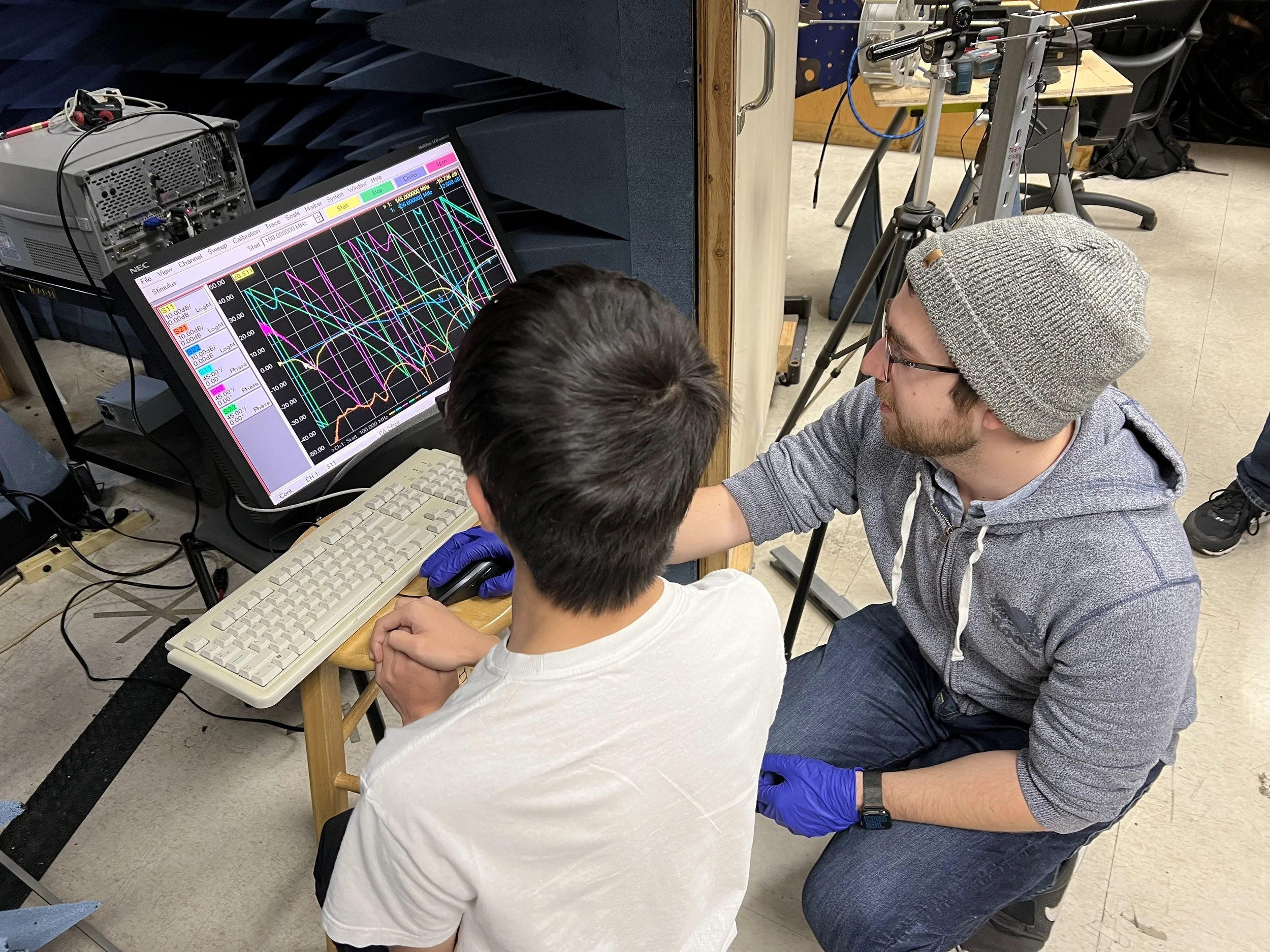
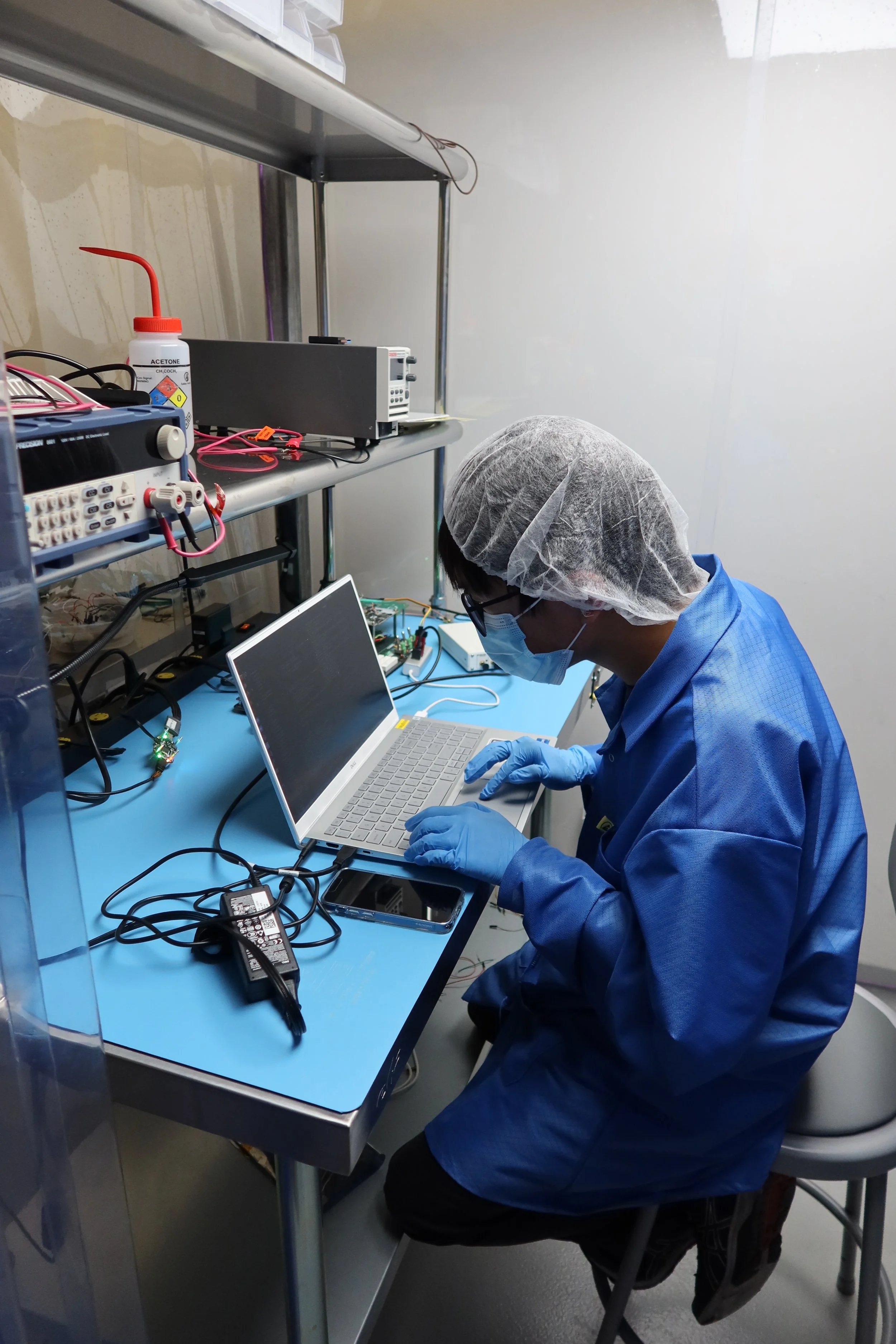
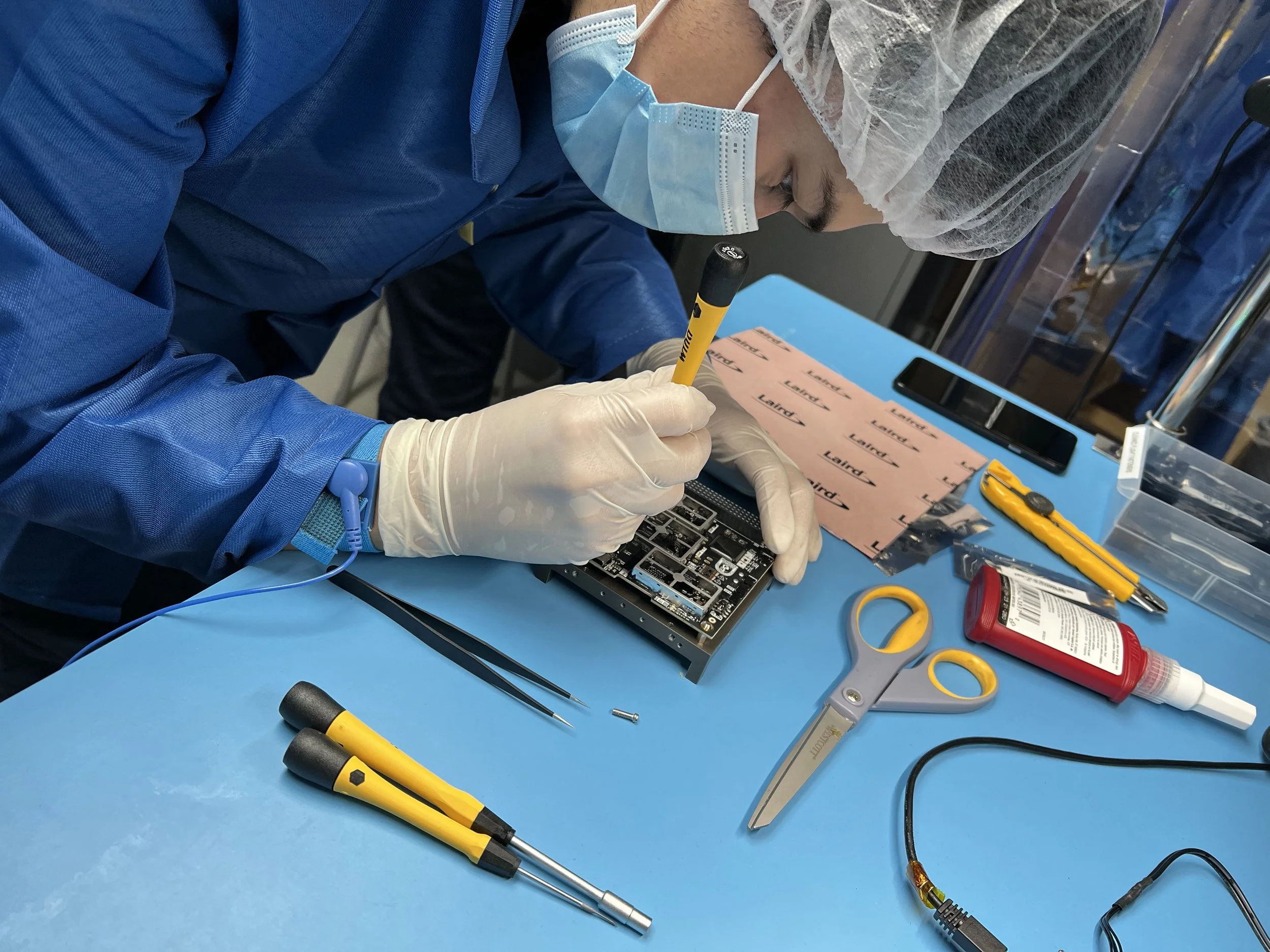
Students and researchers at MSTRI designed, assembled and tested the communications module to establish two-way communication with the NEUDOSE spacecraft. In development since 2015, MSTRI amateur radio operators used state-of-the-art radio frequency components and design approaches to use amateur radio bands for satellite communication.
This radio provided an educational platform for our members to learn about the amateur radio community and become qualified amateur radio operators.
Key Characteristics
Frequency Bands: 144-148 MHz Uplink, 435-438 MHz Downlink
Tx/Rx Operation: Full Duplex
Modulation & Data Rate: 2-GFSK, 9600 bps
Transmit Power: 30.4 dBm
Supply Voltage: 3.3 V (Digital) & 5 V (RF)
Power Consumption:
220 mW @ 3.3V
375 mW at 5.0V (Rx Idle Only)
4025 mW at 5.0V (Rx Idle + Tx Burst)
Data Whitening: PN9
Forward Error Correction (FEC): Uplink and downlink use an in-house optimized Reed-Solomon (RS) with Convolution Code (CC) error correction approach
Development Status
The communications module is at a high technology readiness level (TRL 8), meaning it has been thoroughly tested and is ready for real-world applications.
Ground Station
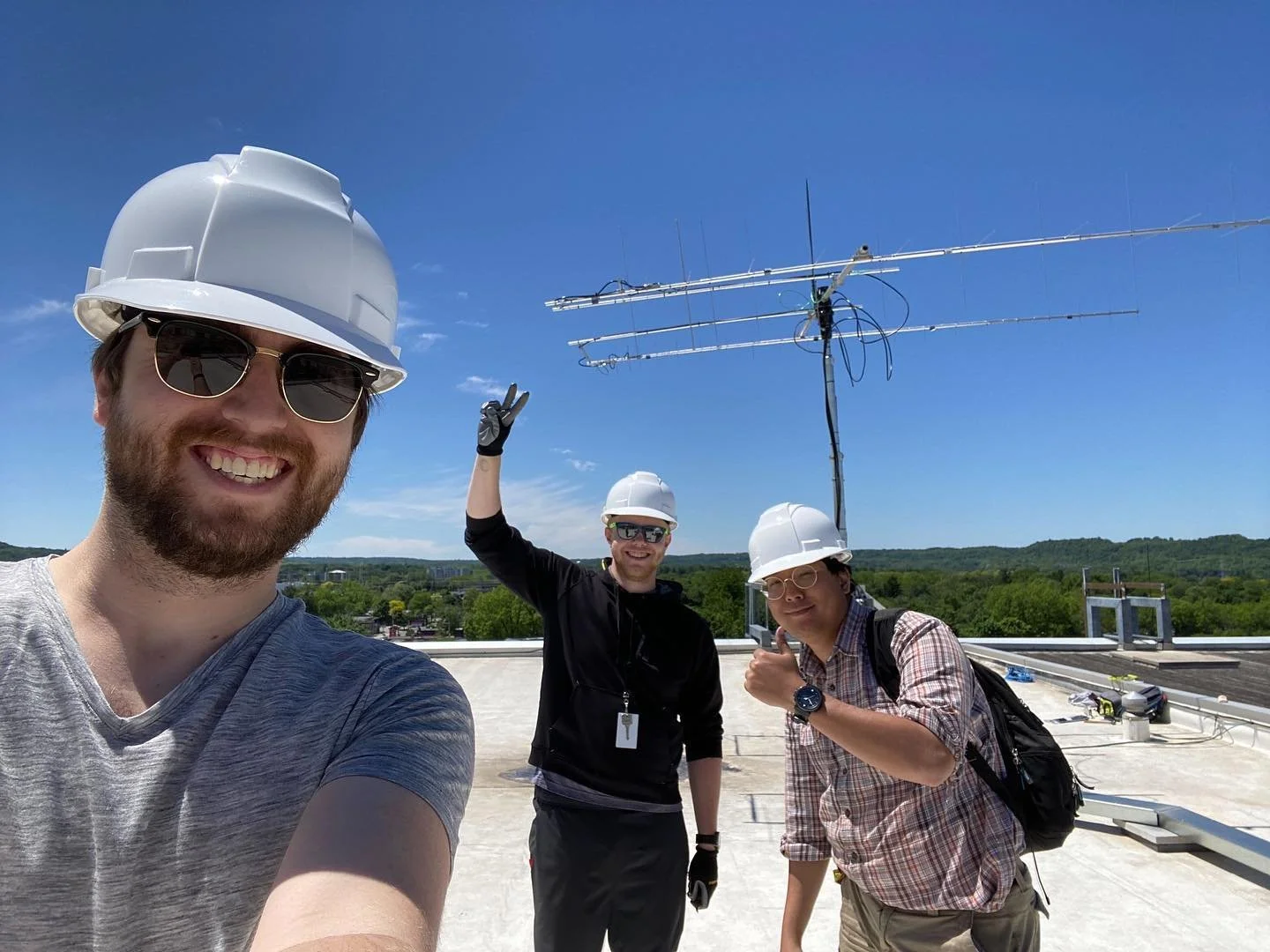
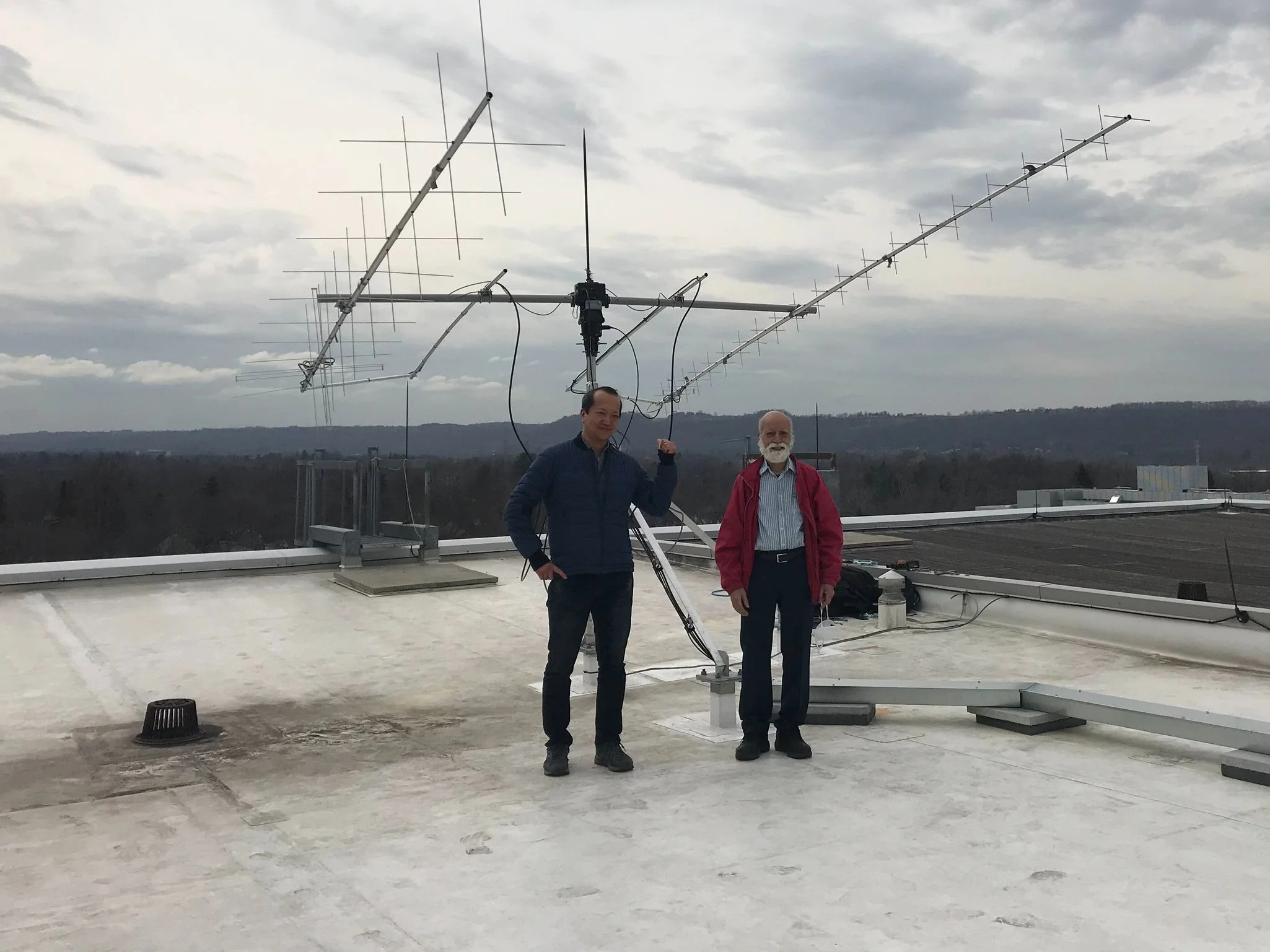
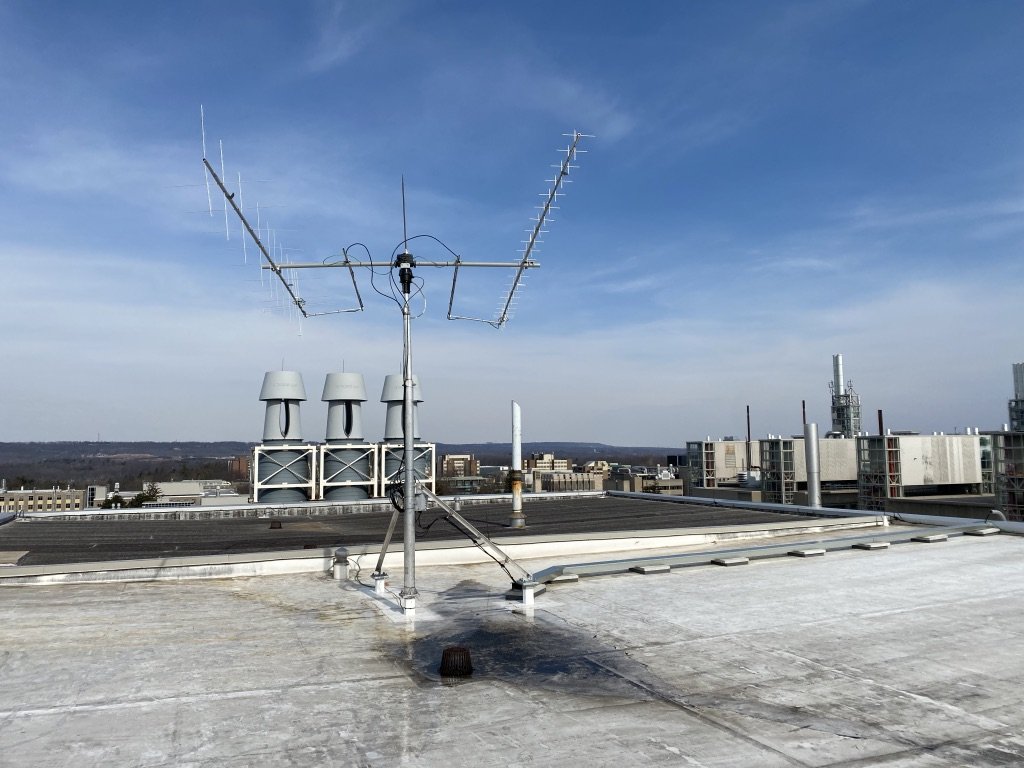
The MSTRI ground station is located on the roof of the Engineering Technology Building (ETB) at McMaster University. Equipped with two right-hand circularly polarized Yagi-Uda antennae and a full azimuth-elevation rotator, it provides MSTRI access to NEUDOSE while in orbit.
MSTRI members, with help from the W. Booth School of Engineering and Industry Contractors, took the ground station design from concept to implementation.
Why ETB Rooftop?
The ETB rooftop is one of the tallest points on campus, allowing for the furthest line of sight to the horizon. This increases the station’s coverage area of the sky and allows for more access windows with spacecraft.
What about the Mission Operations Centre (MOC)?
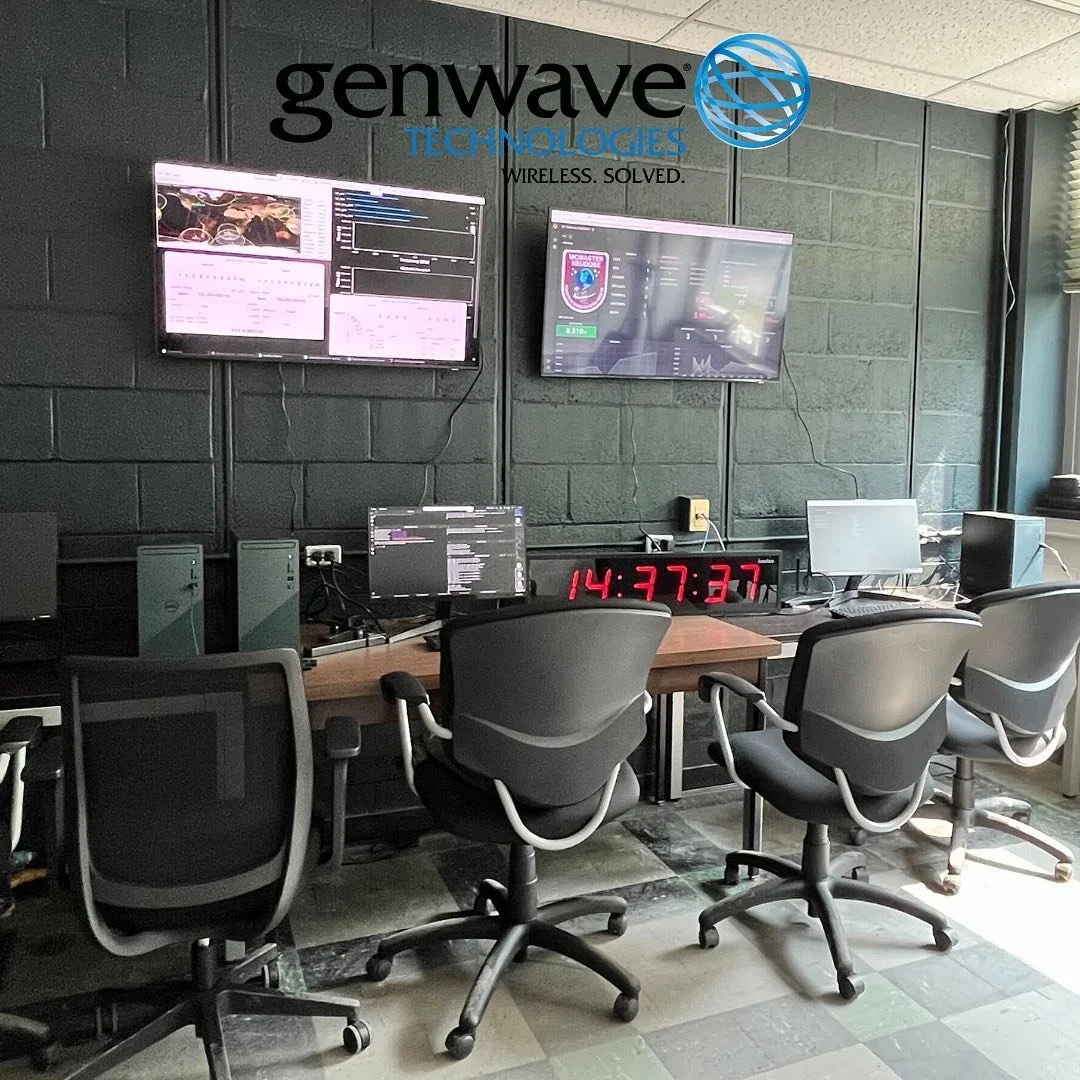
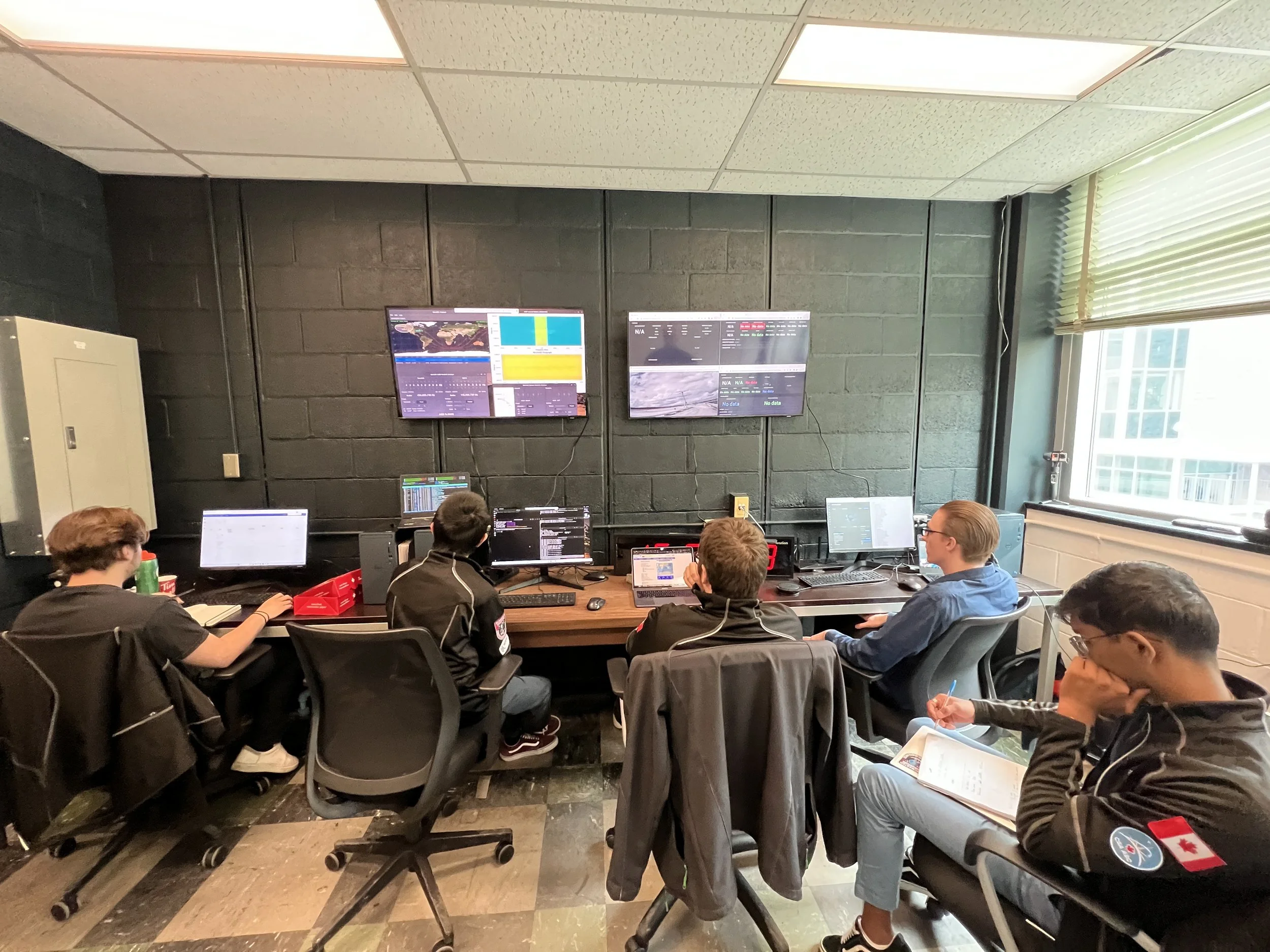
The MOC center is located on campus and allows controlled access to the ground station. Our MOC center allows remote control and monitoring of our ground station while servicing the needs of our spacecraft operators.
Development Status
The ground station and MOC center are built and fully operational under the VA3MCM call sign. The Earth-based station is currently open to MSTRI amateur radio operators, and we are improving our infrastructure to support amateur radio community use and future missions.
What happened to NEUDOSE?
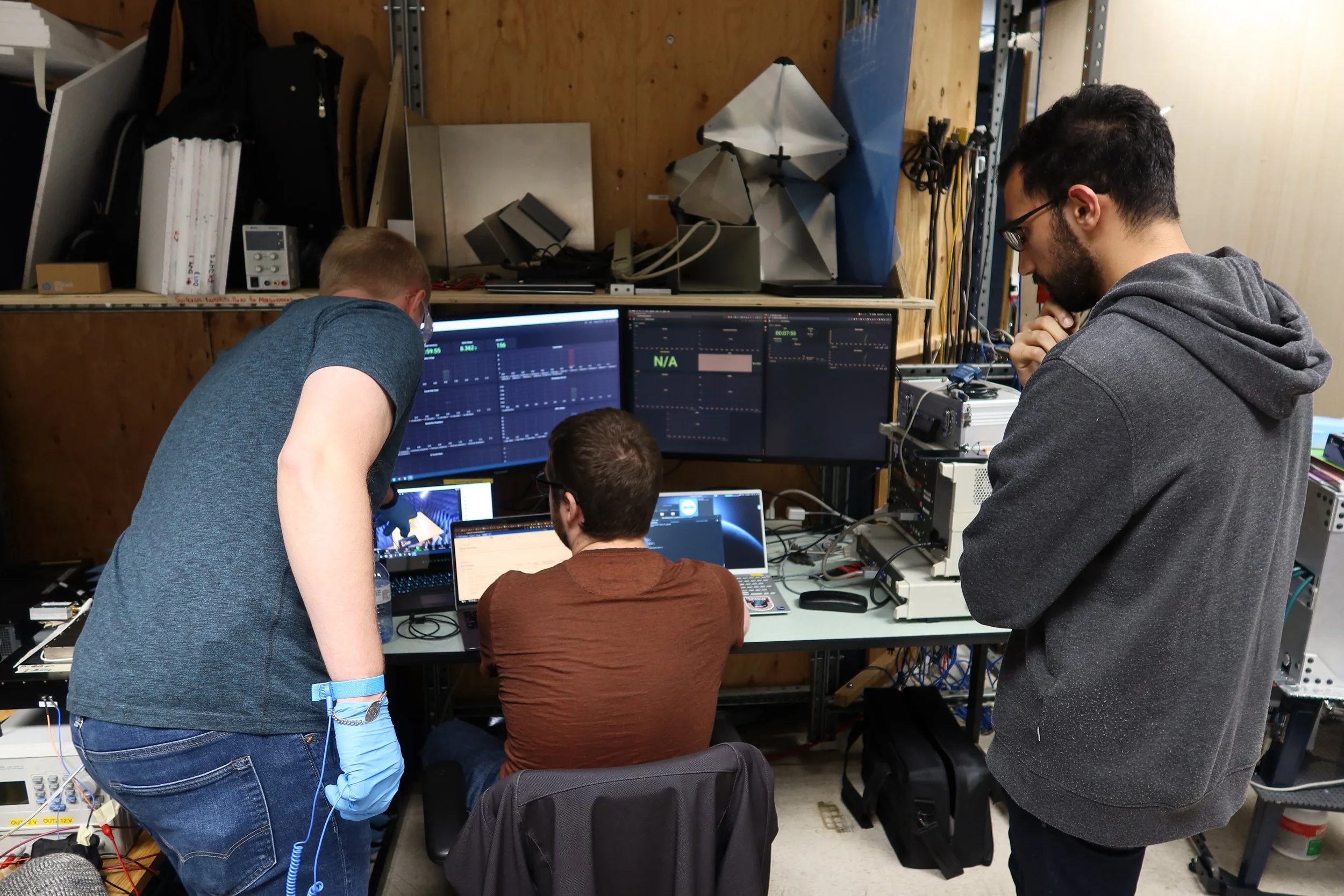
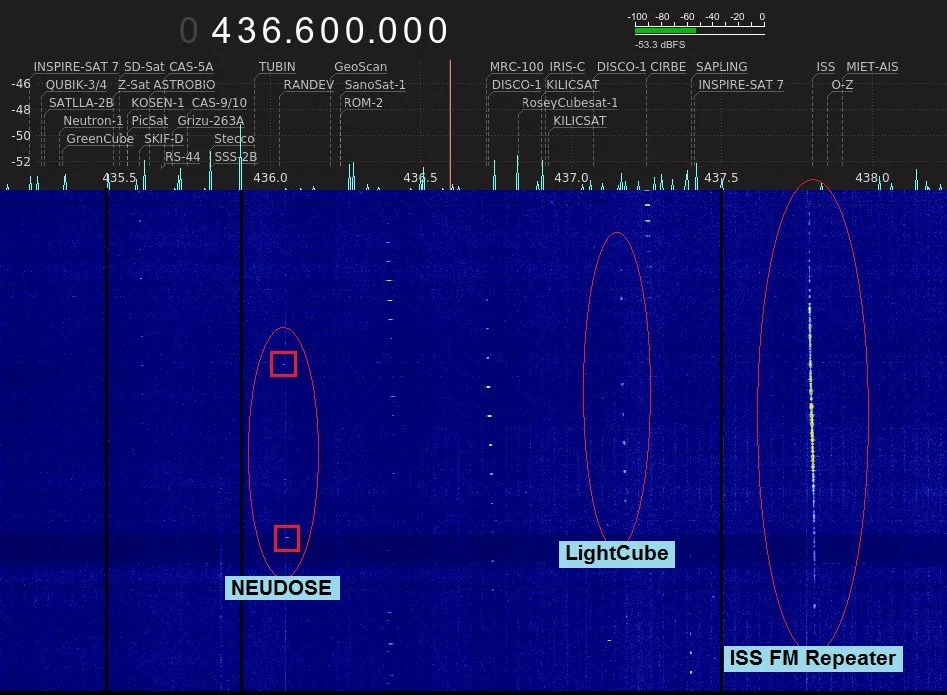
NEUDOSE was successfully deployed from the International Space Station (ISS) on April 24, 2023, at 12:15 UTC. Within just 36 minutes of deployment, amateur radio operators in southern Australia received the first signals from the CubeSat. Throughout its time in orbit, student operators at McMaster University worked diligently to establish two-way communication and commission the instrument’s systems.
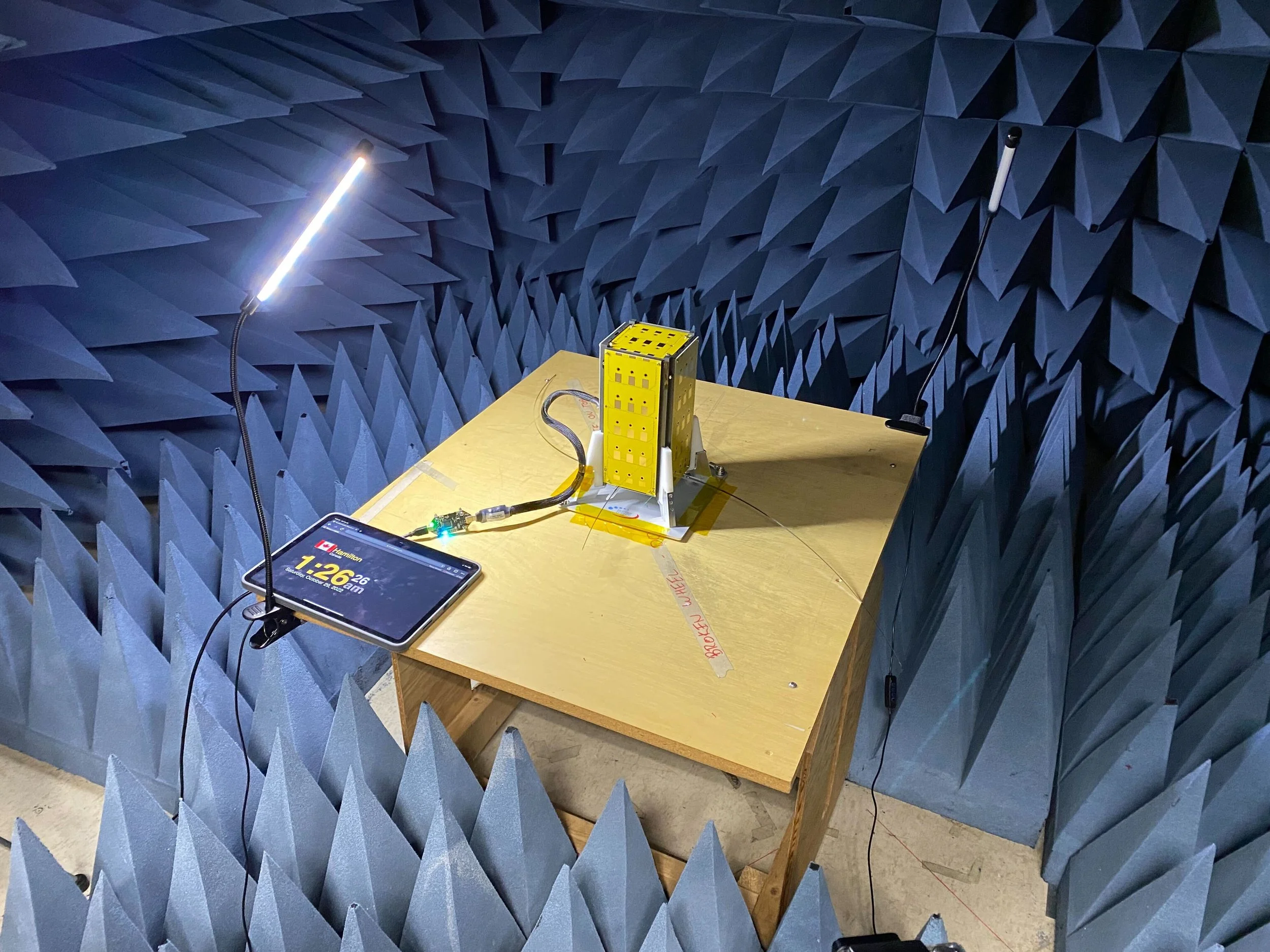
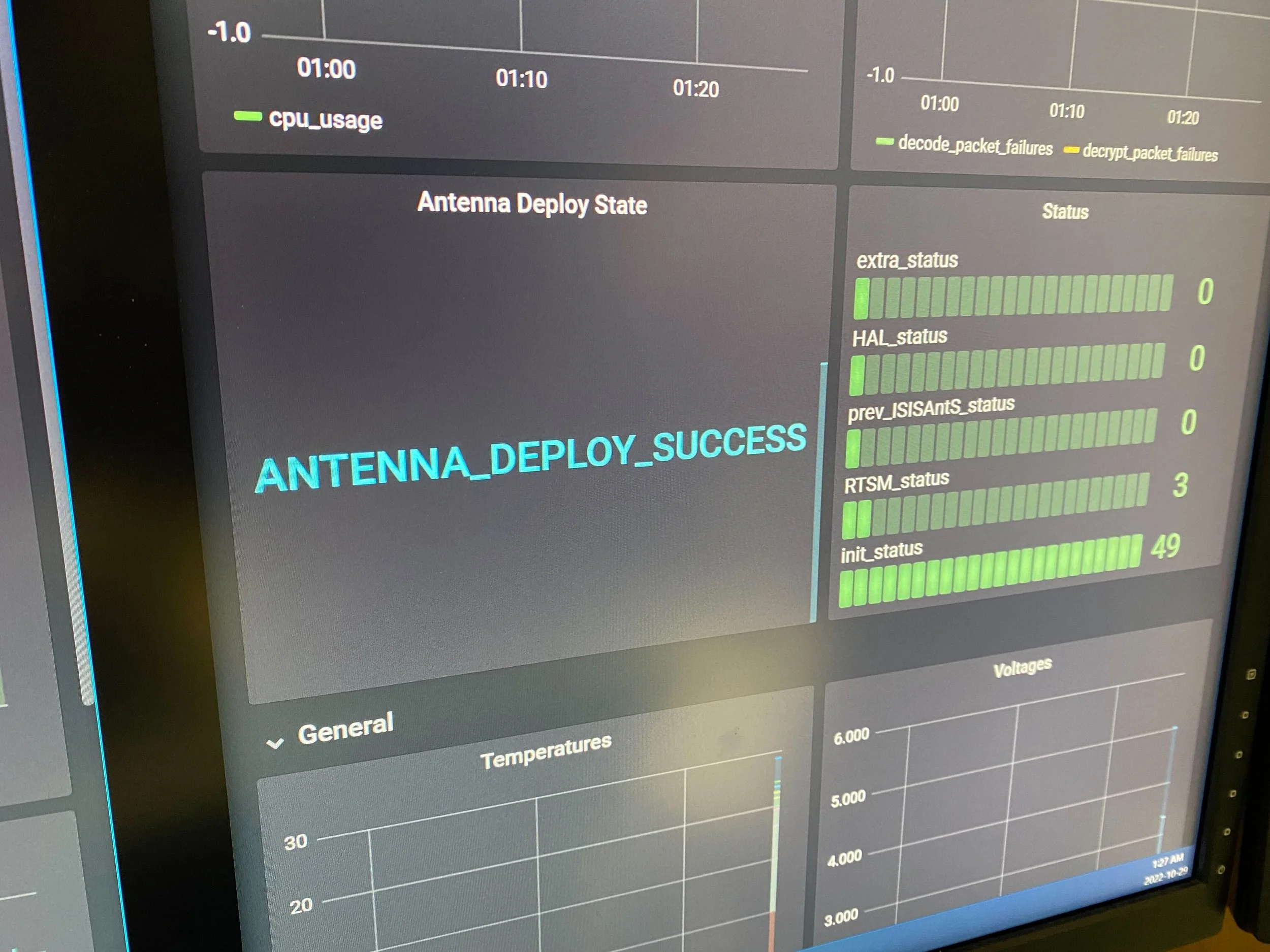
Telemetry received early in the mission confirmed that NEUDOSE was generating power and was in a power-positive state. Additionally, all deployable systems functioned as intended, and all components operated within their designed thermal range, indicating that they were neither too hot nor too cold.
Unfortunately, a software anomaly arose due to NEUDOSE's requirement for ground contact within 24 hours of deployment; failure to establish this contact triggers an automatic system reset. Testing this requirement on the ground proved challenging, contributing to the difficulties encountered. As a result, NEUDOSE entered a perpetual boot loop, which hindered successful communication and system commissioning. Nevertheless, the CubeSat’s custom-designed radio system was confirmed to be operational, offering valuable insights for future missions.
Due to the absence of a propulsion system and its launch into a low-altitude orbit, NEUDOSE reentered the atmosphere in November 2023.
Mission Achievements
Training the Next Generation
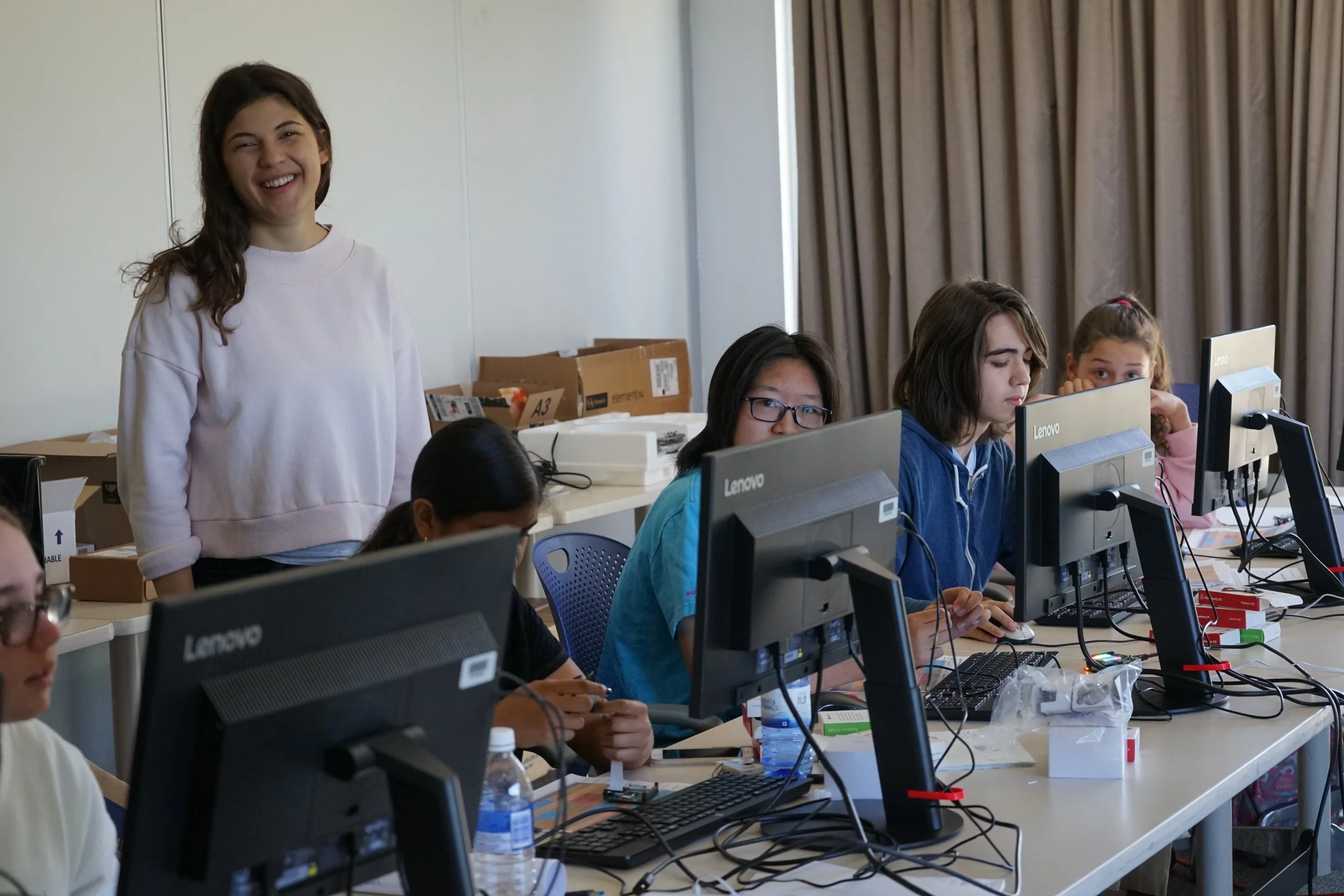
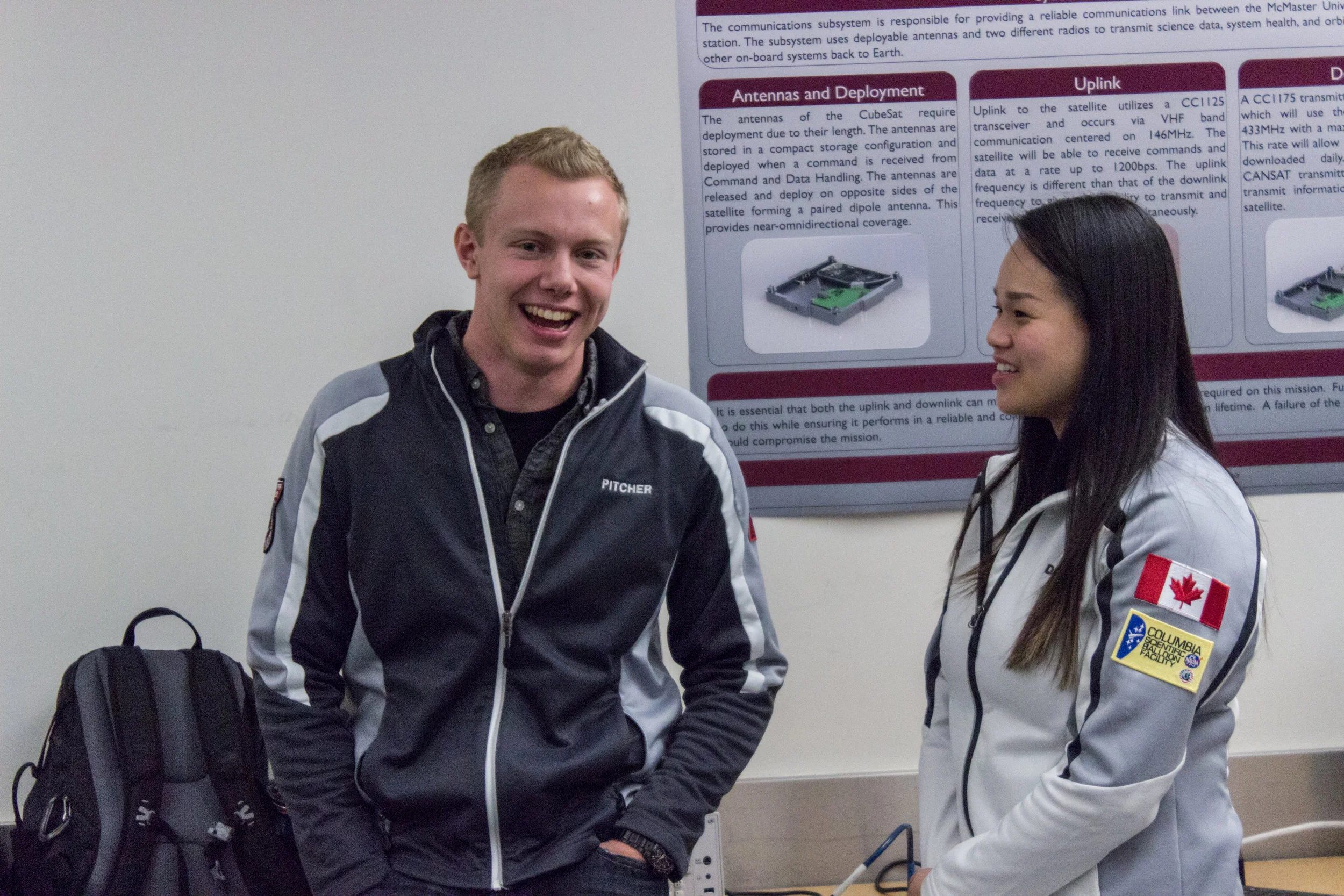
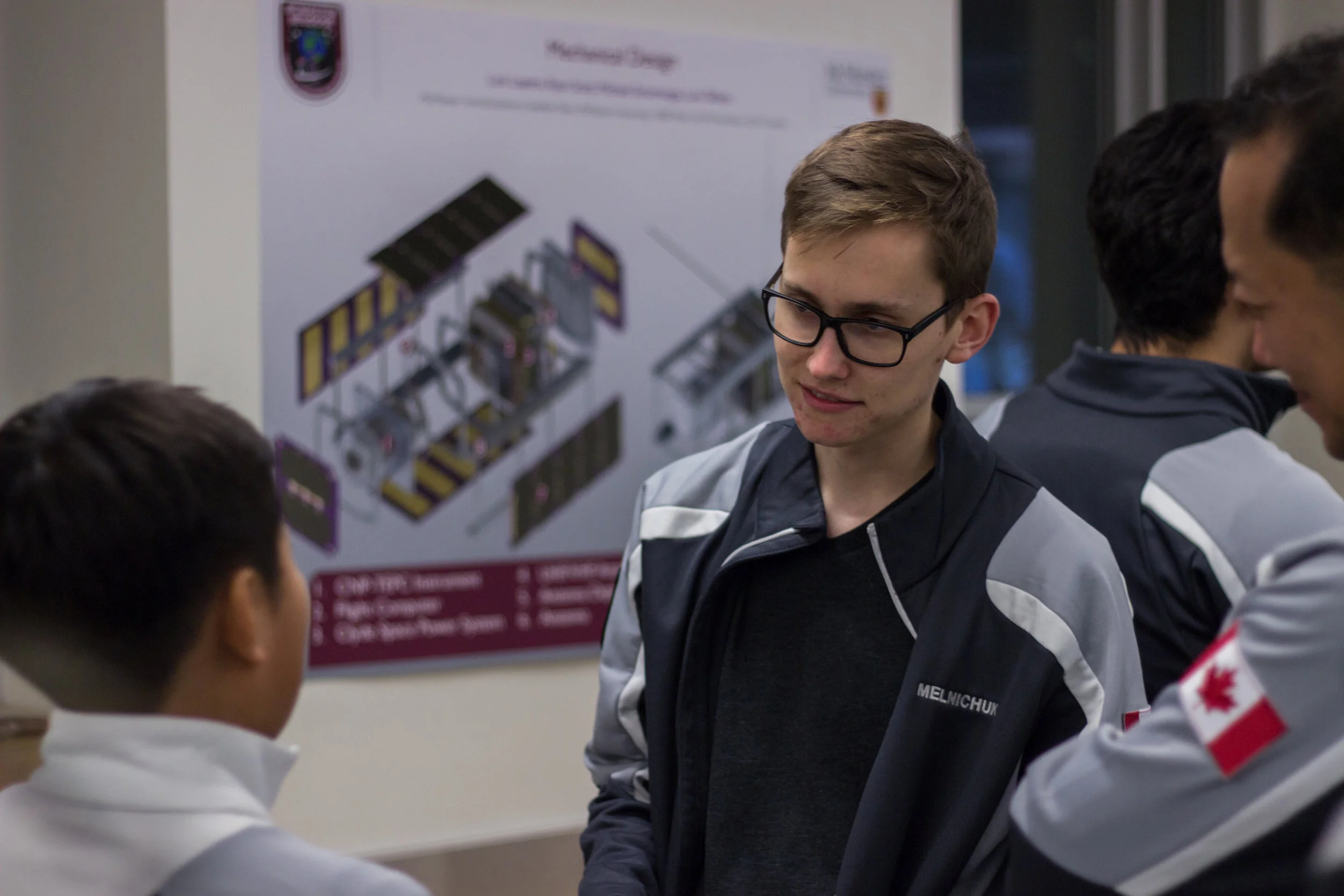
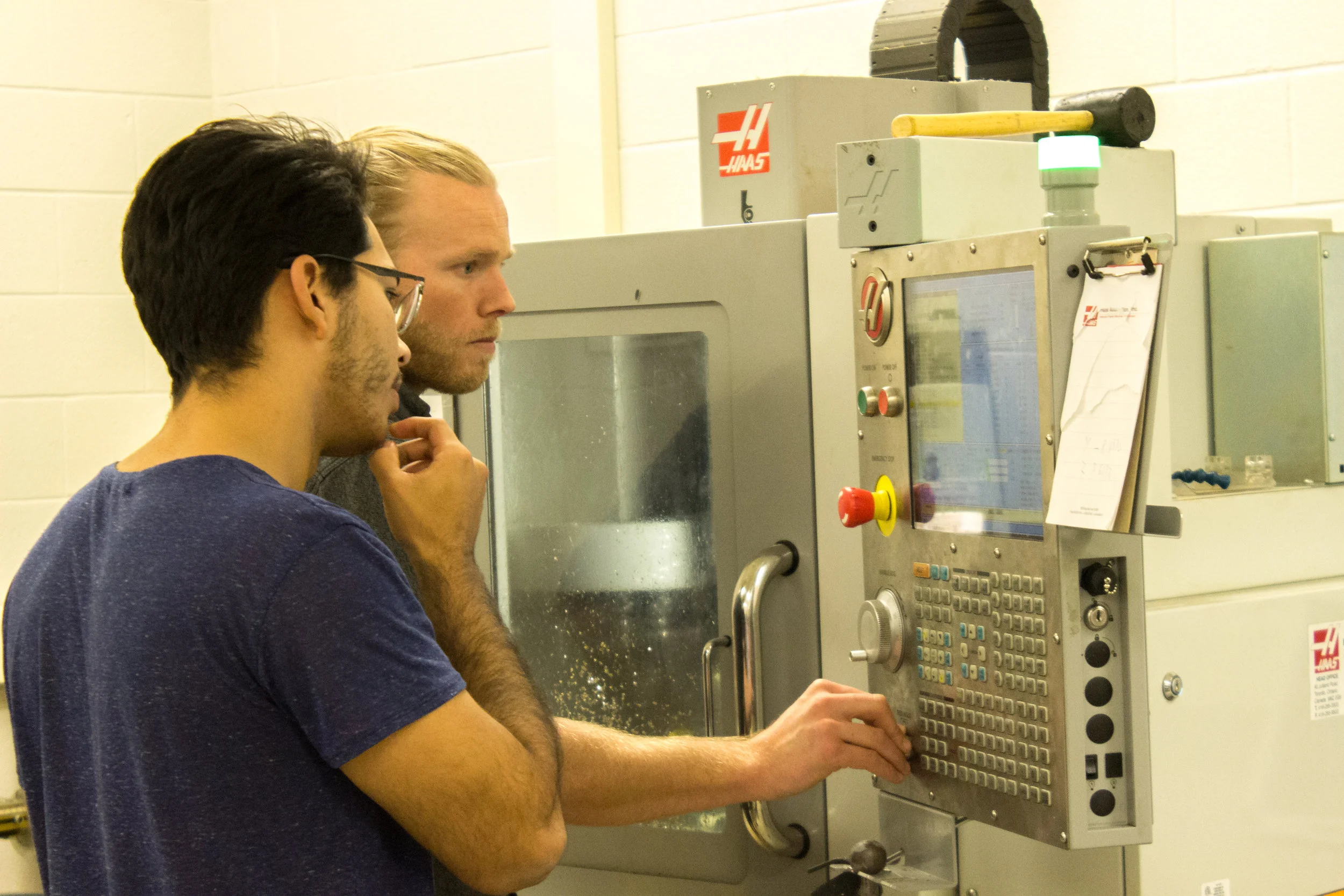
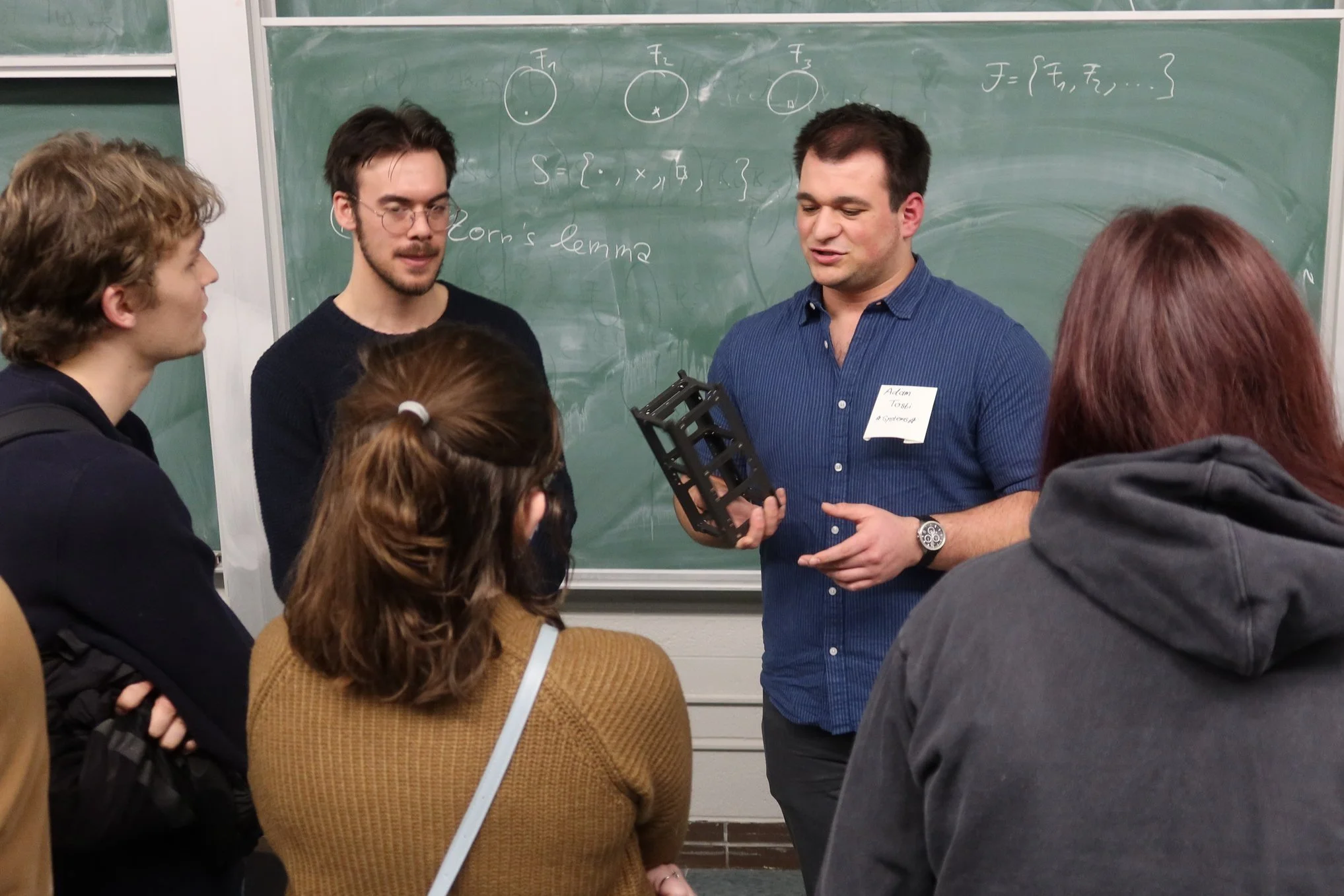
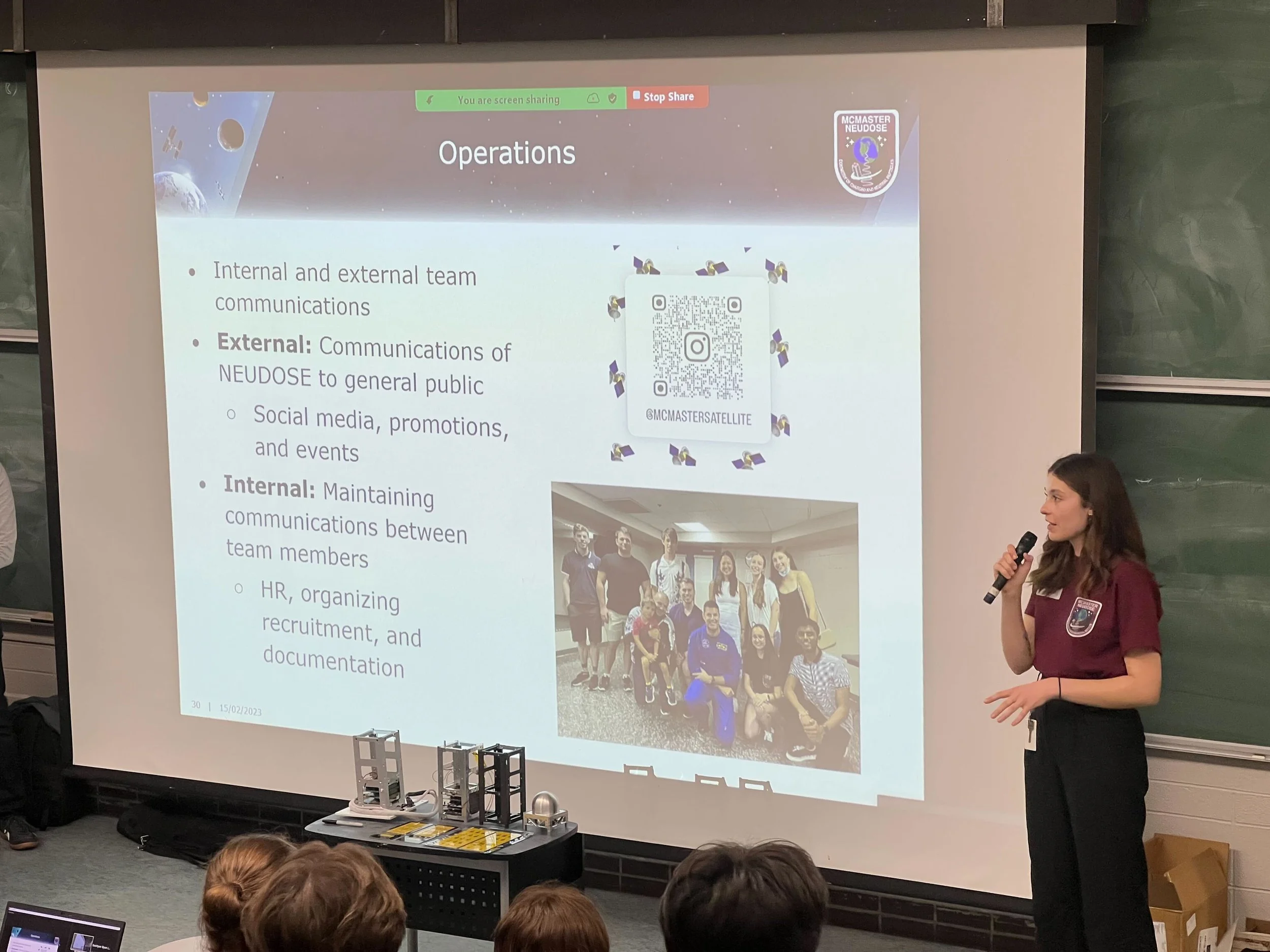
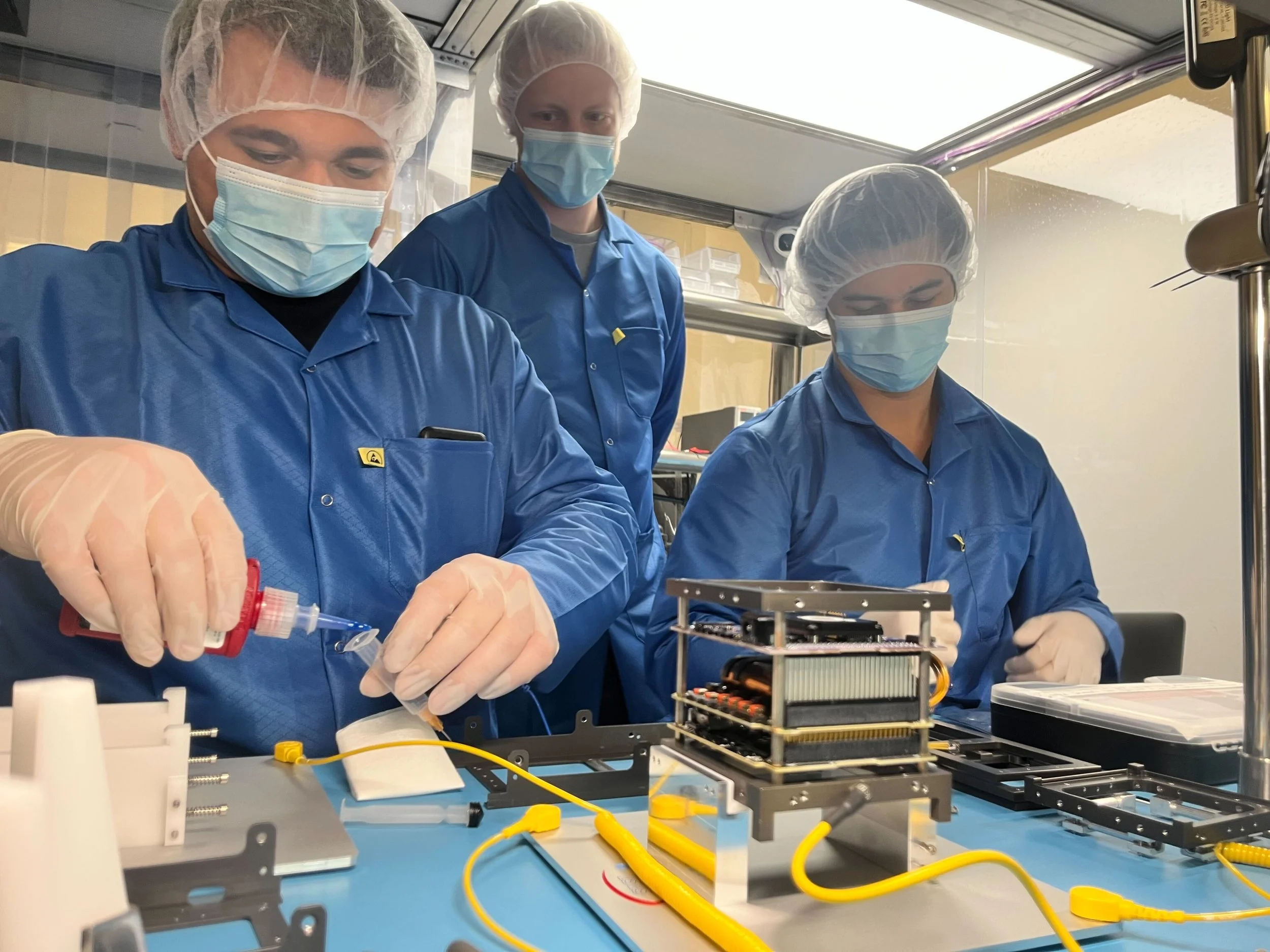
As the first-ever space mission from McMaster University, the education objective of the NEUDOSE mission was to train the next generation of engineers, scientists, entrepreneurs, and business leaders. Students will develop science, technology, engineering, and mathematics (STEM) skills essential for their future success through hands-on scientific discovery.
Student Development
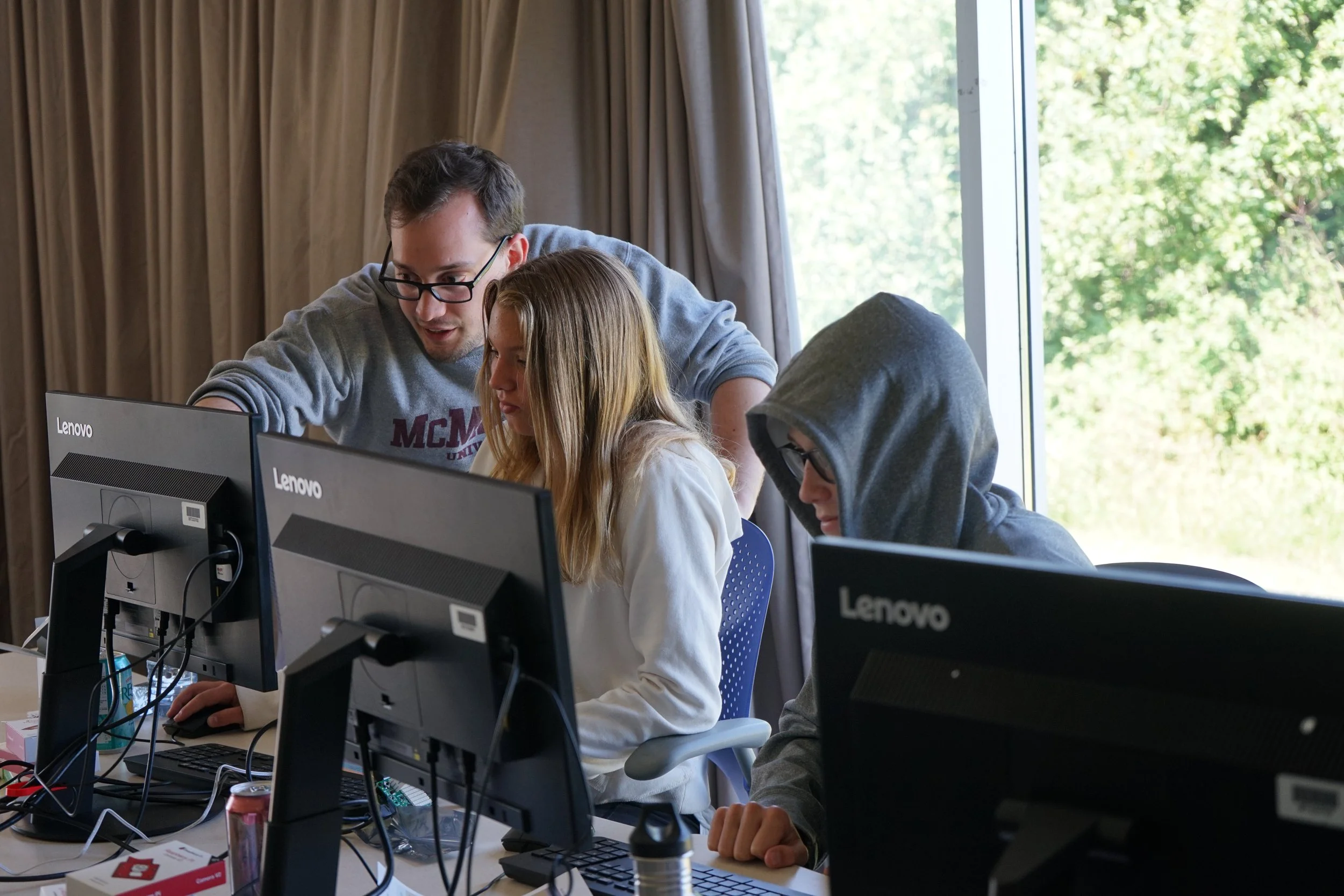
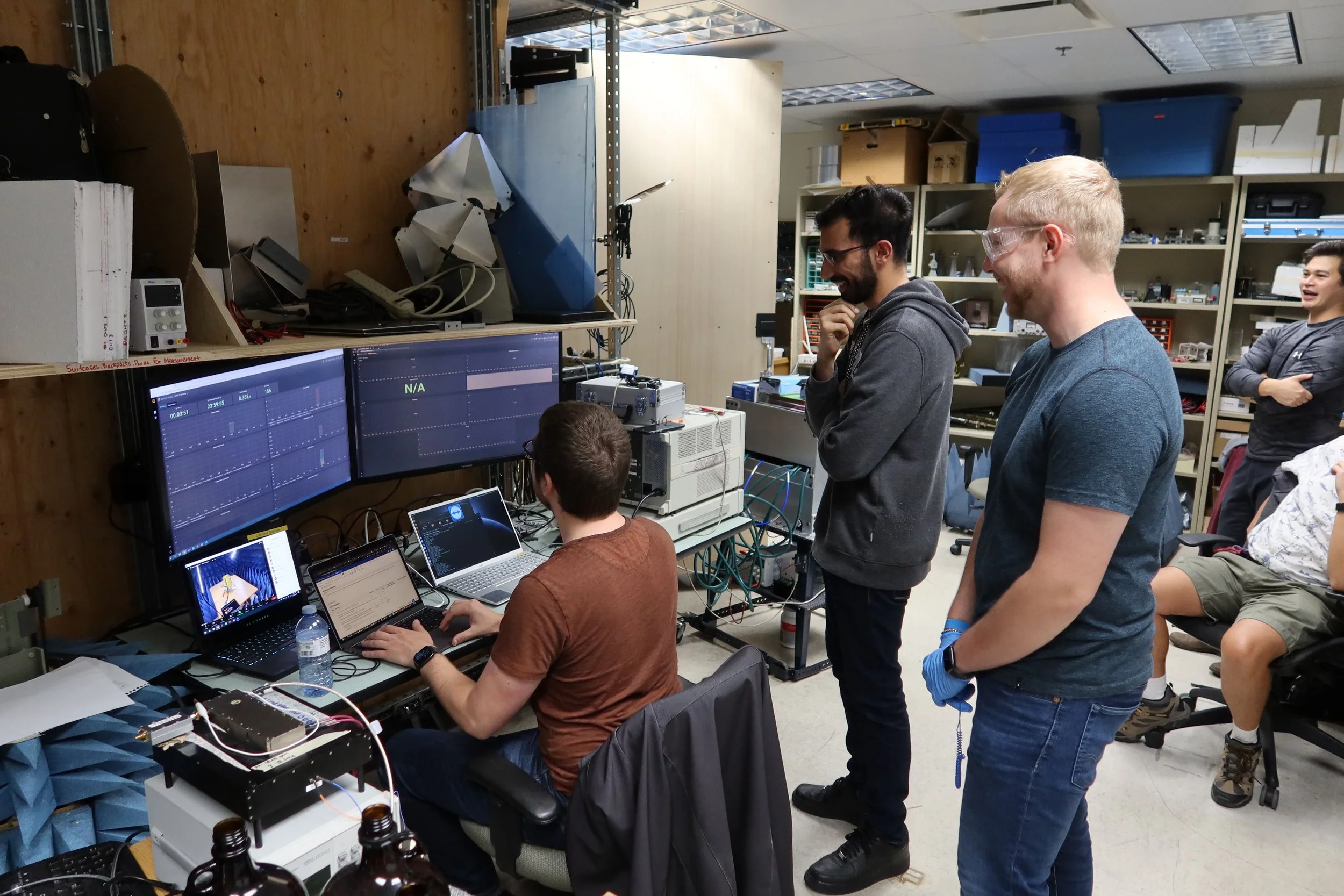
Participation in this project contributed to student development and the formation of the next generation of highly qualified personnel (HQP). Students had major responsibility for the design and implementation of the instruments and subsystems while being mentored by professionals in each expert area.
Scientific Instrument Development
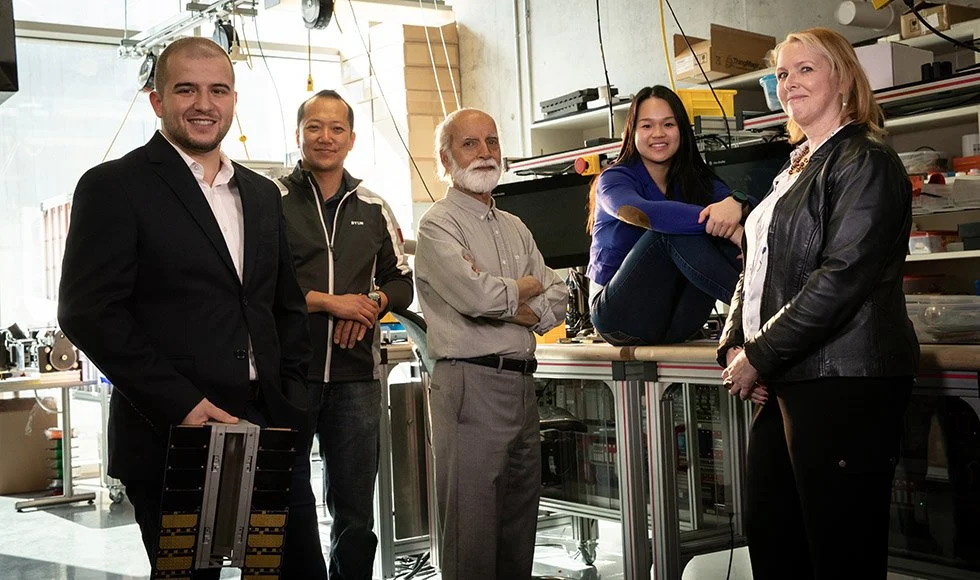
The NEUDOSE mission marked a significant advancement in scientific instrument development at McMaster University, spearheaded by Drs. Andrei Hanu, Soo Hyun Byun, and Eric Johnston. The CNP-TEPC instrument was the first achievement in this journey, designed to enhance our understanding of radiation exposure in space. It is set to be tested on future missions aboard the International Space Station (ISS), as well as on upcoming missions to the Moon, Mars, and beyond.
In addition to the CNP-TEPC, the team is actively developing other radiation characterization instruments for the PRESET mission, along with high-resolution magnetometers. These efforts aim to further expand McMaster’s capabilities in space science and contribute to the safe exploration of extraterrestrial environments.
CubeSat’s for Scientific Exploration
The NEUDOSE mission exemplified a pioneering approach to CubeSat development for scientific exploration at McMaster University. This mission leveraged the compact and cost-effective nature of CubeSats to conduct important research on space radiation and its effects on human health. It laid the groundwork for McMaster's continued commitment to advancing CubeSat technology and scientific research, providing students with valuable opportunities to contribute to the future of space exploration.
Novel Communications Technology
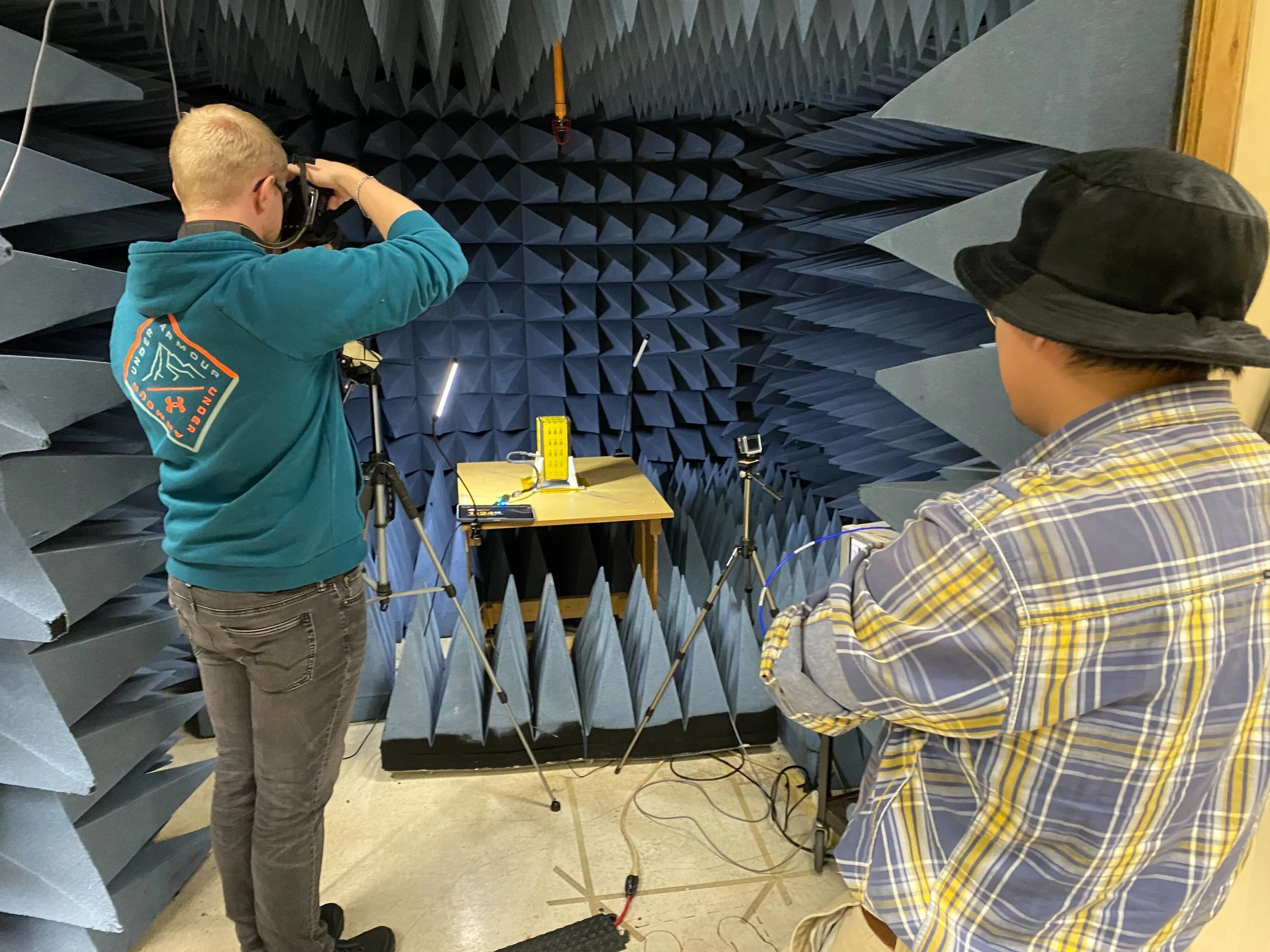
The communications module onboard the satellite was a novel low-power system prototyped for the NEUDOSE mission. This module had been in development by our basic and advanced amateur radio operators since early 2015. These amateurs developed, built, and tested the system from initial concepts to flight-ready hardware. The communications subsystem used state-of-the-art radio frequency (RF) components and system design approaches to enable a communication link with the satellite. The module utilized the amateur 2 m Very-High Frequency (VHF) and 70 cm Ultra-High Frequency (UHF) bands to establish uplinking and downlinking capabilities.
Ground Station Development
The NEUDOSE mission achieved a significant milestone with the development and commissioning of McMaster University’s first UHF and VHF ground station, enhancing communication capabilities with the CubeSat and facilitating real-time data transmission. The project was conceived in 2017, with engineering efforts ramping up in late 2020, supported by Telstorm Corporation, experts in antenna mounting for cellular applications. Over the following year, the team completed design work, secured city permits, and began construction, with the final installation of radio hardware expected to be completed in early March 2022.
The ground station features two Yagi-Uda antennas, designed to operate at Very High Frequency (VHF) and Ultra High Frequency (UHF). These directive antennas focus wireless energy in a specific direction, allowing them to track the satellite as it moves across the sky and ensuring effective signal capture for communication. Additionally, the ground station has been designed for a lifespan of up to 10 years, allowing it to support future missions beyond NEUDOSE and assist with other satellite communication needs.
Amateur Radio Operations
The NEUDOSE mission actively engaged in the development of qualified amateur radio operators and custom amateur radio hardware. The MIST team created an encouraging training environment for members to learn about the amateur community and achieve their amateur certificates. By doing this, students learned how to operate and control radios in accordance with national and international regulations, as well as how to remotely control a spacecraft from Earth service stations.